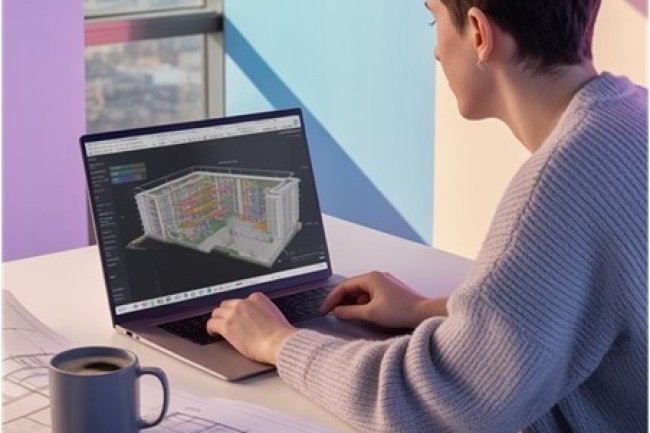
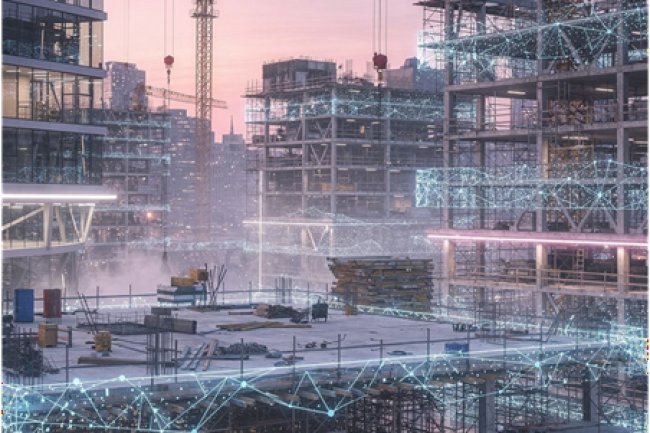
DIGITAL DESIGN EVOLUTION
The Genesis: When CAD Changed Everything
60s
1
The Rise of CAD
The journey began in the 1960s when computer-aided design first emerged, replacing hand-drawn blueprints with digital precision.
CAD
2
Digital Drafting Power
Early CAD systems like AutoCAD transformed drafting from tedious manual work into streamlined digital processes.
2D
3
Faster Iteration and Team Sharing
Architects and engineers could suddenly modify designs instantly, create multiple iterations, and share files across teams. CAD brought speed, flexibility, and digital control to the design process.
BIM
The Limitation of Early CAD
However, these early systems had limitations. They created flat, disconnected drawings that couldn't communicate with each other. A change in the floor plan didn't automatically update the elevation views, leading to coordination errors that plagued projects for decades.
DIGITAL DESIGN EVOLUTION
The 3D Revolution: Adding Depth to Design

3D
BIM
90s
Parametric Modeling Emerges
The 1990s brought the third dimension to digital design. Software like ArchiCAD and later Revit introduced parametric modeling, where building elements contained intelligence about their relationships to other components.
01
1
Parametric Intelligence
Objects contained data about materials, costs, and performance characteristics, turning simple geometry into intelligent building components.
02
2
Automatic Coordination
Changes in one view automatically updated all related drawings and schedules, reducing coordination errors across project documents.
03
Software could identify conflicts between architectural, structural, and MEP systems before construction began. A wall was no longer just a line — it had height, thickness, material properties, and intelligent connections to doors, windows, and structural elements.
BIM DATA EVOLUTION
The Information Explosion: BIM as Data Platform
DATA
BIM
2000s
From Design Tool to Project Intelligence
By the 2000s, BIM evolved beyond geometric modeling into comprehensive information management. Modern platforms became databases containing everything from procurement schedules to maintenance protocols. This shift transformed BIM from a design tool into a project intelligence system.
01
1
Rich Data Integration
Every building component contains detailed specifications, cost data, supplier information, and performance metrics that feed into project analytics and decision-making processes.
4D
4D
4D Scheduling
Time becomes the fourth dimension, allowing teams to visualize construction sequences, identify bottlenecks, and optimize resource allocation throughout the project timeline.
5D
COST
5D
5D Cost Management
Real-time cost tracking enables instant budget impact analysis for design changes, helping teams make informed decisions that balance quality with financial constraints.
INTEGRATED BIM ECOSYSTEM
Today's Integrated Ecosystem
BIM
DATA
✦
The Central Nervous System of Construction
Modern BIM platforms have become the central nervous system of construction projects. Companies like Consac leverage these integrated workflows to deliver precision engineering and seamless project coordination across architectural, structural, and digital solutions.
01
01
Design Integration
All disciplines work within connected models that automatically coordinate changes across systems.
02
02
Real-Time Collaboration
Cloud-based platforms enable instant sharing and synchronized updates across global project teams.
03
03
Automated Documentation
Drawings, schedules, and specifications generate automatically from the central model.
04
FM
04
Digital Handoff
Facility managers receive comprehensive digital assets for ongoing operations and maintenance.
BIM PROJECT IMPACT
The Impact: Measurable Benefits Across Projects
BIM
ROI
✓
Quantifiable Improvements in Project Outcomes
The evolution from 2D CAD to integrated BIM has delivered quantifiable improvements in project outcomes. Industry studies consistently show dramatic reductions in errors, faster delivery times, and improved collaboration when teams fully embrace BIM workflows.
75
75%
Error Reduction
Clash detection and coordination prevent costly field conflicts.
20
20%
Faster Delivery
Streamlined workflows accelerate project timelines.
30
30%
Cost Savings
Early problem identification reduces expensive rework.
85
TEAM
85%
Team Satisfaction
Improved coordination reduces stress and conflicts.
FUTURE OF BIM
The Future: Where BIM is Heading Next
AI
BIM
✦
Intelligent Buildings Powered by Connected Data
The next frontier combines BIM with artificial intelligence, IoT sensors, and digital twins to create truly intelligent buildings. These systems will predict maintenance needs, optimize energy consumption, and adapt to changing user requirements throughout the building's lifecycle.
01
AI
AI-Powered Design
Machine learning algorithms will suggest optimal designs based on performance data from thousands of similar projects.
02
IoT
Living Digital Twins
Real-time sensor data will continuously update building models, enabling predictive maintenance and performance optimization.
03
LIFE
3
Circular Construction
BIM will track material lifecycles, enabling efficient disassembly and reuse at end-of-life.
NEXT
BIM as the Foundation of Smarter Built Environments
As we look ahead, BIM continues evolving from a design tool into the foundation of intelligent, sustainable built environments that respond to human needs and environmental challenges.