Innovations in Light Gauge Steel Fastening Systems
Transforming efficiency and structural integrity in modern construction through advanced fastening technology
The Evolution of Light Gauge Steel Fastening
Light gauge steel framing has revolutionized the construction industry, offering superior strength-to-weight ratios and design flexibility. However, the true performance of these systems depends heavily on one critical element: fastening technology.
Traditional fastening methods often created inefficiencies, from installation delays to structural compromises. Today’s innovations are changing that narrative entirely, delivering faster assembly times, enhanced load transfer, and unprecedented reliability in steel framing applications.
Advanced fastening systems reduce installation time by up to 40%, allowing crews to complete framing faster without compromising quality or safety standards.
Engineered connection systems ensure optimal load distribution and enhance lateral resistance, critical for seismic zones and high-wind applications.
Reduced labor hours and minimized material waste translate directly to project savings, making light gauge steel increasingly competitive with traditional framing.
Why Fastening Systems Matter More Than Ever
01. Installation Speed
02. Structural Integrity
03. Cost Efficiency
Eliminate pre-drilling requirements with specialized drill points that penetrate steel efficiently, saving time and reducing tool changes on site.
Engineered with advanced metallurgy to handle increased shear and tension loads while maintaining ductility for seismic performance.
Mechanical joining without heat or additional materials creates permanent connections ideal for panelized construction and prefabrication.
Enable single-sided access installation in enclosed assemblies, expanding design possibilities for complex geometries and retrofit applications.
Game-Changing Fastening Technologies
Self-Drilling Fasteners
High-Strength Screws
Clinching Systems
Blind Fastening Solutions
Modern fastening systems enable light gauge steel to compete directly with wood framing in mid-rise construction. Self-drilling screws with optimized thread geometry provide reliable connections through multiple steel thicknesses while reducing the physical demands on installation crews.
Non-load-bearing partition systems benefit enormously from quick-connect fastening technologies. Projects have demonstrated up to 30% faster completion times when utilizing advanced track-to-stud connection methods paired with BIM coordination for precise fabrication.
Off-site fabrication demands consistent, high-quality connections. Automated fastening systems ensure repeatability while maintaining the structural performance required to withstand transportation and installation stresses.
Performance Advantages in Real-World Applications
01. Multi-Story Residential
02. Commercial Interiors
03. Prefabricated Panels
Integration with Digital Design Workflows
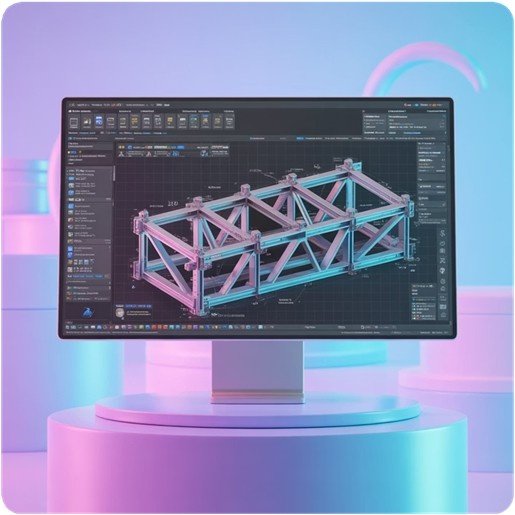
The true power of modern fastening systems emerges when integrated into digital coordination workflows. BIM models can now incorporate fastener specifications, installation sequences, and even torque requirements directly into the deliverables.
This level of detail enables fabricators to pre-drill or pre-punch components with precision, while field crews receive installation drawings that specify exact fastener types and quantities for each connection. The result: fewer RFIs, reduced material waste, and improved quality control throughout the construction process.
CAD-driven shop drawings can automatically generate fastener schedules, ensuring procurement teams order the correct quantities and specifications before fabrication begins.
Match fastener grade and coating to steel thickness and galvanization. Incompatible materials lead to premature corrosion and connection failure.
Consider tool availability, crew skill levels, and access constraints. The best fastener on paper may not be practical for your specific job site conditions.
Calculate shear and tension demands based on structural analysis. Over-fastening wastes resources while under-fastening compromises safety.
Verify ICC-ES reports and local approvals. Documentation requirements vary by jurisdiction and project type, particularly for seismic and wind zones.
Key Selection Criteria for Fastening Systems
Material Compatibility
Installation Method
Load Requirements
Code Compliance
Light gauge steel fastening technology continues to evolve, driven by demands for faster construction, enhanced performance, and sustainable building practices. The systems that succeed will be those that balance engineering excellence with practical installation realities.
Whether you're a project manager evaluating framing systems, an engineer specifying connections, or a contractor optimizing field productivity, understanding fastening innovations is essential. These technologies aren't just about joining steel members— they're about building better, faster, and smarter.
As the industry advances toward greater prefabrication, tighter tolerances, and digital integration, fastening systems will remain the critical link between design intent and built reality.
The Future is Connected
Moving Forward
What's Your Reaction?