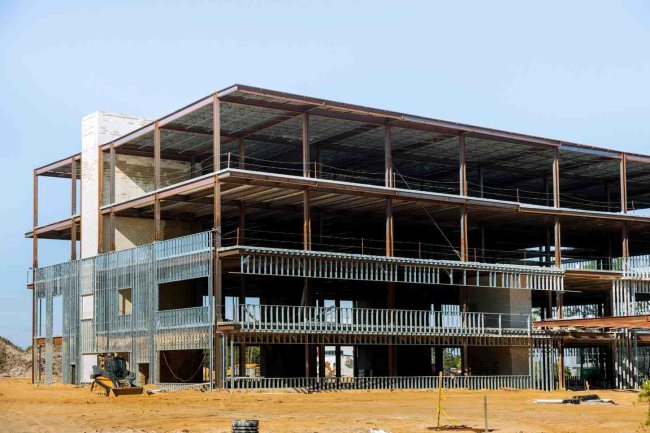
Best Practices for Openings in Light Gauge Steel Walls
Light gauge steel (LGS) framing has revolutionized modern construction with its strength, durability, and design flexibility. However, one critical aspect that demands careful attention is the proper design and execution of wall openings. Whether you are planning for doors, windows, or service penetrations, understanding best practices ensures structural integrity, code compliance, and long-term performance. This guide explores essential techniques and strategies that project managers, engineers, and construction professionals need to master when working with openings in light gauge steel wall systems.
Understanding Load Paths in LGS Wall Openings
Every opening in a light gauge steel wall disrupts the natural load path, requiring careful engineering to redistribute forces around the opening. The key is understanding how gravity loads, lateral forces, and wind pressures transfer through headers, king studs, and jack studs. Unlike wood framing, LGS members have unique connection requirements and load-bearing characteristics that must be addressed in your structural calculations.
Headers above openings must be properly sized based on span length, supported loads, and deflection criteria. The connection between headers and supporting studs becomes critical—typically requiring back-to-back members, structural tracks, or engineered header assemblies. Always verify that your design accounts for both gravity and lateral load transfer mechanisms.
Critical Components
- King studs (full-height members)
- Jack studs (trimmer studs)
- Headers or lintels
- Sills and cripple studs
- Proper fastening schedule
Selecting the right header configuration is fundamental to successful opening design in LGS walls. The header must span the opening while supporting loads from above including roof loads, floor loads, and the wall’s self-weight.
Determine tributary area, dead loads, live loads, and applicable load combinations per ASCE 7 standards. Also consider any concentrated loads from point supports or beam reactions.
Choose between built-up sections such as back-to-back studs or tracks, box headers, or proprietary header systems. Each option provides different span capabilities and connection requirements.
Ensure deflection limits meet code requirements—typically L/360 for brittle finishes or L/240 for standard applications. Excessive deflection can cause cracking in finishes.
Specify fastener type, spacing, and edge distances carefully. In light gauge steel construction, connection capacity often governs over member capacity, making precise detailing essential.
Header Design and Selection Strategies
1. Calculate Load Requirements
2. Select Member Configuration
3. Verify Deflection Criteria
4. Detail Connection Points
Framing Members Around Openings
The framing members surrounding an opening work together as a system. King studs extend full height from bottom track to top track, providing continuous load transfer. Jack studs, also called trimmer studs, support the header and must be sized for the concentrated reactions they receive. At the base of window openings, sills transfer loads to cripple studs below.
A common mistake is inadequate bearing length where headers rest on jack studs. Building codes typically require minimum bearing lengths of 1.5 to 3 inches depending on load magnitude. Additionally, the connection between jack studs and king studs needs proper fastener spacing — usually 24 inches on center with #8 screws, though high-load conditions may require closer spacing or structural clips.
Proper design and construction of light gauge steel systems must follow established industry standards and building codes to ensure structural integrity, safety, and regulatory compliance.
The American Iron and Steel Institute (AISI) provides the North American Specification for the Design of Cold-Formed Steel Structural Members (AISI S100). These standards define requirements for member capacity, connection design, and overall system performance in LGS construction.
The International Building Code (IBC) and International Residential Code (IRC) establish minimum requirements for structural performance, fire resistance, and life safety. Local jurisdiction amendments may introduce additional standards that must be considered during design and construction.
Steel stud manufacturers provide detailed load tables, span charts, and connection specifications for their products. Using these resources simplifies the design process while ensuring compatibility with tested and approved assemblies.
Industry Standards and Code Compliance
Reference AISI Standards
Follow Building Codes
Adhere to Manufacturer Guidelines
Begin with precise layout of opening locations per architectural plans. Verify dimensions account for frame, rough opening requirements, and finish materials. Small measurement errors compound during installation, affecting door and window fit.
Ensure king studs and jack studs remain plumb and properly aligned. Use temporary bracing during framing to maintain position until sheathing or permanent bracing is installed. Misalignment creates installation problems and stress concentrations.
Use correct fastener length to achieve proper thread engagement without overdriving. Self-drilling screws should penetrate both steel members with at least three threads extending beyond. Inspect connections for stripped threads or insufficient engagement.
Install king studs first, then headers or sills, followed by jack studs and cripple studs. This sequence ensures proper load transfer and simplifies alignment. Verify each component before proceeding to the next stage of assembly.
Practical Installation Considerations
Working with Consac's engineering teams over the years has revealed several recurring challenges in LGS wall opening design, along with effective solutions that improve both construction efficiency and structural performance.
Steel headers create direct thermal paths through insulated walls, potentially causing condensation and energy loss. Solution: Use thermal breaks, insulated header tracks, or exterior continuous insulation to interrupt the thermal bridge. Consider structural thermal breaks specifically designed for LGS applications.
Large openings like garage doors or storefront windows require substantial headers that may exceed standard stud capacity. Solution: Engineer specialized header assemblies using built-up sections, structural tubes, or steel beams. Coordinate with structural drawings early in design.
Headers can be subject to lateral-torsional buckling if not properly braced. Solution: Install lateral bridging or blocking at required intervals. Use sheathing or diaphragm action where applicable to provide continuous lateral support.
Undersized or improperly installed fasteners lead to connection failures before members reach capacity. Solution: Specify appropriate fastener types (self-drilling screws, structural screws, or bolts), verify edge distances, and ensure field installation matches engineered details.
Common Challenges and Proven Solutions
Thermal Bridging at Headers
Oversized Openings in Load-Bearing Walls
Inadequate Lateral Bracing
Connection Failures
Delivering Excellence in LGS Wall Opening Design
Mastering openings in light gauge steel walls requires balancing structural engineering principles with practical construction methods. By following these best practices — from understanding load paths and selecting appropriate headers to ensuring code compliance and quality installation — you create wall systems that perform reliably throughout the building's lifecycle. The key takeaways include thorough load analysis, proper member sizing and connection design, adherence to industry standards, and attention to installation details.
Whether you are detailing a single door opening or coordinating complex storefront systems, these principles provide a foundation for successful execution. As LGS construction continues to grow in popularity, investing time in proper opening design pays dividends in structural performance, construction efficiency, and long-term durability. The precision and flexibility of light gauge steel framing, when properly engineered and installed, offers unlimited potential for creating safe, efficient, and architecturally striking built environments.
What's Your Reaction?