How Digital Detailing Tools Are Transforming the Steel Construction Industry
The steel construction industry is experiencing a seismic shift. Traditional methods that once dominated the field are giving way to sophisticated digital detailing tools that are reshaping how projects are designed, coordinated, and executed. For professionals navigating this transformation, understanding these technologies isn't just beneficial4it's becoming essential to staying competitive in an evolving marketplace.
The Evolution from Paper to Pixels
Traditional Drafting Era
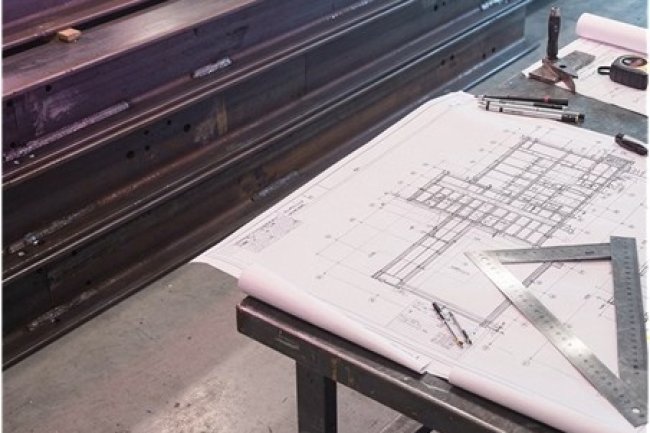
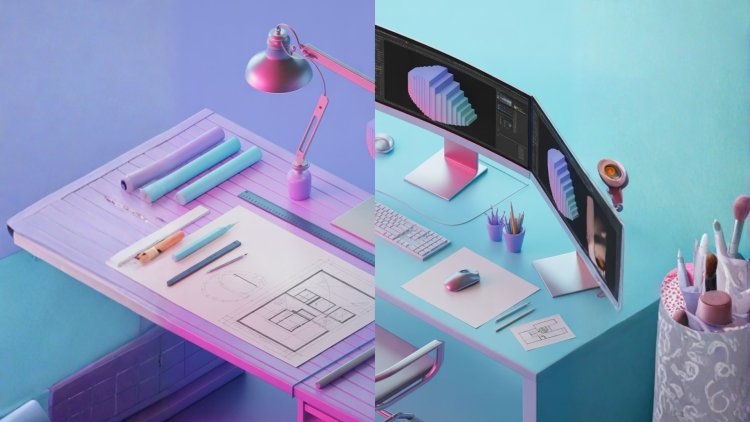
Steel detailers once spent countless hours creating drawings by hand. Every revision required manual updates across multiple sheets, making the process slow, labor-intensive, and highly susceptible to coordination errors.
Intelligent 3D Modeling
Modern detailing software creates data-rich 3D models where every beam, column, and connection contains embedded information about dimensions, materials, fabrication requirements, and project specifications.
Automated Change Management
When design changes occur, updates automatically propagate throughout the model and drawing set. This dramatically reduces rework, improves accuracy, and minimizes costly field conflicts during construction.
From Static Drawings to Connected Intelligence
The shift from paper-based detailing to intelligent digital workflows has transformed steel construction. Instead of disconnected drawings, project teams now work from a centralized model that improves coordination, accelerates revisions, reduces fabrication errors, and supports more predictable project delivery from design through erection.
Platforms like Tekla, RISA, and AutoCAD enable intelligent parametric modeling where every structural element understands its relationships and updates automatically as design conditions evolve.
BIM connects structural steel detailing with architectural and MEP systems, enabling real-time clash detection and coordination that eliminates costly on-site conflicts before construction begins.
Cloud-based platforms enable global teams to collaborate in real time, allowing engineers, detailers, and fabricators across time zones to review, mark up, and update models instantly.
The convergence of 3D modeling, BIM integration, and cloud collaboration is fundamentally reshaping how steel projects are designed and delivered. Together, these technologies reduce coordination errors, compress schedules, and create a continuous digital workflow from design to fabrication.
Key Technologies Driving the Transformation
3D Modeling Software
BIM Integration
Cloud Collaboration
Connected Tools, Faster Projects
Tasks that once required weeks—such as shop drawing creation, clash detection, and quantity takeoffs—are now completed in days through automated digital workflows.
Digital detailing eliminates transcription errors by maintaining a single source of truth. Any change automatically updates all drawings, schedules, and fabrication data in real time.
Real-time quantity tracking and precise digital modeling reduce material waste, eliminate guesswork, and minimize costly change orders and emergency procurement.
Measurable Benefits Transforming Project Outcomes
Time Efficiency Gains
Enhanced Accuracy
Predictable Cost Control
Real-World Impact: From Design to Fabrication
Design Phase Advantages
• Instant visual feedback on complex geometries and spatial relationships
• Automated code checking against industry standards
• Seamless coordination with architectural and MEP disciplines
• Early identification of constructability issuesFabrication Benefits
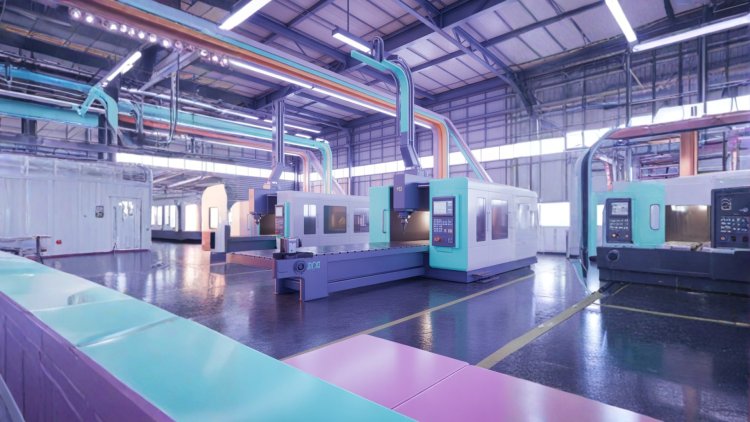
• CNC machine integration for precision cutting and drilling
• Automated material optimization reducing waste by 15–20%
• Digital part tracking throughout the shop floor
• Quality control checkpoints built into the workflow
Transitioning to digital tools requires structured training programs to build real proficiency—not just software access.
Implement phased workflows that connect new software with legacy systems while maintaining project continuity.
Build internal expertise and partner with vendors to ensure fast troubleshooting and smooth adoption.
Track performance metrics like production time and error rates to refine workflows and prove ROI.
Overcoming Implementation Challenges
Invest in Team Training
Plan System Integration
Establish Support Infrastructure
Measure and Optimize
Artificial intelligence is automating routine detailing tasks while machine learning suggests optimal connection designs based on thousands of past projects.
AR bridges digital models and physical sites, allowing field teams to visualize exact placement and reduce installation errors.
Generative algorithms evaluate thousands of structural alternatives simultaneously, optimizing weight, cost, carbon footprint, and constructability.
The Future of Steel Detailing
AI-Driven Detailing Automation
Augmented Reality in Construction
Generative Design Optimization
Evaluate your current workflows and identify pain points where digital tools can deliver the greatest impact. Establishing a clear baseline helps prioritize improvements effectively.
Begin with a single project to test new tools and workflows. Learn, document results, and refine your approach before scaling across the organization.
Invest in skills, stay updated with emerging technologies, and build a culture that treats innovation as opportunity rather than disruption.
Digital detailing tools aren’t just changing how we work—they’re expanding what’s possible in steel construction. The question isn’t whether to adopt them, but how quickly you can leverage them as a strategic advantage.
Taking the Next Step Forward
Assess Your Current State
Start with a Pilot Project
Build Your Digital Competency
What's Your Reaction?