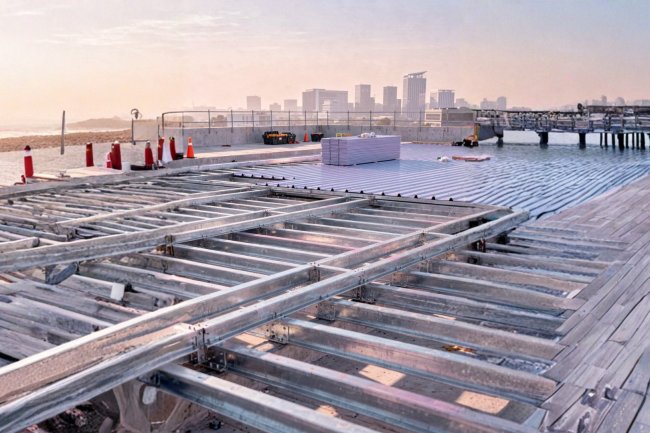
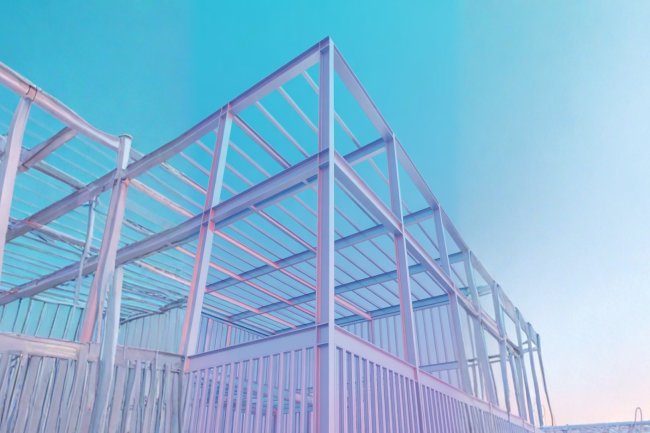
Coordinating Joist and Deck Layouts in BIM Models
Proper coordination of joist and deck layouts is fundamental to successful steel construction projects. When these elements align seamlessly in your BIM model, the result is faster fabrication, smoother installation, and fewer costly field conflicts.
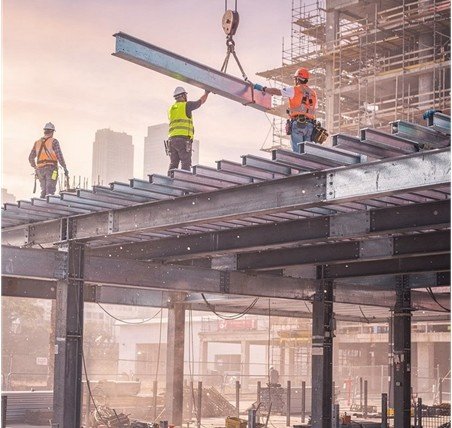
Why Joist-Deck Coordination Matters
The Impact of Misalignment
Misaligned joist and deck layouts create cascading problems throughout construction. Field crews waste time cutting and retrofitting materials, project schedules slip, and material waste increases significantly. These issues often stem from inadequate coordination during the design phase.
The BIM Advantage
Building Information Modeling transforms this challenge into an opportunity. By coordinating joist and deck layouts digitally before fabrication begins, teams can identify conflicts early, optimize material usage, and ensure components arrive on-site ready for efficient installation.
Essential Coordination Principles
Establish Grid Systems Early
Begin with a clear structural grid that defines joist spacing and deck panel dimensions. This foundation ensures all subsequent decisions align with fabrication standards and installation requirements.
Align Panel Seams with Supports
Deck panel seams must land on joist centerlines or supporting members. This fundamental rule prevents unsupported edges, ensures proper load transfer, and maintains structural integrity throughout the floor system.
Account for Openings and Penetrations
Coordinate joist framing around mechanical penetrations, stairs, and elevators early in the design process. This proactive approach minimizes the need for costly field modifications and ensures adequate support around all openings.
Step-by-Step BIM Coordination Workflow
Model the Structural Grid
Start by establishing your column grid and primary beam layout. This creates the framework within which joists and decking will be coordinated. Verify grid dimensions match architectural plans and ensure consistency across all disciplines.
Model Deck Panels
Add deck panels to your model, ensuring seams align with joist locations. Model panels at actual thickness with proper profile specifications. This level of detail helps identify clearance issues with MEP systems above.
Place Joist Members
Position joists according to structural calculations and span tables. Maintain consistent spacing that accommodates standard deck panel widths. Tag each joist with appropriate designations for fabrication and shop drawing purposes.
Run Clash Detection
Execute comprehensive clash detection between structural, architectural, and MEP models. Focus on conflicts between deck elevation and ductwork, piping, or electrical conduits. Resolve issues through coordination before shop drawings begin.
Generate Documentation
Extract joist schedules, deck layouts, and coordination drawings directly from the coordinated model. These documents should clearly communicate joist designations, spacing, deck panel layout, and any special conditions to fabricators and installers.
Common Coordination Challenges and Solutions
Non-Standard Joist Spacing
When architectural constraints force irregular joist spacing, coordinate custom deck panel cuts early with suppliers. Model these conditions explicitly in BIM to communicate requirements clearly. Consider using closer joist spacing in problem areas to maintain standard panel dimensions.
MEP Conflicts at Deck Level
Ductwork and large pipes frequently conflict with deck elevation. Work with MEP coordinators to adjust routing or provide structural framing modifications. Sometimes lowering specific joists or creating recessed deck areas offers the best solution while maintaining coordination.
Sloped or Tapered Conditions
Roofs and ramps with sloped decking require careful attention to joist top-of-steel elevations. Model these transitions accurately in BIM, ensuring each joist elevation is clearly documented. Coordinate slope direction with deck panel orientation for optimal performance.
Leveraging Professional Expertise
| Successfully coordinating joist and deck layouts requires specialized knowledge of structural systems, fabrication constraints, and BIM capabilities. Companies like Consac bring deep experience in architectural, engineering, and digital solutions that streamline this complex coordination process. Professional BIM teams understand the nuances of joist designations, deck profiles, and how these elements interact with other building systems. They ensure your model reflects constructible solutions that translate smoothly from design through fabrication to field installation. |
|
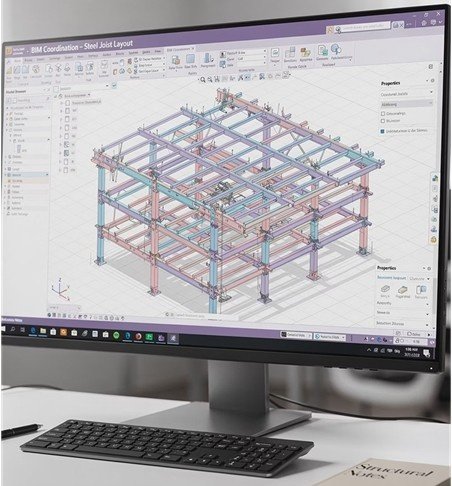
Maximizing Coordination Efficiency
Start Early
Begin joist-deck coordination during schematic design, not after structural drawings are complete. Early coordination prevents rework and allows time to optimize layouts before commitments are made.
Maintain Model Standards
Establish clear BIM standards for how joists and decking are modeled, tagged, and documented. Consistency across the team improves communication and reduces errors in shop drawings and fabrication.
Validate Against Standards
Regularly check your coordinated layouts against applicable building codes and industry standards. Ensure joist spacing, deck gauge, and support conditions meet or exceed all structural and fire rating requirements.
Facilitate Regular Coordination Meetings
Schedule weekly BIM coordination sessions with all trades. Use these meetings to review model updates, resolve conflicts, and ensure everyone understands the latest joist and deck arrangements.
Version Control Matters
Implement robust version control for your BIM models. Track changes to joist layouts and deck configurations carefully, ensuring all team members work from current, coordinated information throughout the project.
Plan for Constructibility
Think beyond the model to actual field installation. Consider erection sequences, crane access, and temporary bracing requirements when coordinating joist and deck layouts. A coordinated model should support efficient construction.
Building Success Through Coordination
Coordinating joist and deck layouts in BIM models transforms potential construction headaches into streamlined execution. When structural elements align properly in the digital environment, fabrication proceeds smoothly, installation crews work efficiently, and projects stay on schedule and budget.
Ready to Optimize Your Next Project?
The investment in thorough BIM coordination pays dividends throughout the construction process. Field conflicts decrease, material waste drops, and the entire project team operates with greater confidence. By applying these principles and workflows, you set your steel construction projects up for success from the first beam to the final deck panel.
Effective joist-deck coordination requires the right combination of technical expertise, BIM capabilities, and construction knowledge. Professional coordination services can help you achieve optimal results while avoiding common pitfalls.
What's Your Reaction?