The Art of Sheet Metal: Exploring Sculptural and Functional Designs in Urban U.S. Architecture
From towering skyscrapers to intimate cultural spaces, sheet metal has evolved from a purely functional material to a sculptural medium that defines America’s urban landscape. This versatile material combines engineering precision with artistic vision, creating structures that are both beautiful and built to last.
The Evolution of Sheet Metal in Modern Architecture
|
Historical Foundation The transformation accelerated in the mid-20th century as architects began experimenting with metal's sculptural possibilities. What started as purely utilitarian applications evolved into sophisticated design elements that blur the line between art and engineering. |
|
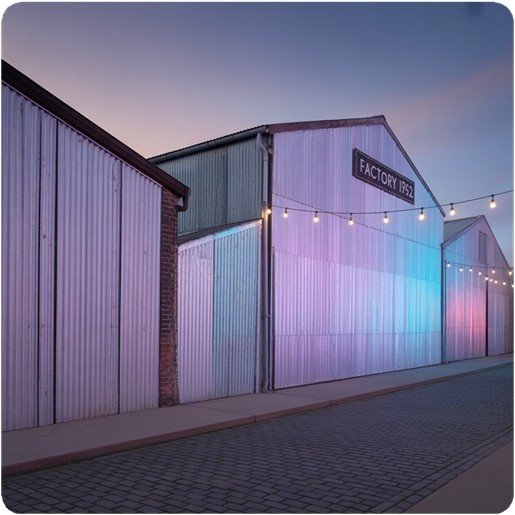
Sheet metal can be bent, rolled, and shaped into virtually any geometric form. This flexibility allows architects to create flowing curves, sharp angles, and complex three-dimensional surfaces that would be impossible with traditional building materials.
When properly treated and installed, sheet metal systems can withstand decades of weather exposure while maintaining their aesthetic appeal. This longevity makes them cost-effective choices for both functional and decorative applications.
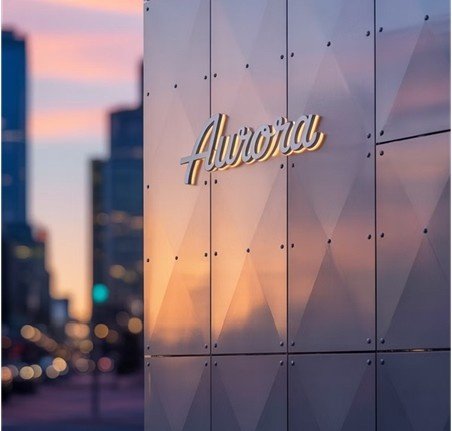
Modern finishing techniques allow sheet metal to mimic other materials or create entirely unique textures. From mirror-like reflective surfaces to weathered patinas, the visual possibilities are virtually unlimited.
Material Properties That Enable Artistic Expression
Formability
Durability
Surface Versatility
Iconic Examples Across America's Urban Centers
Walt Disney Concert Hall
Frank Gehry's masterpiece in Los Angeles showcases how stainless steel can create fluid, organic forms that seem to dance with light throughout the day. The building's sculptural exterior demonstrates sheet metal's potential as a medium for artistic expression.
Contemporary Museums
Following Bilbao's success, American museums have embraced sculptural metal facades. These buildings prove that sheet metal can create emotionally resonant spaces that enhance the visitor experience while providing practical weather protection.
Commercial Innovation
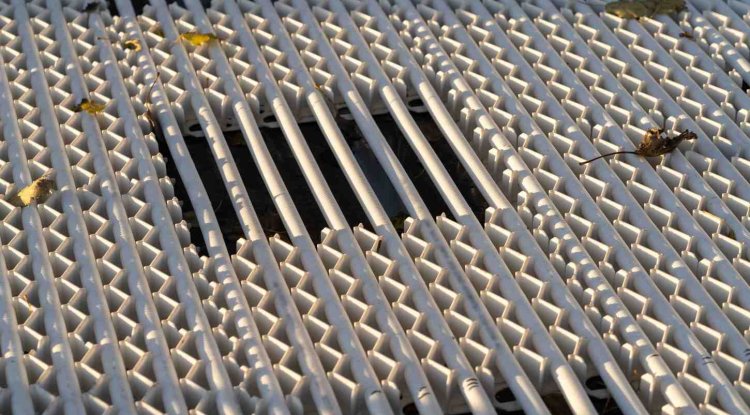
Office buildings and retail spaces increasingly use perforated and formed metal screens. These systems provide solar control, privacy, and visual interest while reducing energy consumption through strategic shading and ventilation.
Technical Considerations for Project Success
01
Design Integration
Successful sheet metal applications require early collaboration between architects, structural engineers, and fabricators. This coordination ensures that sculptural ambitions align with structural requirements and budget constraints.
02
Material Selection
Choose alloys based on environmental conditions, desired appearance, and maintenance requirements. Aluminum offers lightweight versatility, while stainless steel provides superior durability in harsh climates.
03
Fabrication Planning
Complex geometries require precise digital modeling and specialized forming equipment. Companies like Consac use advanced CAD and BIM technologies to ensure seamless translation from design concept to physical reality.
04
Installation Methodology
Develop detailed sequencing plans that account for material handling, weather protection, and quality control. Proper installation is essential for achieving both aesthetic goals and long-term performance.
Sustainability and Performance Benefits
|
|
Environmental AdvantagesSheet metal systems contribute to sustainable building practices through recyclability, energy efficiency, and longevity. Most architectural metals can be recycled indefinitely without losing their properties, making them excellent choices for environmentally conscious projects. Advanced forming techniques allow for optimized material usage, reducing waste during fabrication. Additionally, reflective metal surfaces can significantly reduce cooling loads in warm climates, contributing to overall building energy performance. Economic ValueWhile initial costs may exceed traditional materials, sheet metal's durability and low maintenance requirements provide excellent long-term value. The material's ability to serve both structural and aesthetic functions can also reduce overall system complexity and cost. |
Walt Disney Concert Hall
Frank Gehry's masterpiece in Los Angeles showcases how stainless steel can create fluid, organic forms that change with the light throughout the day.
Contemporary Museums
Following Bilbao’s global influence, American museums have embraced sculptural metal façades, enhancing visitor experiences while providing practical protection.
Commercial Innovation
Retail and office buildings now use perforated and formed metal screens for shading, privacy, and architectural aesthetic enhancement.
What's Your Reaction?