How Robotics Is Transforming Custom Sheet Metal Fabrication
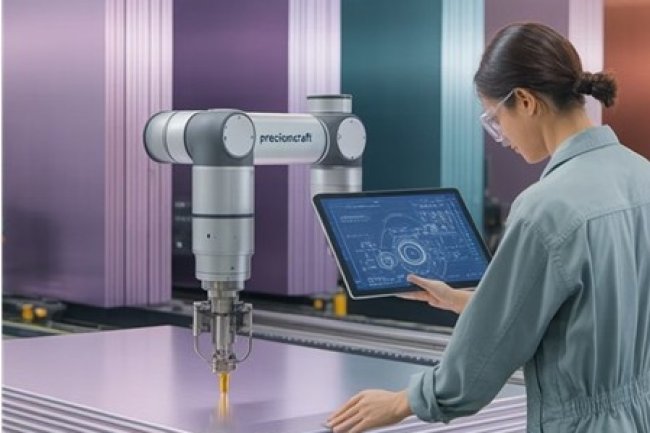
The U.S. manufacturing landscape is experiencing a revolutionary shift as robotics technology reshapes custom sheet metal fabrication. From precision cutting to complex forming operations, automated systems are enabling manufacturers to achieve unprecedented levels of accuracy, speed, and consistency while reducing costs and improving worker safety.
The Current State of Sheet Metal Fabrication
|
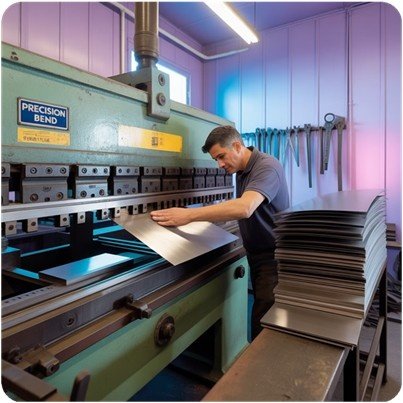
Traditional sheet metal fabrication has long relied on skilled craftspeople operating manual machinery. While expertise remains valuable, manufacturers face mounting pressure to increase production speed, maintain consistent quality, and compete in an increasingly global marketplace. Legacy processes often involve multiple manual steps: measuring, marking, cutting, bending, and welding. Each transition creates opportunities for human error and quality variations that can impact final products and delivery timelines. |
|
Robotic Technologies Leading the Revolution
Laser Cutting Systems
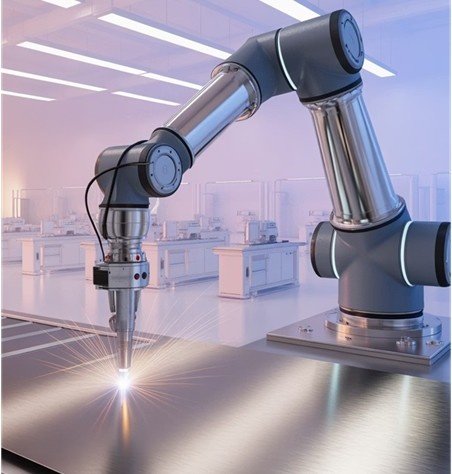
Computer-controlled laser cutters deliver micron-level precision while handling complex geometries and intricate patterns impossible with manual methods.
Automated Forming
Robotic press brakes and forming systems ensure consistent bend angles and repeatability across thousands of identical parts.
Robotic Welding
Automated welding cells produce superior joint quality with reduced heat distortion and perfect penetration control.
Measurable Impact on Manufacturing Performance
85%
Faster Production
Robotic systems operate continuously with minimal downtime, dramatically increasing throughput compared to manual operations.
92%
Quality Improvement
Automated processes eliminate human variability, resulting in consistent part dimensions and superior surface finishes.
40%
Cost Reduction
Lower labor costs, reduced material waste, and fewer quality issues contribute to significant operational savings.
Integration Challenges and Solutions
Workforce Development
Training existing employees to operate and maintain robotic systems requires structured programs and ongoing education. Companies invest in upskilling to bridge the technology gap.
System Integration
Connecting robotic equipment with existing CAD/CAM software and production planning systems. Companies like Consac provide engineering support to ensure seamless workflow integration.
Quality Assurance
Implementing automated inspection systems and real-time monitoring to maintain quality standards while maximizing production efficiency.
What's Your Reaction?