Climate's Impact on Light Gauge Steel Performance
Regional climate considerations are critical for ensuring the longevity and structural integrity of light gauge steel framing systems. Understanding how temperature, humidity, and environmental factors affect steel performance enables better design decisions and material specifications across diverse project locations.
Temperature Extremes and Steel Behavior
Cold Climate Challenges
In regions experiencing sustained freezing temperatures, light gauge steel maintains its structural integrity better than many alternatives. However, thermal bridging becomes a critical concern as steel's high conductivity can create energy inefficiencies.
- Condensation risk at connection points
- Increased thermal insulation requirements
- Brittleness considerations below -40°F
Hot Climate Considerations
High-temperature environments present different challenges for steel framing systems. Thermal expansion, UV exposure, and heat transfer all impact system performance and require strategic planning.
- Expansion joint placement becomes critical
- Coating degradation accelerates
- Heat transfer affects interior comfort
Moisture and Corrosion Management
Coastal Environments
Salt-laden air accelerates corrosion in coastal regions. G90 galvanization is the minimum standard, with G115 or higher recommended for structures within 3 miles of saltwater. Regular inspection protocols are essential.
High Precipitation Zones
Areas with annual rainfall exceeding 50 inches require enhanced moisture barriers and drainage design. Proper detailing at envelope penetrations prevents water intrusion that compromises steel integrity over time.
Arid Climates
Dry environments minimize corrosion risk but introduce challenges with UV degradation of protective coatings and dramatic temperature swings. Material selection must account for daily thermal cycling.
Regional Design Adaptations
Successful light gauge steel projects require climate-specific design modifications. Engineers and architects must collaborate early to integrate these regional considerations into project specifications and detailing standards.
|
Northern climate strategies emphasize thermal break design and vapor barrier placement to prevent condensation within wall assemblies. Structural members require careful analysis for brittle fracture potential in extreme cold. Southern approaches focus on thermal expansion accommodation and reflective coating systems to minimize heat gain. Ventilation design becomes critical for managing heat buildup in enclosed spaces. Companies like Consac integrate these climate considerations into their engineering and BIM workflows, ensuring that digital models reflect real-world performance requirements from day one. |
|
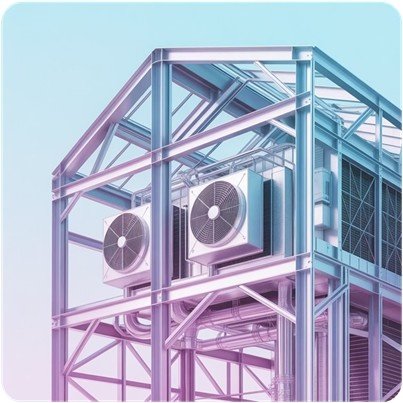
Galvanization Standards Across Climate Zones
The zinc coating thickness directly correlates with corrosion resistance and expected service life. Understanding which galvanization level suits your climate zone is fundamental to specification success.
G40 Coating
Minimum protection suitable only for interior applications in controlled environments. Not recommended for structural framing or any exterior exposure.
G60 Standard
Basic protection for interior non-load-bearing applications. Limited exterior use in very dry climates with proper secondary protection systems.
G90 Specification
Industry standard for most structural applications. Provides adequate protection in moderate climates with proper design and detailing practices.
G115+ Premium
Enhanced protection for aggressive environments including coastal, industrial, or high-humidity zones. Extended service life justifies higher initial investment.
Practical Specification Strategies
Conduct Climate Analysis
Review historical weather data, temperature ranges, humidity levels, and precipitation patterns for the project location. Identify the most challenging environmental factors.
Select Appropriate Materials
Match galvanization levels, steel grades, and protective coatings to the identified climate stressors. Balance performance requirements with project budget constraints.
Design Protective Details
Develop connection details, flashing systems, and drainage strategies that prevent moisture intrusion and manage thermal movement throughout the structure's lifecycle.
Specify Quality Control
Establish inspection protocols for material receipt, installation practices, and coating integrity. Document compliance with project specifications and industry standards.
Plan Maintenance Programs
Create schedule for periodic inspections and preventive maintenance activities. Early detection of coating degradation or corrosion enables cost-effective intervention.
Building for Climate Resilience
Light gauge steel framing offers exceptional performance across diverse climate zones when properly specified and detailed. Success requires understanding regional environmental factors, selecting appropriate protection levels, and implementing climate-responsive design strategies.
Key Takeaway
Climate analysis should inform material specifications from project inception, not as an afterthought during construction documentation.
Action Step
Integrate climate data into your BIM workflows to automate specification compliance and detail generation for regional requirements.
Best Practice
Establish project-specific inspection and maintenance protocols based on climate exposure levels and expected service life goals.
What's Your Reaction?