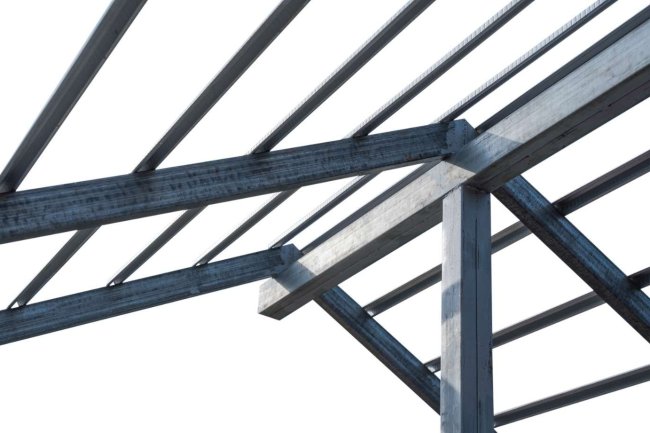
Integration of IoT Sensors in Light Gauge Steel Construction
The future of construction is here—and it’s connected. IoT (Internet of Things) sensors are transforming how light gauge steel structures are built, monitored, and maintained, delivering unprecedented intelligence at every stage of the construction lifecycle.

Why IoT Sensors Matter in Light Gauge Steel
Real-Time Monitoring
IoT sensors embedded within light gauge steel frameworks provide continuous data on structural integrity, temperature fluctuations, and environmental conditions. This real-time intelligence allows project teams to identify potential issues before they become costly problems, ensuring quality control throughout construction and beyond.
Predictive Maintenance
Smart sensors track stress points, corrosion indicators, and load distribution across steel members. By analyzing this data, facility managers can predict maintenance needs months in advance, reducing unexpected failures and extending the lifespan of light gauge steel structures significantly.
Energy Efficiency
Integrated sensors monitor thermal performance and detect air leakage in real time. This data helps optimize HVAC systems and insulation effectiveness, reducing energy consumption by up to 30% compared to traditional monitoring methods in light gauge steel buildings.
Key IoT Applications in Light Gauge Steel Projects
Thermal Sensors
Monitor temperature gradients across steel members to detect thermal bridging and optimize insulation placement during construction and operation.
Structural Vibration Monitors
Track building movement, wind loads, and seismic activity to ensure the light gauge steel frame performs within design specifications under dynamic conditions.
Moisture Detection
Identify water infiltration early to prevent corrosion in steel members and protect building envelope integrity before damage occurs.
Load Sensors
Measure actual versus design loads on critical steel components, validating engineering calculations and ensuring safety compliance throughout the structure's life.
Work with companies like Consac to embed sensor placement directly into BIM models during the detailing phase. This ensures optimal sensor locations that don't compromise structural integrity while providing maximum data coverage.
Install sensors during the light gauge steel fabrication process. Factory installation ensures proper protection, calibration, and testing before components arrive on site.
Connect field-installed sensors to the building's network infrastructure. Coordinate with electrical and IT teams to ensure seamless data transmission and power supply to all monitoring points.
Calibrate all sensors, verify data accuracy, and establish baseline readings. Train facility management teams on dashboard interpretation and alert response protocols for ongoing operations.
The Installation Process: From Design to Deployment
Design Integration
Pre-Fabrication Embedding
On-Site Integration
System Commissioning
Overcoming Implementation Challenges
While IoT integration offers significant benefits for light gauge steel construction, successful adoption requires addressing several common barriers. Understanding these challenges—and implementing strategic solutions—helps ensure smooth deployment and long-term value.
Common Obstacles
-
Initial Cost Concerns — Sensor networks and data platforms require upfront investment, which some stakeholders may hesitate to approve.
-
Data Management — Continuous monitoring generates large volumes of data that demand secure storage and powerful analytics tools.
-
Integration Complexity — Connecting sensors to existing building management and automation systems can add technical challenges.
-
Skill Gaps — Project teams may lack the expertise needed to interpret sensor outputs and translate them into actionable insights.
Practical Solutions
-
ROI Documentation — Present long-term cost savings and operational benefits to support budget approvals, including realistic payback timelines.
-
Scalable Systems — Begin with high-priority monitoring zones or structural elements and expand coverage as value is demonstrated.
-
Turnkey Platforms — Select integrated sensor and software packages that simplify data collection, analysis, and visualization.
-
Training Programs — Provide hands-on training and onboarding workshops to ensure teams can interpret IoT data and utilize insights effectively.
Machine learning algorithms will predict structural behavior patterns with increasing accuracy, enabling autonomous building management systems that self-optimize performance.
Ultra-fast networks will enable real-time data transmission from thousands of sensors simultaneously, supporting more comprehensive monitoring of light gauge steel structures.
Live sensor data will feed directly into BIM models, creating dynamic digital twins that reflect actual building conditions and enable virtual testing of modifications before implementation.
Future Trends in Smart Steel Construction
AI-Powered Analytics
5G Connectivity
Digital Twin Integration
What's Your Reaction?