Sustainability Benefits of Light Gauge Steel Construction
Light gauge steel (LGS) supports sustainable construction through reduced material waste, high recyclability, and superior energy performance. This method minimizes environmental impact while maintaining structural integrity and design flexibility, making it a preferred choice for environmentally conscious projects across the United States.
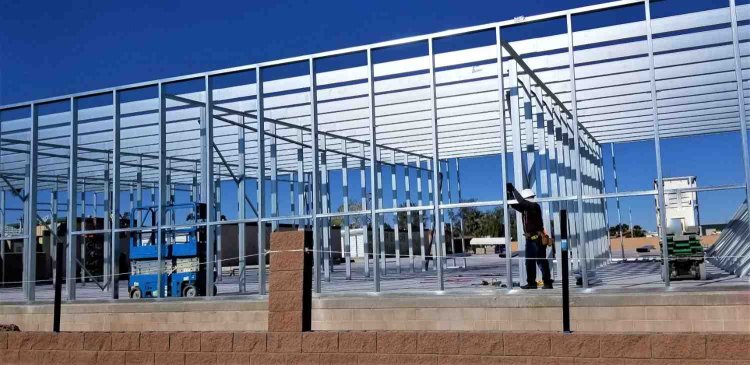
Why Light Gauge Steel Matters for Sustainable Building
|
The construction industry contributes nearly 40% of global carbon emissions, making material selection crucial. Light gauge steel (LGS) framing provides a structurally strong and sustainable alternative to traditional methods. Precision-engineered LGS components minimize jobsite waste, shorten construction timelines, and support long-term building performance, offering measurable environmental benefits without compromising quality or reliability. |
|

Core Environmental Advantages
Recyclability
Steel is 100% recyclable without quality loss. Light gauge steel typically contains 25-90% recycled content and can be recycled indefinitely at end-of-life.
Reduced Waste
Prefabricated components minimize on-site cutting and scrap. Construction waste drops by up to 60% compared to traditional wood framing methods.
Forest Conservation
Steel framing eliminates demand for lumber, protecting forests and reducing deforestation impacts while maintaining structural performance.
Lower Embodied Carbon
Modern steel production methods have significantly reduced carbon intensity. Optimized designs use less material while maintaining strength requirements.
Energy Performance and Building Efficiency
Light gauge steel framing creates opportunities for superior thermal performance when properly detailed. The material's dimensional stability allows for consistent insulation installation without gaps or compression, a common issue with lumber that warps or shrinks over time.
Continuous Insulation
Steel's strength allows for exterior insulation layers that eliminate thermal bridging.
Airtight Construction
Precision-manufactured components create tighter building envelopes with minimal air infiltration.
Long-Term Performance
Steel maintains its shape and doesn't degrade, ensuring insulation effectiveness over decades.
These characteristics translate to lower heating and cooling costs throughout the building's operational life, often the largest component of a structure's total environmental impact.
Durability and Lifecycle Benefits
Construction Phase
Prefabricated components arrive ready for assembly. Reduced on-site labor and faster installation lower construction emissions and project duration.
Operational Life (50+ Years)
Steel doesn't rot, warp, or attract pests. No chemical treatments required. Maintains structural integrity without replacement, reducing maintenance materials and labor.
Adaptation & Renovation
Steel's strength supports future modifications without major structural work. Buildings can be adapted to new uses without demolition, extending useful life.
End of Life
Complete recyclability means materials return to manufacturing stream. No landfill burden. Steel maintains value as scrap, creating economic incentive for recovery.
Practical Implementation for Your Next Project
Early Design Integration
Engage structural engineers familiar with light gauge steel during schematic design. This ensures the system is optimized for your project's specific sustainability goals and performance requirements.
Specify Recycled Content
Request documentation of recycled steel content in project specifications. Many manufacturers provide Environmental Product Declarations (EPDs) that quantify environmental impacts.
Leverage Digital Tools
Use BIM coordination to minimize field conflicts and material waste. Detailed shop drawings enable prefabrication accuracy and reduce on-site adjustments.
Plan for Deconstruction
Design connections that allow for future disassembly. Bolted connections instead of welds make components recoverable for reuse or recycling at building end-of-life.
Building a More Sustainable Future
Light gauge steel construction represents a proven path toward reducing the environmental impact of the built environment. Its combination of material efficiency, recyclability, durability, and energy performance addresses multiple sustainability priorities simultaneously.
For project teams committed to measurable environmental outcomes, light gauge steel offers quantifiable benefits backed by decades of field performance. The technology continues to advance, with innovations in manufacturing, coatings, and design software further improving its sustainability profile.
The question isn't whether light gauge steel can contribute to sustainable construction—it's how quickly the industry can scale its adoption to meet climate goals.
What's Your Reaction?