Self-Healing Sheet Metal: The Future of Smart Building Materials
Imagine building materials that can repair minor damage automatically, extending their lifespan and reducing maintenance costs. Self-healing sheet metal represents a revolutionary leap in construction technology, promising to transform how we approach durability and sustainability in American buildings. This innovative material could reshape everything from commercial facades to industrial roofing systems.

What Is Self-Healing Sheet Metal?
|
The Science Behind It The healing process can be triggered by heat, moisture, or mechanical stress, making it practical for real-world building applications where environmental conditions naturally change. Advanced materials engineering allows the metal to detect and respond to damage at the molecular level, creating a system that can repair itself without human intervention. |
|
Game-Changing Applications in U.S. Construction
Commercial Facades
Reduce weather-related maintenance on high-rise buildings by up to 60%. Self-healing panels can address minor impacts from hail, debris, or thermal expansion automatically.
Industrial Roofing
Manufacturing facilities and warehouses benefit from roofing that repairs small punctures and prevents leak propagation, critical for protecting inventory and equipment.
Infrastructure Components
Bridges, overpasses, and transportation infrastructure can self-repair minor stress fractures, extending service life and improving public safety.
The Business Case: Cost Savings That Matter
Typical reduction in routine maintenance costs over a 20-year building lifecycle.
Additional years of service life compared to conventional sheet metal systems.
Potential savings on a 500,000 sq ft commercial building over 25 years.
Early adopters are seeing significant returns on investment, particularly in harsh climate zones where traditional materials face accelerated wear. The technology pays for itself through reduced inspection schedules, fewer emergency repairs, and extended replacement cycles.
Engineering Considerations and Design Integration
|
|
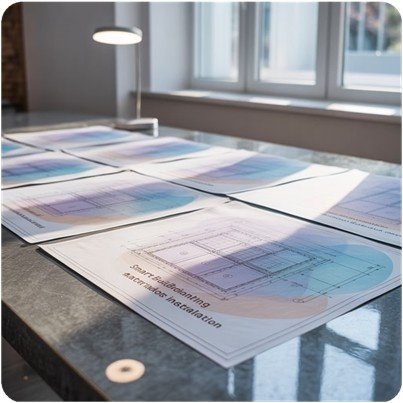
Technical Requirements Design teams also need to evaluate activation temperatures, healing cycle durations, and environmental triggers when selecting these materials. Companies like Consac are developing integration methods that help streamline the workflow from design to construction for advanced materials. |
What's Your Reaction?