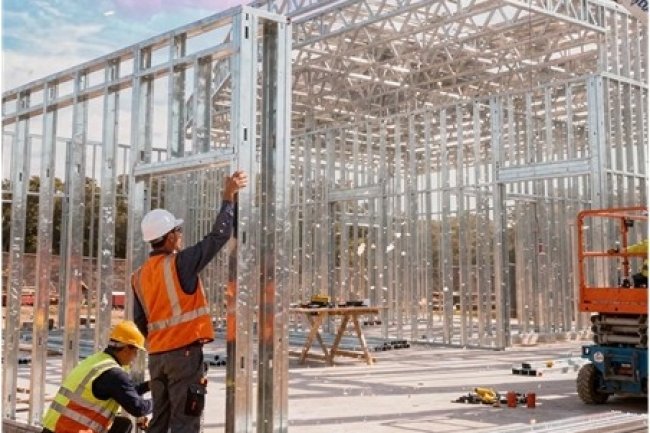
Comparative Analysis of Light Gauge Steel Manufacturers
Making informed decisions about light gauge steel suppliers can significantly impact your project’s success, timeline, and budget. This guide helps you evaluate manufacturers with confidence.
Why Supplier Selection Matters
Project Impact
The right light gauge steel manufacturer affects everything from structural integrity to installation efficiency. Quality variations between suppliers can mean the difference between smooth execution and costly delays.
Your choice influences material performance, compliance with building codes, and long-term durability. It is not just about price — it is about partnership and reliability throughout the construction lifecycle.
Look for ASTM compliance, ICC-ES reports, and relevant industry certifications. Manufacturers should meet or exceed AISI S100 standards for cold-formed steel structural members.
Evaluate engineering assistance, BIM/CAD integration, and on-site support availability. The best manufacturers partner with you beyond just material delivery.
Assess manufacturing capabilities, lead times, and ability to handle your project scale. Consider equipment sophistication and quality control processes in place.
Determine flexibility in gauges, profiles, lengths, and pre-punching capabilities. Custom solutions can streamline installation and reduce field work significantly.
Key Evaluation Criteria
Certifications & Standards
Technical Support
Production Capacity
Customization Options
Material Quality Indicators
Key evaluation factors to ensure structural reliability and long-term durability
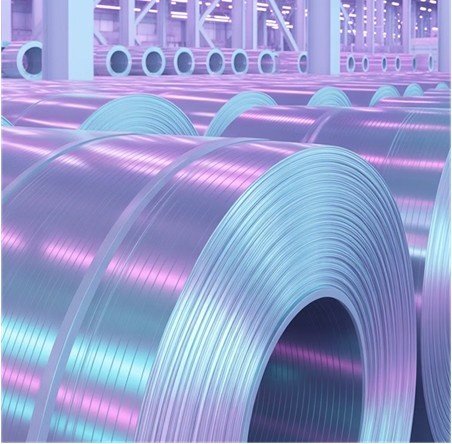
Steel Grade & Coating
Verify base steel grade (typically Grade 33, 50, or higher) and galvanization quality. G60 and G90 coatings offer different corrosion protection levels—match to your environment.
Dimensional Tolerances
Check adherence to thickness, width, and straightness specifications. Tight tolerances ensure proper fit-up and structural performance in the field.
Consistency Testing
Request documentation of tensile strength testing, coating weight verification, and dimensional inspection procedures. Regular third-party testing adds credibility.
Comparing Top Manufacturers
The U.S. market features several established light gauge steel manufacturers, each with distinct strengths. Understanding their differences helps align supplier capabilities with project requirements.
| Factor | National Suppliers | Regional Specialists | Custom Fabricators |
|---|---|---|---|
| Lead Time | 2–4 weeks (standard production) | 1–3 weeks (typical projects) | 3–6 weeks (custom builds) |
| Volume Capacity | Very High | Medium to High | Low to Medium |
| Customization | Limited options | Moderate flexibility | Highly customizable |
| Technical Support | Corporate engineering resources | Direct local access | Specialized expertise |
| Price Point | Competitive at volume scale | Moderate | Premium for custom work |
Digital Integration & BIM Compatibility
Modern Workflow Requirements
Today’s projects demand seamless digital coordination. Leading manufacturers provide detailed BIM objects, CAD libraries, and specification data that integrate directly into your design workflow.
Companies like Consac understand that efficient detailing and coordination start with accurate manufacturer data. When evaluating suppliers, ask about:
Revit family libraries and AutoCAD block availability
Specification sheets in CSI MasterFormat
Load tables and span charts in digital formats
API access for automated material takeoffs
This digital readiness accelerates design, improves accuracy, and reduces coordination conflicts during construction.
Making Your Selection Decision
Define Requirements
Document project specifications, volume needs, timeline constraints, and budget parameters. Include special considerations like seismic zones or coastal environments.
Request Qualifications
Gather certifications, case studies, and references from manufacturers. Schedule facility tours when possible to assess capabilities firsthand.
Compare Proposals
Evaluate not just pricing, but total value including technical support, delivery reliability, and warranty terms. Consider long-term partnership potential.
Verify & Validate
Check references thoroughly, review sample materials, and confirm production schedules align with your construction phasing. Request mock-ups for critical applications.
Making informed comparisons between light gauge steel manufacturers ensures your projects benefit from quality materials, reliable delivery, and expert support. Take time to evaluate thoroughly — your project's success depends on it.
Choose manufacturers committed to consistent material standards and rigorous quality control. Your structural integrity depends on it.
Select suppliers who provide engineering assistance, BIM resources, and responsive customer service throughout your project lifecycle.
The best manufacturer partnerships extend beyond single projects. Invest time in finding suppliers aligned with your standards and workflow.
Partner for Success
Quality First
Support Matters
Build Relationships
What's Your Reaction?