5 Common Mistakes in Steel Joist Detailing and How to Avoid Them
Steel joist detailing is a critical phase in structural engineering that directly impacts project timelines, safety, and costs. Even experienced teams can fall into common traps that lead to fabrication errors, installation delays, and costly rework. Understanding these pitfalls and implementing proven strategies can transform your detailing process from reactive to proactive.
The Hidden Cost of Detailing Errors
| Detailing mistakes don't just cause inconvenience—they cascade through your entire project timeline. A single misplaced connection detail can halt steel erection for days, impacting trade coordination and budget forecasts. The stakes are particularly high in fast-track construction, where schedule compression leaves little room for error recovery. Modern fabricators rely on precise shop drawings to drive automated cutting and drilling equipment. When details contain inaccuracies, the domino effect touches procurement, fabrication, logistics, and field installation. Prevention through systematic review processes saves far more than correction after the fact. |
|

Mistake #1: Inadequate Coordination Between Disciplines
The Problem
Steel joist details created in isolation often clash with MEP systems, architectural elements, or structural supports. Coordination gaps emerge when detailers work from outdated or incomplete information.
The Solution
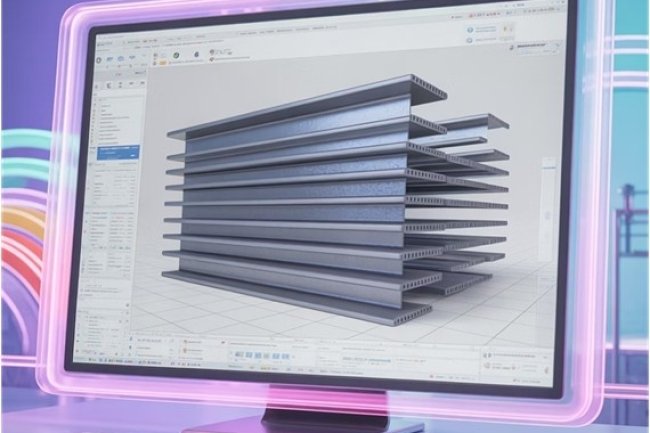
Implement a robust BIM coordination workflow. Use clash detection software to identify conflicts before fabrication begins. Schedule regular coordination meetings with all trades and maintain a centralized model that serves as the single source of truth.
Establish clear communication protocols where structural detailers receive timely updates from mechanical, electrical, and plumbing teams. This proactive approach, often facilitated by companies like Consac through integrated digital solutions, prevents field surprises and can reduce change orders by up to 40% on complex projects.
Mistake #2: Ignoring Load Path Continuity
|
|
Understanding the Critical Issue
|

Mistake #3: Insufficient Attention to Fabrication Tolerances
Design Phase
Theoretical dimensions assume perfect conditions and exact measurements throughout the structure.
Fabrication Reality
Manufacturing processes introduce inherent tolerances. Steel mills, cutting equipment, and welding all add variability.
Field Installation
Site conditions compound these variations. Temperature, existing structure tolerances, and erection sequences all affect fit-up.
Best Practice Approach
Successful detailing anticipates these cumulative tolerances. Provide adequate clearances for connections, especially where field adjustment is difficult. Specify slotted holes where appropriate, and design connections with enough flexibility to accommodate reasonable field variations. Understanding AISC tolerances and incorporating them into your details prevents the frustration of “it looked good on paper” scenarios during erection.
Mistake #4: Overlooking Constructability and Erection Sequence
Accessibility Analysis
Evaluate whether connections can physically be reached and installed with available tools and equipment in the actual construction environment.
Bolt-Up Sequence
Consider the order in which bolts must be installed. Some connection geometries make it impossible to install all fasteners after adjacent members are in place.
Welding Access
Ensure welders can position themselves and equipment to achieve proper weld quality while maintaining safety protocols and meeting code requirements.
Temporary Stability
Design connections that allow for safe erection sequencing, with adequate stability at each stage before final connections are completed.
The best details are those that ironworkers can execute efficiently and safely. Engage with fabricators and erectors early in the detailing process. Their field experience provides invaluable insights that prevent impractical details from reaching the shop floor. A detail that's theoretically sound but practically impossible to install serves no one.
Mistake #5: Incomplete or Ambiguous Documentation
Common Documentation Failures
- Missing weld symbols or incomplete welding specifications
- Unclear material grades or bolt specifications
- Inadequate section views for complex connections
- Contradictory dimensions between different drawing views
- Absent or unclear notes regarding special requirements
Shop drawings serve as the contract between design intent and fabricated reality. Every dimension, material callout, and construction note must be clear, complete, and consistent. Ambiguity leads to RFIs, delays, and increased risk of errors.
Best Practices for Clear Documentation
- Follow AISC standards for detailing notation and symbology
- Include comprehensive general notes covering materials, welding, and quality standards
- Provide multiple views when single views do not fully communicate geometry
- Use consistent scales and clearly label all dimensions
- Implement a thorough QA/QC review process before release
Building Excellence Through Systematic Detailing
Invest in Training
Continuous education in modern detailing standards, BIM technologies, and fabrication methods keeps your team ahead of industry evolution.
Leverage Technology
Advanced detailing software, clash detection tools, and digital collaboration platforms dramatically reduce errors and improve coordination efficiency.
Foster Communication
Create feedback loops between detailers, engineers, fabricators, and erectors. This collective intelligence prevents repeated mistakes and builds institutional knowledge.
Excellence in steel joist detailing isn't achieved through perfection—it's built through systematic processes that catch errors before they become problems. By addressing these five common mistakes with proven prevention strategies, projects experience fewer delays, reduced costs, and improved safety outcomes. The investment in rigorous detailing practices pays dividends throughout the construction lifecycle, from fabrication efficiency to long-term structural performance.
What's Your Reaction?