Optimizing Joist and Deck Placement with BIM Analytics
Building Information Modeling has transformed how we approach structural design and placement decisions. When it comes to joist and deck systems, BIM analytics offers unprecedented precision, efficiency, and coordination capabilities that directly impact project timelines, costs, and constructability.

The Challenge of Traditional Joist Placement Methods
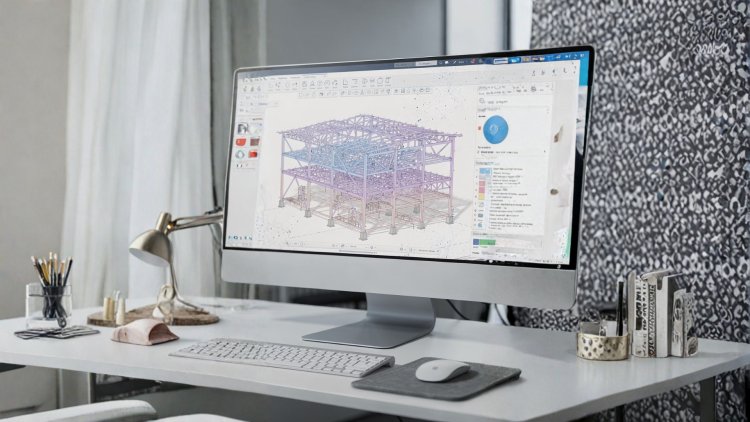
BIM software automatically identifies conflicts between joists, ductwork, piping, and electrical systems before fabrication begins, preventing expensive field corrections.
Analytics tools compare multiple framing layouts to identify the most efficient load transfer paths while reducing material usage and maintaining structural integrity.
Engineers can instantly evaluate the impact of spacing and sizing changes on deflection, vibration performance, and building code compliance.
Automated takeoffs provide accurate counts of joists, bridging, and deck panels while instantly updating quantities whenever design revisions occur.
How BIM Analytics Transforms Joist System Design
Automated Clash Detection
Load Path Optimization
Real-Time Span Analysis
Material Quantity Tracking
Precise coordination aligns fastener locations with joist positions and manufacturer requirements, reducing installation time while improving structural reliability.
Advanced analytics continuously track relationships between deck panels, joists, beams, and adjacent building systems. This ensures proper clearances, support conditions, and seamless coordination throughout the entire structural assembly.
Companies like Consac leverage advanced BIM analytics and coordination workflows to eliminate clashes before construction begins. By resolving issues digitally rather than in the field, project teams reduce rework, improve installation efficiency, and deliver more predictable project outcomes.
Strategic Deck Placement Using Data-Driven Insights
Attachment Point Mapping
Multi-Layer Coordination
Less material waste through optimized joist spacing and efficient deck panel layouts.
Coordinated construction documents accelerate reviews and permitting cycles.
Quantifiable Benefits of BIM-Optimized Joist Systems
Cost Reduction
Faster Approval
Ensure architectural and structural models are fully coordinated before beginning joist layout. Clean geometry and consistent modeling standards create the foundation for reliable BIM analytics and optimization.
Establish joist depth limitations, vibration criteria, and deflection requirements at the beginning of the project. These constraints help BIM platforms generate more accurate optimization outcomes.
Conduct regular coordination sessions where BIM analytics identify potential routing conflicts. Resolve issues collaboratively before finalizing joist and deck layouts.
Leverage BIM data to produce detailed shop drawings, material schedules, and CNC fabrication files. This creates a seamless connection between design intent, manufacturing, and field installation.
Implementation Best Practices for Your Next Project
Start with Accurate Base Models
Define Clear Parameters Early
Coordinate with MEP Teams
Generate Fabrication-Ready Models
Real-world construction includes cumulative tolerances across multiple trades and assemblies. Incorporate realistic clearances into your BIM model instead of relying on perfect dimensions.
Optimize layouts for more than installation. Consider maintenance access, future renovations, equipment replacement, and lifecycle flexibility when finalizing joist and deck configurations.
Key Lesson: Successful BIM optimization balances analytical efficiency with real-world constructability. The most effective joist and deck systems are not simply optimized for design—they are practical to fabricate, straightforward to install, and adaptable throughout the building lifecycle.
Common Pitfalls to Avoid
Overlooking Tolerance Stack-Up
Neglecting Long-Term Access
Advanced analytics guide optimal structural configurations from the earliest design stages, helping engineers make informed decisions with greater confidence.
Automated clash detection and model validation identify conflicts before construction begins, reducing rework and improving collaboration across disciplines.
Streamlined workflows accelerate design reviews, fabrication preparation, and field execution while reducing overall project costs.
Whether you're a design engineer, project manager, or general contractor, adopting BIM analytics for joist and deck optimization provides a measurable competitive advantage. The technology is proven, the workflows are mature, and the construction industry is rapidly embracing this approach as the new benchmark for project delivery.
Start integrating BIM-driven coordination techniques into your next project and experience firsthand how data-driven structural planning improves efficiency, reduces risk, and transforms project outcomes from concept through construction.
Smarter Design
Better Coordination
Faster Delivery
Looking Ahead
What's Your Reaction?