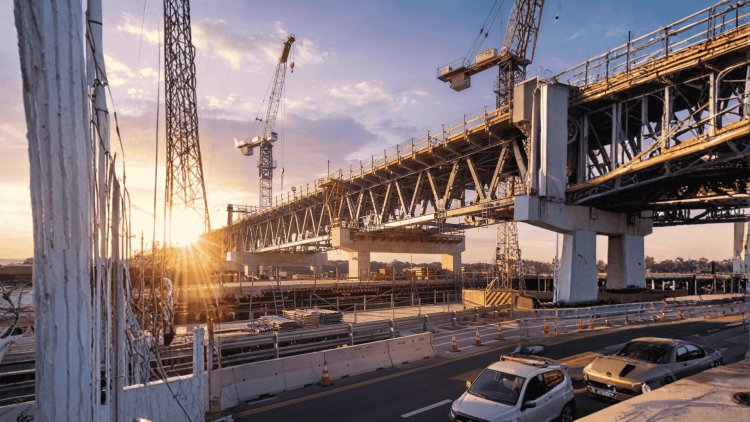
Infrastructure Delivery & BIM
Understanding the IIJA Mandate — And Why BIM Fits So Well
The Infrastructure Investment and Jobs Act (IIJA) demands greater transparency, accountability, coordination, and lifecycle performance across major infrastructure programs — making BIM an ideal operational framework for modern project delivery.
What IIJA Demands
Federal reporting and accountability for public infrastructure spending
Reduced project delays, coordination conflicts, and cost overruns
Sustainable and resilient infrastructure design standards
Multi-agency and multi-contractor coordination across large-scale projects
Where BIM Delivers
Centralized real-time project information environments
Clash detection and issue resolution before field construction begins
Lifecycle asset documentation for operations and long-term maintenance
Seamless collaboration between distributed project stakeholders and contractors
Infrastructure Delivery
BIM in Action: Bridges, Highways, and Rail
Across IIJA-funded infrastructure programs, BIM is helping project teams improve coordination, reduce construction conflicts, and accelerate delivery timelines across transportation and public works projects.
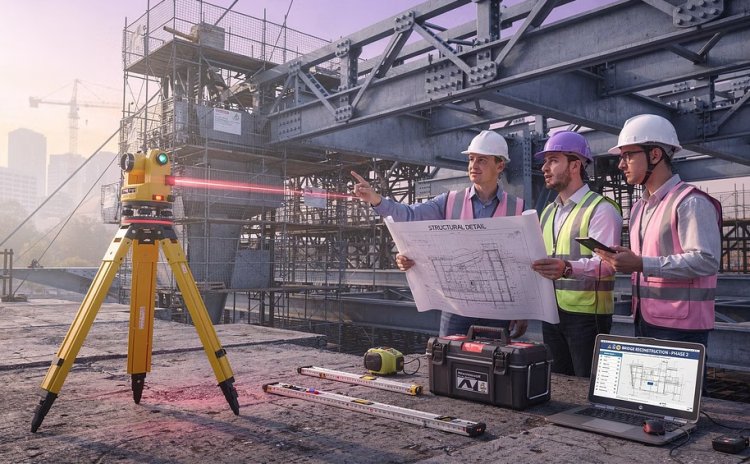
Bridge Rehabilitation
With over $40 billion allocated for bridge repair and replacement, BIM enables engineers to model existing conditions, integrate structural analysis, and sequence phased construction within a unified digital environment.
Coordinated models reduce field conflicts, improve constructability planning, and help accelerate permitting and stakeholder approvals across complex rehabilitation programs.
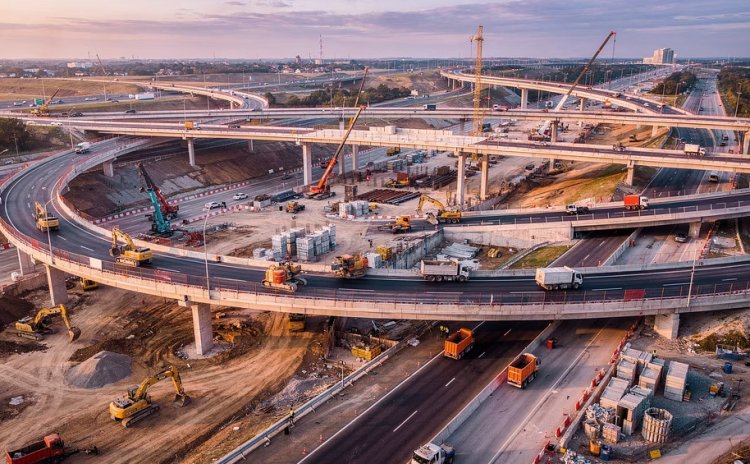
Highway Expansion
Highway corridor expansions involve massive site areas, multiple contractors, and tightly managed schedules. BIM's 4D sequencing capabilities allow teams to visualize construction progress over time.
Project managers can identify bottlenecks early, coordinate crews more effectively, and align construction milestones with federally tied funding requirements.
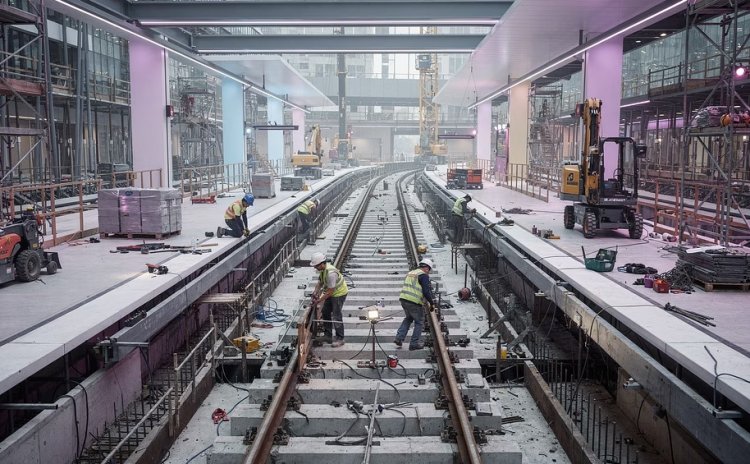
Rail and Transit
Rail corridors and transit hubs require close coordination between civil, structural, MEP, and systems engineering disciplines. BIM's federated model environment allows each team to work independently while resolving clashes collaboratively.
The result is cleaner coordination, fewer installation conflicts, and infrastructure systems that integrate seamlessly once construction begins.
IIJA + BIM Compliance
The Core BIM Capabilities Driving IIJA Compliance
Delivering IIJA-funded infrastructure projects requires data-rich coordination, lifecycle accountability, and rigorous reporting workflows — all areas where BIM provides measurable operational advantages.
Digital Twin Integration
BIM models are increasingly linked to live sensor networks on bridges, tunnels, and transportation assets — creating intelligent digital twins that reflect real-world performance and operational conditions.
This supports predictive maintenance, long-term lifecycle planning, and infrastructure monitoring long after construction is complete.
Clash Detection & Risk Reduction
BIM-based clash detection identifies conflicts between structural, civil, utility, and MEP systems before construction begins — dramatically reducing costly field revisions and schedule disruptions.
On large IIJA-funded projects, proactive coordination is critical to maintaining budgets and meeting federally tied delivery milestones.
Quantity Takeoffs & Cost Modeling
BIM-generated quantity takeoffs provide highly accurate material and procurement data directly from the model — improving budgeting precision and reducing waste.
This level of accountability helps agencies and project owners demonstrate responsible stewardship of federal infrastructure funding.
Regulatory & Environmental Documentation
IIJA infrastructure projects often require extensive NEPA and environmental compliance reviews. BIM accelerates these workflows through geospatially accurate project visualization and coordinated documentation.
Agencies and regulators gain faster access to the information needed for impact analysis, approvals, and interagency coordination.
Consac Infrastructure Services
How Consac Supports IIJA-Driven Infrastructure Projects
Consac combines BIM coordination, structural detailing, digital delivery, and construction intelligence to help infrastructure teams meet the scale, accountability, and delivery expectations of IIJA-funded programs.
BIM Coordination
Federated BIM model management across civil, structural, architectural, and MEP disciplines ensures infrastructure teams work from a coordinated, conflict-free digital environment throughout project delivery.
Structural Detailing
High-accuracy shop drawings, fabrication models, and structural detailing services support bridges, steel frameworks, concrete systems, and transportation infrastructure requiring precise construction coordination.
4D / 5D Modeling
Construction sequencing and cost-integrated BIM models provide visibility into schedules, milestones, procurement, and reporting workflows — helping teams align with IIJA funding and compliance requirements.
As-Built Documentation
Scan-to-BIM workflows and field verification services capture final constructed conditions with high accuracy — supporting long-term asset management, maintenance planning, and operational documentation.
IIJA + BIM Delivery
Key Takeaways: BIM as the Engine Behind IIJA Delivery
Asset Management Coordinated Delivery BIM Planning IIJA Funding
The IIJA represents a generational opportunity for U.S. infrastructure — but only for teams equipped to manage the complexity it introduces. BIM is no longer optional; it is the operational framework that enables accountability, coordination, and successful project delivery at scale.
Start BIM-First, Not BIM-Later
Integrating BIM from the earliest planning and design stages dramatically improves coordination outcomes, strengthens documentation quality, and reduces expensive rework during construction execution.
Projects that delay BIM adoption often struggle with fragmented information, disconnected teams, and avoidable field conflicts later in the delivery cycle.
Align BIM Deliverables with Federal Reporting
BIM Execution Plans should be structured to support IIJA grant reporting requirements — including quantity tracking, progress documentation, cost controls, and formal change management workflows.
Well-organized BIM data improves transparency and helps infrastructure owners demonstrate accountability for federally funded investments.
Invest in Cross-Discipline Collaboration
IIJA-funded infrastructure projects require coordination across civil, structural, environmental, transportation, and systems engineering disciplines.
A federated BIM environment creates a shared source of truth that minimizes information silos, improves communication, and keeps complex project teams aligned from concept through construction.
Precision Digital Delivery Is Now Essential Infrastructure
As infrastructure investment accelerates across the United States, the need for accurate, coordinated, and accountable digital delivery workflows continues to grow. Whether managing a bridge replacement program or a multi-corridor transit expansion, BIM gives project teams the visibility, coordination control, and documentation framework required to meet IIJA expectations successfully.