Digital Twins in U.S. Facility Management: From BIM to Building Lifecycle Data
Digital twins are transforming how we manage buildings in America, particularly in government and healthcare facilities. Think of a digital twin as a virtual copy of your physical building that updates in real-time, helping you make smarter decisions about maintenance, energy use, and space planning.
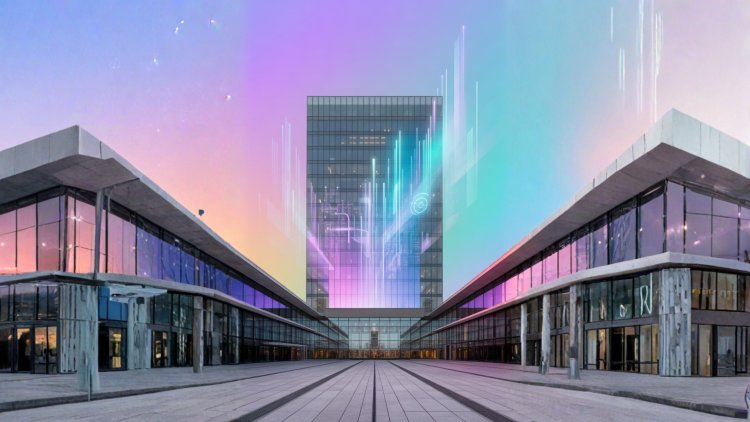
Connected Building Intelligence
Digital twins connect BIM models, IoT devices, sensors, and facility systems into one centralized platform, providing complete visibility into building performance.
Real-Time Decision Making
Facility managers can monitor equipment health, occupancy, energy consumption, and maintenance needs in real time instead of relying on assumptions or outdated reports.
From Static Buildings to Living Data Models
Instead of guessing when equipment may fail or trying to determine why energy consumption is increasing, facility teams gain direct insight from real operational data. Every major building system can be monitored and analyzed through a single digital environment.
This technology creates a powerful connection between design, construction, and operations. The building model becomes more than documentation—it evolves into an active management tool that supports smarter maintenance planning, energy optimization, and long-term asset performance.
A Smarter Way to Manage Buildings
Digital twins transform facility management from reactive problem-solving to proactive decision-making. By combining design intelligence with real-time operational data, organizations can improve efficiency, reduce downtime, and maximize the value of their building assets throughout their lifecycle.
Government facilities use digital twins to improve operational efficiency, reduce energy consumption by up to 20%, and enhance occupant comfort while maximizing the utilization of available space.
City halls, administrative offices, and civic centers leverage real-time facility data to optimize HVAC performance, improve energy efficiency, and predict maintenance needs before failures occur.
Government facilities operate under unique constraints, including limited budgets, strict compliance requirements, aging infrastructure, and the need for uninterrupted public services. Digital twins address these challenges by delivering data-driven insights that improve maintenance planning, reduce operating costs, increase energy efficiency, and support better long-term asset management decisions.
Government Facilities Leading the Way
Federal Buildings
Municipal Buildings
Why Government Agencies Are Investing in Digital Twins
Digital twins continuously monitor HVAC, electrical infrastructure, and medical gas systems to maintain patient safety and support regulatory compliance.
Real-time occupancy insights help healthcare providers maximize bed utilization, streamline patient movement, and improve facility efficiency.
Healthcare facilities operate in environments where reliability is essential and downtime can directly affect patient outcomes. Digital twin technology provides continuous visibility into building performance, helping facility managers make proactive decisions that improve operational efficiency, support regulatory compliance, and maintain critical services. When organizations implement advanced digital twin solutions, they often experience measurable improvements in both facility performance and patient care delivery.
Healthcare Facilities: Where Lives Depend on Performance
Critical System Monitoring
Space Optimization
Improving Outcomes Through Data
The transition from static BIM models to dynamic digital twins represents a fundamental shift in how facilities are managed. Instead of using building information solely for design and construction, organizations can now leverage continuous streams of operational data to monitor performance, predict issues, optimize resources, and improve decision-making. You're no longer simply managing a building—you're operating an intelligent system that continuously learns, adapts, and improves throughout its lifecycle.
From BIM to Real-Time Operations
Traditional BIM Approach
The Evolution of Facility Management
Use your current building models as the foundation for your digital twin initiative. Many facilities already possess valuable BIM assets that can accelerate implementation and reduce startup costs.
Prioritize HVAC, electrical, security, and other high-impact systems. These assets typically deliver the fastest return on investment and immediate operational improvements.
Digital twins are no longer limited to technology innovators. Government agencies, healthcare organizations, and facility operators across the country are already achieving measurable results through lower energy consumption, reduced maintenance costs, improved asset reliability, and better occupant experiences. The conversation has shifted from whether digital twin technology should be adopted to how quickly organizations can realize its benefits. Starting with the right data, systems, and scalable strategy can accelerate that journey significantly.
Your Next Steps: Practical Implementation
Start with Existing BIM Data
Identify Critical Systems
The Opportunity Is Already Here
What's Your Reaction?