Understanding the Role of Wood Nailers in Roofing Systems
When it comes to roofing systems, every component plays a critical role in performance, longevity, and safety. Wood nailers—though often overlooked in the broader conversation about roofing design—are among the most foundational elements that hold everything together. From anchoring edge flashings to securing roof membranes, wood nailers quietly do the heavy lifting that keeps a roofing assembly compliant, weather-tight, and structurally sound.
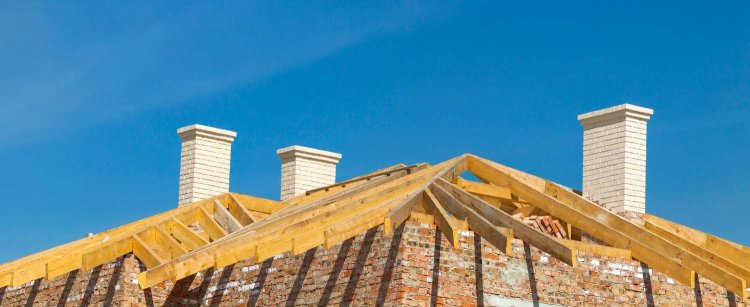
What Are Wood Nailers in Roofing?
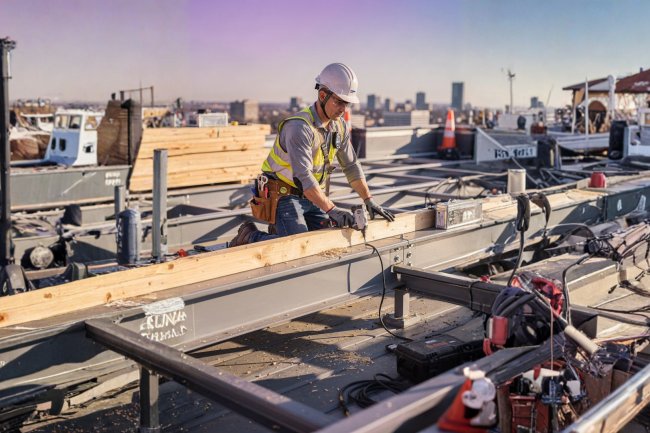
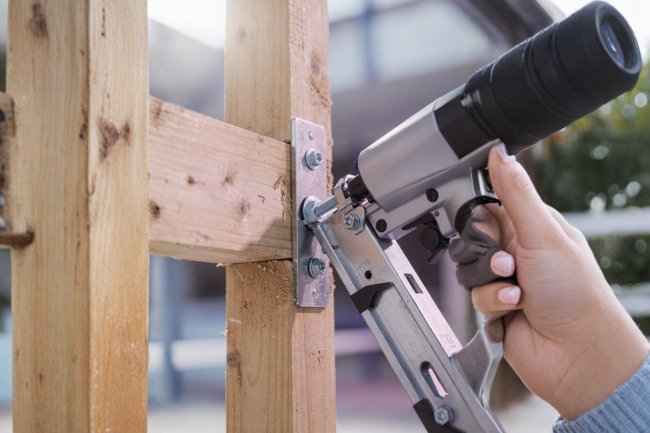
A wood nailer — also known as a cant strip or blocking nailer — is a pressure-treated dimensional lumber member anchored to the structural deck or parapet walls. It provides a secure base for fastening roofing components like edge flashings, coping caps, fascia systems, and membrane terminations.
In low-slope roofing systems, nailers act as the critical interface between horizontal membranes and vertical surfaces. Without them, these zones become vulnerable to water intrusion, membrane failure, and wind uplift damage.
Properly designed nailers must comply with standards such as ANSI/SPRI ES-1 and FM Global, ensuring resistance to wind uplift forces at roof edges.
Secure Attachment Base
Provides a strong substrate for fastening roof edge systems and terminations.
Prevents Water Infiltration
Ensures tight sealing at roof edges and transitions, reducing leakage risks.
Wind Uplift Resistance
Designed to resist uplift forces and protect roof edges during extreme conditions.
Code-Compliant Design
Meets ANSI/SPRI ES-1 and FM Global requirements for safe, compliant construction.
Where Are Wood Nailers Typically Used?
Wood nailers are used at critical locations across roofing assemblies, each serving a specific structural and waterproofing function.
Roof Edges & Perimeters
Nailers at roof edges anchor fascia and edge flashing systems — the first defense against wind uplift and water intrusion. Proper sizing follows ANSI/SPRI ES-1 requirements.
Mechanical Curbs & Penetrations
Around HVAC units, skylights, and pipe penetrations, nailers frame curb assemblies and provide a secure surface for flashing and sealing critical leak-prone areas.
Parapet Walls
Nailers along parapets support coping caps and membrane terminations, ensuring secure anchorage where roofing transitions from horizontal to vertical surfaces.
Expansion Joints
Nailer blocking at expansion joints stabilizes flashing systems while allowing controlled structural movement without compromising watertight performance.
Why Wood Nailers Matter: Structural & Waterproofing Significance
Wood nailers perform a dual role — providing structural anchorage and managing waterproofing interfaces — both critical to long-term roofing performance.
Structural Anchorage
Wind uplift is a major threat to low-slope roofing systems. Edge flashings and coping systems must resist negative pressures during high-wind events.
Properly sized and fastened wood nailers transfer these loads safely to the structure, preventing edge failure and catastrophic roof blow-off.
Waterproofing Interface
Roof edges and terminations are highly vulnerable to water intrusion. These transition zones demand precision and stability.
Wood nailers provide a consistent base for accurate installation, eliminating gaps and misalignments that could lead to leaks and moisture damage.
Material Selection: What Makes a Good Wood Nailer?
Selecting the right material is critical for durability, structural performance, and long-term resistance to environmental exposure.
Key Standards & Specifications Governing Wood Nailers
Compliance with industry standards is essential for proper nailer design, sizing, and fastening. These frameworks ensure safety, durability, and code-compliant roofing performance.
ANSI/SPRI ES-1
Defines wind uplift testing and performance requirements for edge systems. Governs nailer sizing, fastener spacing, and pull-out resistance at design wind speeds.
IBC & ASCE 7
Establish wind load calculations and design pressures at roof edges and corners, directly informing nailer fastener patterns and embedment depth requirements.
FM Global (LPDS)
FM 1-49 and FM 1-29 provide detailed requirements for perimeter fastening. Compliance is mandatory for insured facilities to maintain coverage eligibility.
Manufacturer Specifications
Roofing manufacturers define nailer requirements as warranty conditions. Deviating from these specs can void system warranties even if code-compliant.
Common Installation Mistakes — and How to Avoid Them
What Goes Wrong
Even experienced roofing teams can encounter hidden issues that impact long-term performance, warranty compliance, and structural reliability.
- Using untreated or improperly treated lumber prone to rot and shrinkage
- Incorrect fastener spacing that reduces pull-out resistance
- Nailer height mismatched with insulation thickness
- Gaps or discontinuities in nailer runs
- Skipping nailers at curbs and penetration details
Best Practices to Follow
Prevent issues early through clear specifications, coordination, and disciplined installation practices.
- Specify nailer type, size, and treatment in project specifications
- Coordinate nailer height with roofing system manufacturer
- Verify fastener pull-out against project wind load requirements
- Ensure continuity at corners and transitions during inspection
- Require submittals with material certifications and treatment documentation
Wood Nailers in BIM & CAD Detailing Workflows
As roofing systems become more complex, accurate BIM and CAD detailing of wood nailers ensures coordination, constructability, and compliance from design through installation.
Wood nailers play a critical role in BIM workflows by enabling early identification of coordination issues. Accurate modeling of locations, sizes, and fastening patterns helps prevent costly field conflicts.
In platforms like Revit, nailers are modeled as structural framing or custom families, coordinated with insulation layers, edge metal systems, and parapet assemblies.
These coordinated models support shop drawings, clash detection, and installation planning — ensuring smoother project execution.
3D BIM Modeling
Model nailers as structural elements or custom families integrated with full roofing systems.
Clash Detection
Identify conflicts with insulation, parapets, and MEP systems before construction begins.
Shop Drawings
Generate accurate construction documents directly from coordinated BIM models.
Reduced RFIs & Errors
Minimize field changes, improve coordination, and support warranty compliance documentation.
Practical Takeaways for Your Next Roofing Project
Wood nailers may be a small specification item, but their influence on performance, compliance, and durability is critical.
Specify Early and Completely
Define nailer type, treatment, size, and fastening requirements during design. Avoid field decisions that compromise performance.
Coordinate Across Trades
Align responsibilities between structural, roofing, and sheet metal teams to avoid scope gaps during execution.
Design for Wind Uplift
Calculate edge pressures per ASCE 7 and ensure fastening patterns meet required uplift resistance.
Inspect Before Covering
Verify nailer continuity, fastener spacing, and alignment before membrane installation begins.
Protect Your Warranty
Cross-check nailer details with manufacturer specifications to ensure full warranty compliance.
Conclusion: Small Component, Big Impact
Wood nailers are a foundational detail that defines overall roofing performance. When properly specified, installed, and coordinated, they quietly ensure every component functions as intended.
Structural Integrity
Proper anchorage resists wind uplift and protects edge assemblies from failure.
Code & Warranty Compliance
Aligns with ANSI/SPRI ES-1, FM Global, and manufacturer requirements.
Waterproofing Precision
Enables accurate membrane terminations and reduces leak risks.
BIM-Ready Coordination
Reduces RFIs and improves coordination across roofing trades.
For project managers, engineers, and coordinators, the takeaway is clear: the smallest components often carry the greatest responsibility. Investing in proper nailer design today prevents costly failures, water damage, and warranty disputes tomorrow.
What's Your Reaction?