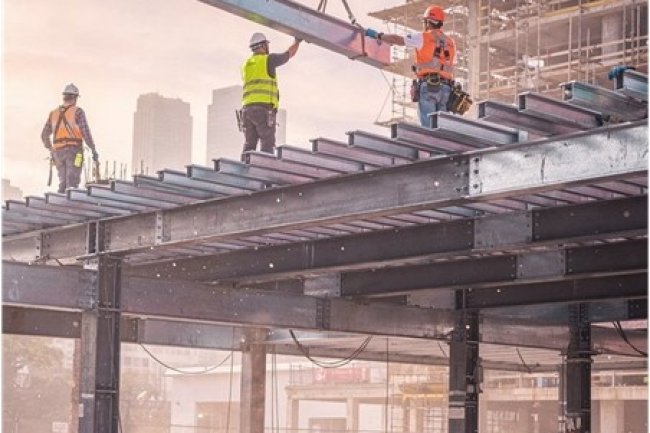
Joist and Deck Integration with Roofing Systems in BIM
Coordinating structural framing with roofing assemblies is a critical—and often underestimated—challenge in building design. When joists, decking, and roofing systems aren't properly integrated in the digital model, the consequences show up on site: clashes, rework, delays, and budget overruns. Building Information Modeling offers a smarter path forward, enabling teams to visualize, validate, and optimize these connections before construction begins.
Why Joist–Deck–Roof Integration Matters
Understanding how structural and architectural systems interact at the roof level is essential for avoiding downstream construction conflicts.
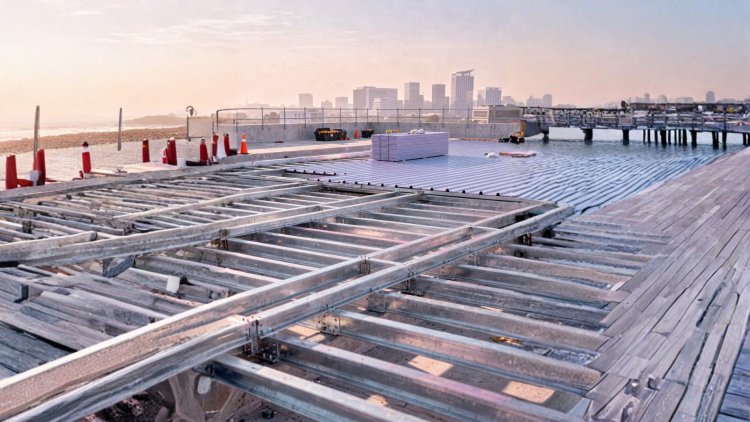
Roof-level structural coordination requires precise alignment between architectural, structural, and MEP systems. Without BIM integration, small mismatches quickly become costly field issues.
Roofing slopes and drainage requirements often conflict with structural framing elevations. Without 3D coordination, drainage points and insulation depths may not align, forcing unplanned joist adjustments.
HVAC curbs, plumbing vents, and electrical conduits must pass through the deck without compromising structural integrity. Uncoordinated penetrations often require field reinforcement or joist relocation.
Rooftop equipment loads must transfer cleanly through the deck to supporting joists and beams. Misalignment between equipment and framing creates point-loading issues that often appear too late on site.
Deck-to-joist attachments, edge conditions, and expansion joints require precise detailing. Incomplete modeling increases fabrication uncertainty and field installation errors.
Common Coordination Challenges
Elevation Conflicts
Penetration Coordination
Load Path Verification
Connection Detailing
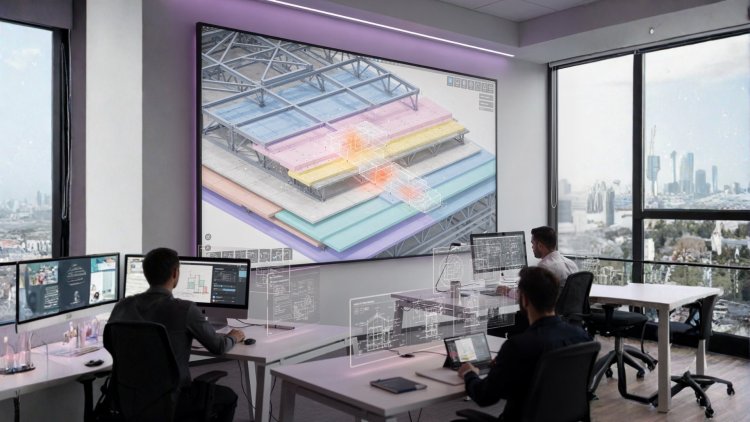
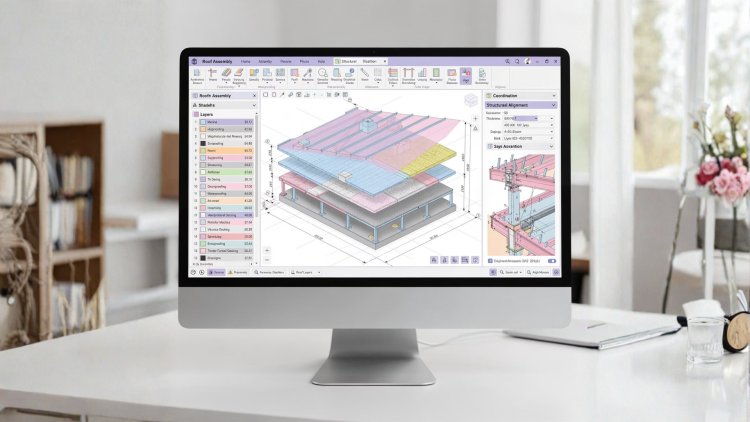
BIM creates a shared digital environment where structural, architectural, and MEP systems are coordinated as a single intelligent model rather than isolated drawings.
How BIM Transforms Coordination
Successful BIM-based joist and deck coordination depends on structured collaboration, consistent standards, and continuous validation across disciplines.
Begin coordination during design development, not construction documents. Early involvement of structural, architectural, and MEP teams prevents locked-in conflicts that become expensive to resolve later.
Establish consistent LOD requirements across disciplines. Joists modeled at LOD 350 must align with roofing assemblies at the same detail level to enable meaningful coordination and clash detection.
Implement regular model reviews with clearly defined deliverables. Verify structural bearing points against deck support, confirm drainage slopes, and ensure penetration locations work across all trades.
Best Practices for Effective Integration
Early Collaboration
Level of Detail Standards
Validation Protocols
Effective BIM coordination depends on how accurately structural and roofing systems are represented, not just in geometry but in behavior, sequencing, and installation logic.
Technical Considerations for Model Development
BIM-driven coordination delivers measurable improvements in clash detection, scheduling efficiency, and overall project cost performance.
Projects using coordinated BIM models typically experience 30–40% fewer field conflicts compared to traditional 2D workflows.
Integrated 3D models reduce coordination review cycles by approximately 25%, accelerating overall project schedules.
Early clash detection and resolution reduce total project costs by 10–15% through eliminated rework and change orders.
Real-World Impact: By the Numbers
BIM-based joist, deck, and roofing coordination is evolving from an advanced capability into a standard requirement for modern construction delivery.
Moving Forward: Integration as Standard Practice
What's Your Reaction?