The Importance of a Detailed Bill of Materials (BOM) in Steel Construction Projects
In steel construction, precision isn't just a goal4it's a necessity. A well-structured Bill of Materials (BOM) serves as the backbone of every successful project, ensuring that every beam, bolt, and plate arrives on time and fits perfectly. This comprehensive guide explores why detailed BOMs matter and how they transform complex construction challenges into streamlined successes.
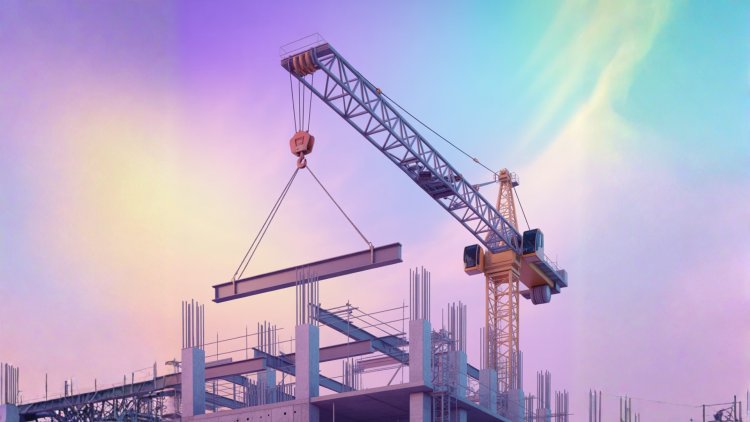
What Is a Bill of Materials and Why Does It Matter?
The difference between a basic parts list and a detailed BOM can mean the difference between a project that runs smoothly and one burdened by delays, rework, procurement issues, and budget overruns. In steel construction, where a single missing connection plate can stop crane operations for an entire day, meticulous documentation becomes a critical project asset.
Complete Material Inventory
Tracks every structural member, plate, bolt, weld item, and accessory required to complete fabrication and installation.
Precise Specifications
Documents exact sizes, grades, finishes, and fabrication requirements to eliminate ambiguity during production.
Accurate Quantities
Ensures procurement teams order the correct quantities, reducing material shortages, excess inventory, and waste.
Clear Assembly Sequences
Supports fabrication planning and erection workflows by defining how components fit together throughout the project lifecycle.
Creating a comprehensive Bill of Materials requires more than listing parts and quantities. A truly effective BOM combines technical specifications, fabrication data, procurement information, and traceability details into a single source of truth that supports every stage of the project lifecycle.
Exact lengths, widths, thicknesses, hole locations, and custom fabrication requirements ensure components are manufactured accurately the first time.
Precise material counts with waste factors and contingency allowances help optimize procurement while reducing shortages and excess inventory.
Unique piece marks and tracking identifiers connect every material item to its corresponding drawing location, fabrication record, and installation sequence, creating complete project traceability.
The Critical Components of an Effective BOM
Dimensional Data
Quantity Takeoffs
Identification Systems
How Detailed BOMs Prevent Costly Project Delays
Modern steel detailing has evolved far beyond manual takeoffs and spreadsheets. Today's most successful projects leverage advanced software platforms that integrate design, detailing, procurement, and material management into a connected digital workflow. These tools transform Bills of Materials from static documents into dynamic project resources that improve accuracy, collaboration, and efficiency throughout the construction lifecycle.
Building Information Modeling creates intelligent 3D environments where every steel member contains embedded data. Material properties, connection details, and assembly sequences automatically populate the BOM, improving consistency and reducing manual input.
Software extracts quantities directly from coordinated models, eliminating manual counting errors and ensuring material requirements remain accurate across thousands of structural components.
Cloud-based platforms give engineers, detailers, fabricators, and contractors access to the same BOM information simultaneously, reducing communication gaps and improving project coordination.
When project designs evolve, digital BOMs update automatically, ensuring all stakeholders work from the latest approved information and reducing risks associated with outdated documentation.
Companies like Consac have pioneered the integration of digital detailing workflows, combining engineering expertise with advanced technology to create BOMs that evolve alongside the project. Rather than static spreadsheets, modern BOMs become living documents that support procurement, fabrication, logistics, and field installation from start to finish.
The Role of Digital Tools in BOM Development
3D Modeling & BIM Integration
Automated Quantity Takeoffs
Real-Time Collaboration
Dynamic Updates & Version Control
Digital BOMs as Living Documents
Listing primary steel members without including bolts, welds, connection plates, stiffeners, and related hardware leaves fabricators making assumptions that often result in costly coordination issues and installation delays.
Omitting steel grades, coatings, certifications, or testing requirements can result in non-compliant materials arriving on-site, triggering procurement delays and potential re-fabrication costs.
Failing to account for cutting losses, damaged materials, fabrication adjustments, and field modifications can create unexpected shortages that disrupt project schedules midway through construction.
BOMs organized without logical grouping, erection sequencing, or building-zone references make it difficult for procurement, fabrication, and field teams to locate, stage, and install materials efficiently.
The most successful steel projects treat the BOM as a strategic project-control document rather than a simple material list. Investing time in accuracy, organization, and completeness early in the process significantly reduces downstream risks, helping teams maintain schedule certainty, fabrication efficiency, and budget control.
Common BOM Mistakes That Derail Steel Projects
Incomplete Connection Details
Missing Material Specifications
Inadequate Waste Allowances
Poor Organization Structure
Consistent naming conventions and data structures across all projects.
Multi-level review processes catch errors before fabrication begins.
Regular coordination between detailing, engineering, and field teams.
Excellence in BOM development comes from combining technical accuracy with practical field knowledge. The most effective Bills of Materials reflect input from every stakeholder—engineers who understand load paths, detailers who know fabrication constraints, and erectors who face real-world installation challenges.
A BOM should never be treated as a standalone spreadsheet. Instead, it should function as a coordinated project resource that aligns procurement, fabrication, logistics, and erection activities around a shared source of truth.
The strongest BOMs are more than accurate—they are organized, collaborative, and adaptable. When technical precision is combined with practical construction knowledge, project teams gain a powerful tool for reducing risk, improving coordination, and delivering successful steel construction projects.
Building BOMs That Deliver Results
Standardize Formats
Implement Quality Checks
Foster Collaboration
Excellence Comes from Collaboration
Detailed BOMs reduce procurement and fabrication coordination time significantly.
Comprehensive material documentation minimizes costly on-site modifications and rework.
Accurate quantity takeoffs with proper allowances optimize ordering and utilization.
A detailed Bill of Materials is not simply project documentation—it is a strategic asset that drives efficiency from design through project completion. Every accurately documented component strengthens procurement planning, fabrication coordination, logistics management, and field execution.
Organizations that invest in comprehensive BOM development consistently experience smoother workflows, stronger communication between stakeholders, reduced project risk, and greater confidence throughout the construction lifecycle.
Transform Your Steel Projects With Precision Documentation
Average Time Savings
Fewer Field Changes
Material Waste Reduction
Documentation That Drives Results
Detailed BOMs reduce procurement and fabrication coordination time significantly.
Comprehensive material documentation minimizes costly on-site modifications and rework.
Accurate quantity takeoffs with proper allowances optimize ordering and utilization.
A detailed Bill of Materials is not simply project documentation—it is a strategic asset that drives efficiency from design through project completion. Every accurately documented component strengthens procurement planning, fabrication coordination, logistics management, and field execution.
Organizations that invest in comprehensive BOM development consistently experience smoother workflows, stronger communication between stakeholders, reduced project risk, and greater confidence throughout the construction lifecycle.
Transform Your Steel Projects With Precision Documentation
Average Time Savings
Fewer Field Changes
Material Waste Reduction
Documentation That Drives Results
What's Your Reaction?