Light Gauge Steel in Educational Buildings
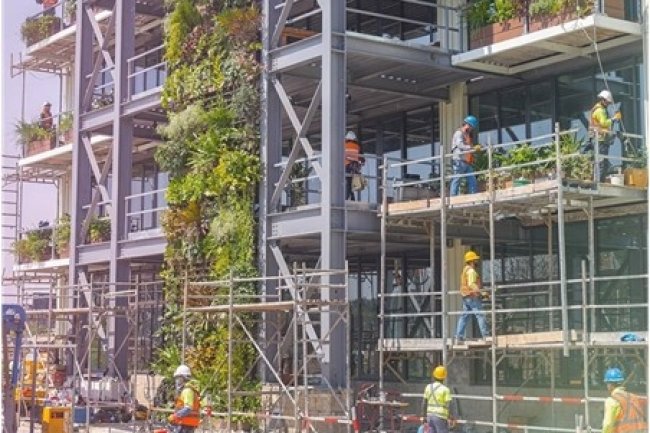
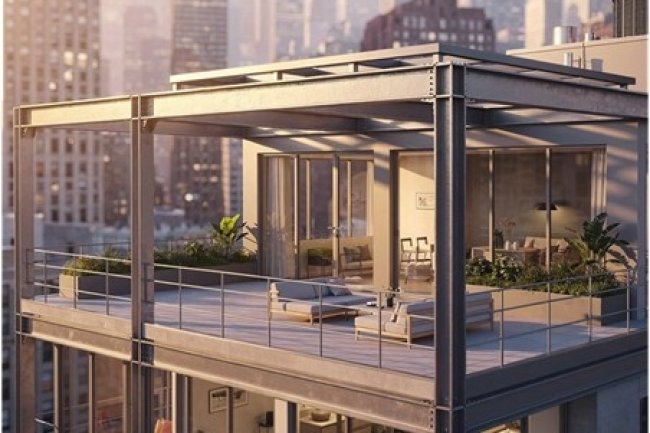
Light gauge steel offers robust, sustainable, and rapidly deployable solutions tailored specifically for modern educational facilities. These sector-specific advancements provide enhanced structural integrity, accelerated construction timelines, and improved energy efficiency, fundamentally transforming how we build optimal learning environments.
Speed and Efficiency in Construction
Rapid Assembly
Prefabricated LGS components arrive ready to install, reducing on-site construction time by up to 30–40% compared to traditional methods. This speed is critical for educational projects with tight academic calendar constraints.
Precision Manufacturing
Factory-controlled production ensures consistent quality and dimensional accuracy. Components are manufactured to exact specifications, minimizing field adjustments and significantly reducing material waste.
Weather Resistance
Steel framing isn't affected by moisture during construction like wood framing. Projects can proceed in various weather conditions, keeping schedules on track and reducing costly delays that impact school opening dates.
Fire Safety and Code Compliance
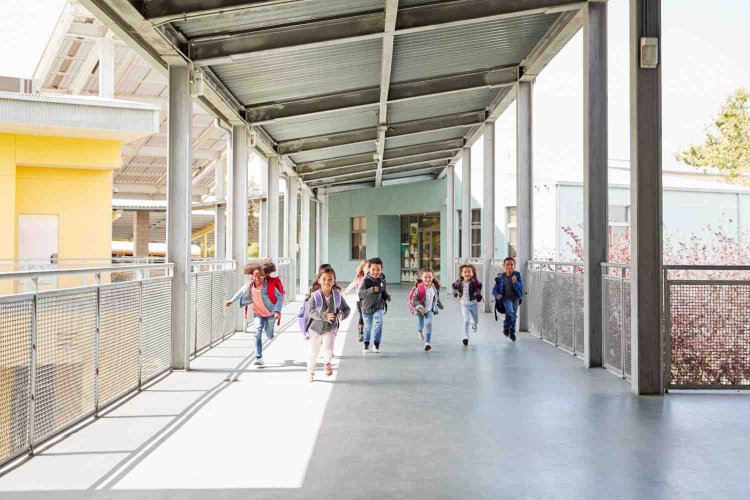
Fire safety is paramount in educational facilities where hundreds or thousands of students gather daily. Light gauge steel provides inherent advantages that meet and exceed stringent building codes.
Steel is non-combustible, earning a Class A fire rating. It doesn't contribute fuel to fires, doesn't emit toxic fumes when exposed to heat, and maintains structural integrity longer than many alternatives during fire events. This gives occupants critical additional time to evacuate safely.
For schools in regions with strict seismic requirements, LGS offers excellent ductility and strength-to-weight ratios. The lighter overall building weight reduces seismic loads, while the material's flexibility helps structures absorb and dissipate energy during earthquakes—a vital consideration for West Coast educational facilities.
Classrooms require excellent acoustic separation to minimize distractions and create effective learning environments.
Proper detailing ensures optimal sound isolation between rooms, improving focus and overall student performance.
Steel's thermal bridging concerns are effectively addressed through modern detailing practices. Continuous insulation strategies and thermal breaks create wall assemblies that meet or exceed current energy codes.
This translates to lower operating costs for school districts managing tight budgets.
Working with experienced teams like Consac, who specialize in architectural and engineering solutions including precise BIM coordination, ensures these performance details are correctly specified and executed from design through construction.
Acoustic and Thermal Performance
Sound Control Matters
Thermal Efficiency Benefits
Long-Term Value and Environmental Impact
Lifecycle Cost Savings
While initial material costs may be comparable to or slightly higher than wood framing, LGS delivers substantial lifecycle savings. Steel doesn't rot, warp, or suffer termite damage—eliminating costly repairs that plague wood-framed schools.
Maintenance requirements are minimal, and the material's dimensional stability means finishes last longer without cracking or gaps developing over time.
Sustainable Construction
Steel is the most recycled material on earth. LGS framing typically contains 25–90% recycled content and is 100% recyclable at end of life without quality degradation.
Reduced construction waste, no off-gassing of VOCs, and energy-efficient manufacturing processes contribute to LEED credits and green building certifications increasingly important to educational institutions.
Design Flexibility
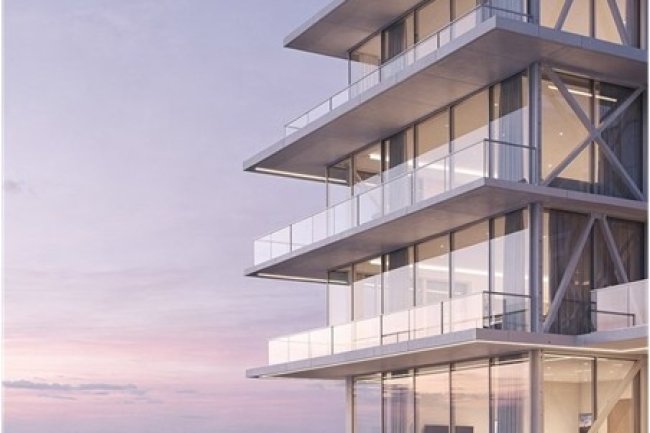
LGS accommodates modern educational design trends including open floor plans, large window systems, and flexible spaces that can adapt as teaching methods evolve.
The material's high strength-to-weight ratio allows longer spans with fewer load-bearing walls, giving architects freedom to create inspiring learning environments.
Architects and engineers align scope early to prevent design conflicts.
Create BIM model for clash detection and coordination accuracy.
Coordinate with manufacturer schedules to streamline production.
Inspect delivery and installation to ensure compliance.
Verify and document final conditions for long-term performance.
Implementing LGS successfully in educational projects requires careful planning and coordination. Early involvement of the steel detailing team during design development prevents conflicts and optimizes constructability.
BIM coordination is essential—3D modeling identifies clashes between framing, MEP systems, and architectural elements before fabrication begins. This digital-first approach reduces field changes and keeps projects on schedule.
Partner with manufacturers and contractors experienced in educational work. They understand the unique challenges of working around active campuses, tight schedules, and the need to minimize disruption to ongoing classes.
Best Practices for Educational Projects
Early Coordination
Detailed BIM
Prefabrication Plan
Quality Control
Post Construction
Success Factors
Building Better Learning Environments
Key Takeaways
Speed Matters
Faster construction means schools open on time and budgets stay controlled.
Safety First
Superior fire resistance and seismic performance protect students and staff.
Performance Driven
Excellent acoustic and thermal properties create better learning spaces.
Sustainable Choice
Recyclable materials and reduced waste align with long-term environmental goals.
Light gauge steel framing represents a smart, forward-thinking choice for educational construction. The combination of speed, safety, performance, and sustainability addresses the core challenges facing facility planners and project managers today.
As educational institutions seek to modernize facilities and expand capacity, LGS provides a proven solution that delivers both immediate construction benefits and long-term operational advantages.
For your next school project, consider how light gauge steel can help you build better, faster, and smarter—creating inspiring spaces where students can thrive for decades to come.
What's Your Reaction?