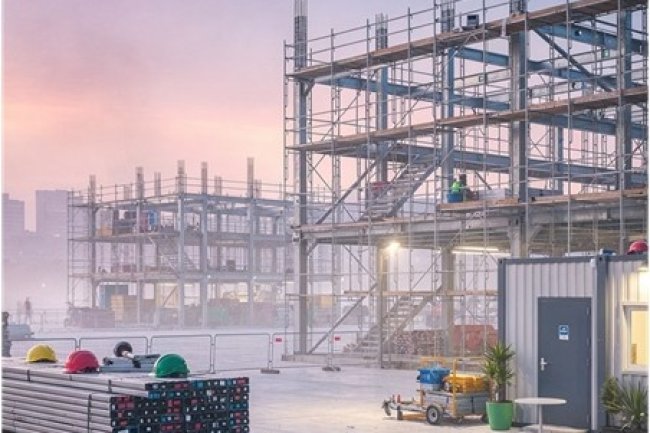
Transforming Skylines: Light Gauge Steel Rooftop Extensions
Explore how innovative light gauge steel construction revolutionizes urban densification. This presentation delves into the engineering advantages, accelerated timelines, and significant value proposition these extensions offer for maximizing space and creating sustainable, modern living and working environments in city centers.
Maximizing Urban Space Through Vertical Expansion
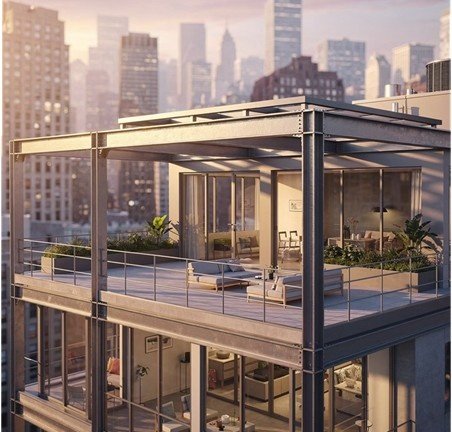
As cities grow denser and real estate prices climb, property owners and developers are increasingly looking upward for solutions. Rooftop extensions offer a practical answer to space constraints without expanding a building's footprint. Among the construction materials available, light gauge steel framing has emerged as the preferred choice for these vertical additions.
This approach addresses urban densification challenges while creating valuable new space. Whether adding residential units, office space, or amenity areas, rooftop extensions maximize existing structures. Light gauge steel's unique properties make it particularly well-suited for this application, offering structural efficiency, speed of installation, and design flexibility that traditional materials simply cannot match.
Why Light Gauge Steel Dominates Rooftop Construction
Weight Advantages
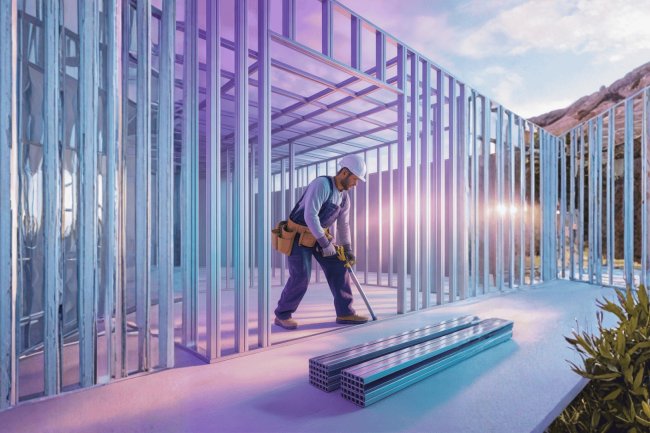
Light gauge steel weighs significantly less than concrete or traditional wood framing. This reduced load is critical for rooftop additions, where existing structures must support the new construction without costly foundation reinforcement. The material's strength-to-weight ratio allows for expanded space without compromising structural integrity.
Speed of Assembly
Pre-engineered steel components arrive on-site ready for installation, dramatically reducing construction timelines. This prefabrication approach minimizes on-site labor, weather delays, and disruption to building occupants. Projects that might take months with traditional methods can be completed in weeks with light gauge steel systems.
Design Flexibility
Steel framing accommodates diverse architectural visions, from contemporary glass-walled penthouses to traditional residential styles. The material's versatility allows designers to create open floor plans, large window openings, and complex geometries without the limitations imposed by load-bearing wall requirements.
Structural review and load analysis
BIM modeling and detailed drawings
Pre-engineering and component build
On-site assembly and integration
Before breaking ground, engineers must conduct comprehensive structural assessments of the existing building. This analysis determines load-bearing capacity, identifies potential reinforcement needs, and establishes parameters for the new construction.
Building Information Modeling plays a crucial role in this process. BIM technology allows teams to visualize the extension in context, identify conflicts before construction begins, and coordinate mechanical, electrical, and plumbing systems efficiently. This digital-first approach reduces errors and streamlines the approval process with building officials.
The Engineering Process Behind Rooftop Extensions
Assessment
Design
Fabrication
Installation
Critical Engineering Considerations
Practical Advantages for Project Stakeholders
Cost Efficiency
Reduced labor requirements and faster installation translate directly to lower overall project costs. The material's durability minimizes long-term maintenance expenses, while energy-efficient design options can significantly reduce operational costs over the building's lifetime.
Minimal Disruption
Unlike ground-level additions, rooftop construction causes less interference with daily building operations. Residents and tenants can continue normal activities while work proceeds above. This advantage is particularly valuable for commercial properties where downtime equals lost revenue.
Sustainability Profile
Steel is one of the most recycled materials globally, making it an environmentally responsible choice. Light gauge steel framing supports high-performance insulation systems, contributing to improved energy efficiency and reduced carbon footprints for the extended structure.
Partnering With Specialized Engineering Firms
Successfully executing rooftop extensions requires expertise across multiple disciplines. Companies like Consac provide comprehensive architectural, engineering, and digital solutions that address every phase of the project lifecycle. From initial feasibility studies through final detailing and shop drawings, specialized firms bring the technical knowledge necessary to navigate complex structural challenges.
The integration of CAD and BIM services ensures precise coordination between design intent and fabrication reality. Steel detailing requires meticulous attention to connection details, load paths, and tolerance specifications. Experienced engineering teams understand how to optimize framing layouts for both structural performance and constructability.
What to Look For
Beyond technical expertise, these partnerships provide valuable guidance on code compliance, permitting processes, and coordination with local authorities. This comprehensive support helps project teams avoid costly delays and redesigns.
Common Challenges and Practical Solutions
Overcoming Project Obstacles
Every rooftop extension presents unique challenges that require creative problem-solving. Existing structural limitations may necessitate selective reinforcement of columns or foundations. Experienced engineers can often find efficient solutions that avoid expensive wholesale strengthening.
Logistics pose another common hurdle. Moving materials and equipment to rooftop locations requires careful planning and coordination. Prefabrication minimizes the volume of materials requiring vertical transport, while strategic crane placement and lift planning ensure efficient material flow.
Weather protection becomes more critical at elevated locations. Proper detailing of connections, use of corrosion-resistant coatings, and attention to water management protect the structure and extend its service life.
Light gauge steel framing has proven itself as the optimal solution for rooftop extensions in urban environments. Its combination of structural efficiency, installation speed, and design versatility addresses the core challenges of vertical densification. As cities continue to grow and available land becomes scarcer, these vertical additions will play an increasingly important role in meeting space demands.
Engage structural engineers early to evaluate your building's capacity for rooftop additions and identify any necessary modifications.
Work with experienced architects and engineers to create comprehensive plans that integrate structural, mechanical, and architectural systems.
Navigate local building codes and zoning requirements with help from professionals familiar with your jurisdiction.
Partner with qualified contractors experienced in light gauge steel construction and rooftop work to bring your vision to reality.
Whether you're a developer looking to maximize property value, a facility planner addressing space constraints, or a design professional exploring innovative solutions, light gauge steel rooftop extensions offer a proven path to creating valuable new space efficiently and economically.
Moving Forward With Your Rooftop Extension Project
Conduct Feasibility Assessment
Develop Detailed Design
Secure Permits and Approvals
Execute With Precision
What's Your Reaction?