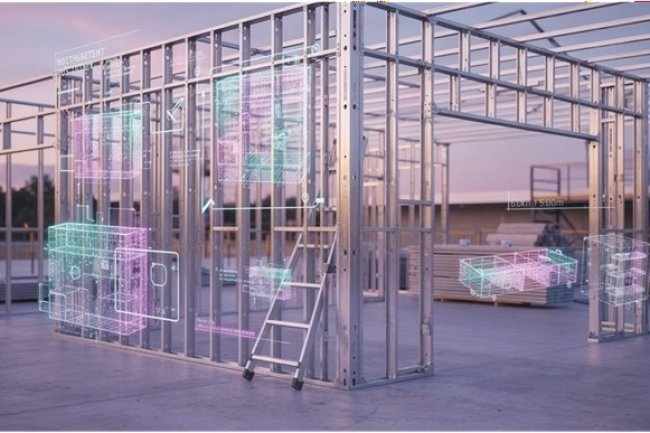
Deflection Control Strategies in Light Gauge Steel Floors
Light gauge steel (LGS) floor systems are gaining popularity in modern construction due to their strength-to-weight ratio, design flexibility, and speed of installation. However, one of the most critical challenges engineers face with these systems is managing deflection—the amount a floor bends under load. Excessive deflection can lead to cracked finishes, vibration issues, and occupant discomfort, even when the structure remains structurally sound. Understanding and implementing effective deflection control strategies is essential for delivering high-performance buildings that meet both code requirements and user expectations.
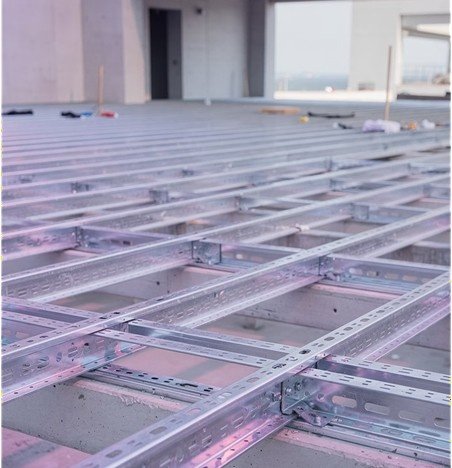
Understanding Deflection in LGS Floor Systems
What Is Deflection?
Deflection refers to the vertical displacement of a structural member under applied loads. In floor systems, this includes live loads from occupants and furniture, as well as dead loads from the floor assembly itself. While some deflection is normal and expected, excessive movement can compromise serviceability.
Building codes typically limit deflection to L/360 for live loads and L/240 for total loads, where L represents the span length. However, these are minimum requirements — many applications demand stricter criteria to prevent damage to finishes or reduce vibration perception.
Why LGS Floors Need Extra Attention
Light gauge steel members are thinner and lighter than traditional structural steel or wood, making them more susceptible to deflection. Their high strength allows for longer spans, but this can amplify deflection concerns.
The key is balancing material efficiency with performance through strategic design approaches that address both static deflection and dynamic floor response.
The most effective way to control deflection is increasing joist depth. Deflection varies with the cube of the depth, so even modest increases yield significant stiffness improvements. Specify deeper joists where ceiling height permits, or use bulkheads strategically to accommodate critical spans.
Decreasing the spacing between joists distributes loads more evenly and reduces individual member deflection. While this adds material cost, it's often more economical than increasing depth when headroom is limited. Common spacings range from 12 to 24 inches on center.
Connecting the floor deck to joists creates composite behavior, where both elements work together to resist loads. This significantly increases stiffness without changing member sizes. Proper shear connection details are critical for achieving full composite action.
Lateral bracing between joists prevents twisting and distributes loads laterally, reducing deflection. Install bridging at mid-span for joists over 12 feet, and use solid blocking at support points to maintain alignment and transfer loads effectively.
Key Deflection Control Strategies
Increase Member Depth
Reduce Joist Spacing
Use Composite Action
Add Bridging and Blocking
Advanced Design Considerations
Vibration Control Beyond Static Deflection
Modern floor design must address both static deflection and dynamic response. Occupants are highly sensitive to floor vibrations, particularly in office buildings, hospitals, and residential spaces. Even floors that meet deflection limits may feel “bouncy” if natural frequencies fall within the range of human activity (typically 4–8 Hz).
Design for adequate stiffness to push natural frequencies above this range, or add damping through ceiling systems and finishes. Companies like Consac incorporate advanced structural analysis and BIM coordination to predict and mitigate vibration issues during the design phase, ensuring optimal performance before construction begins.
Specify Higher Grade Steel
Using higher yield strength steel allows for thinner webs and flanges while maintaining strength. However, modulus of elasticity remains constant across grades, so deflection control still requires adequate section properties — strength alone won't solve stiffness issues.
Optimize Span Arrangements
Strategic beam and girder placement can dramatically reduce joist spans. Analyze tributary areas and consider adding intermediate supports where architectural layouts permit. This often proves more cost-effective than upgrading all joists to handle longer spans.
Material Selection and Detailing
Cold-Formed Steel Profiles
Select joist profiles specifically designed for floor applications. C-sections and back-to-back C-sections offer excellent bending resistance. Track the thickness carefully — small gauge reductions significantly impact stiffness. Standard gauges range from 12 to 20, with 14 and 16 being common for floor joists.
Connection Details Matter
Proper connections ensure load transfer and composite action. Use approved fastening patterns for deck-to-joist connections, and detail bearing conditions to prevent web crippling. Avoid eccentric loading that can induce torsion and increase deflection beyond calculated values.
Topping Considerations
Concrete or gypsum toppings add dead load but significantly increase stiffness when properly bonded to the deck. Account for construction sequencing and wet load conditions in deflection calculations.
Serviceability Checks
Always perform separate serviceability limit state checks in addition to strength verification. Deflection criteria are often more stringent than strength requirements for LGS floors.
Common Mistakes to Avoid
Ignoring Construction Loads
Wet concrete, stored materials, and equipment during construction can exceed design live loads. Always check deflection under construction conditions and provide adequate shoring if needed. Failure to do so can cause permanent set in the steel.
Neglecting Vibration Analysis
Meeting static deflection limits doesn't guarantee acceptable floor performance. Long-span floors supporting rhythmic activities or sensitive equipment require dynamic analysis to ensure occupant comfort and equipment functionality.
Inadequate Lateral Bracing
Unbraced compression flanges can buckle laterally, reducing effective stiffness and load capacity. Install continuous lateral restraint through deck attachment or discrete bridging per design calculations and manufacturer recommendations.
Overlooking Finish Compatibility
Brittle finishes like ceramic tile require stricter deflection limits than carpet or vinyl. Coordinate deflection criteria with architectural finish schedules to prevent cracking and ensure long-term durability of all building components.
BIM and Computational Tools for Deflection Analysis
Modern deflection control relies heavily on computational tools that model complex load interactions and member behavior. Building Information Modeling (BIM) platforms integrated with structural analysis software allow engineers to visualize deflection patterns, identify problem areas, and test multiple design scenarios efficiently.
Advanced finite element analysis (FEA) can capture nuanced behaviors like local buckling, composite action efficiency, and dynamic response characteristics. These tools enable parametric studies where engineers adjust member sizes, spacing, and support conditions to optimize performance while controlling costs.
Model the System
Create accurate 3D models with correct section properties, material properties, and boundary conditions.
Apply Load Cases
Include dead loads, live loads, construction loads, and appropriate load combinations according to design codes.
Analyze and Iterate
Review deflection results, identify non-compliant areas, and adjust member sizes, spacing, or support conditions to improve performance.
Coordinate with Trades
Use BIM clash detection to ensure structural depth accommodates HVAC, electrical, and plumbing systems without compromising structural performance.
Delivering High-Performance LGS Floors
Effective deflection control in light gauge steel floors requires a comprehensive approach that balances structural efficiency, constructability, and long-term performance. By understanding the fundamental principles of deflection, applying proven design strategies, and leveraging modern computational tools, engineers can deliver floor systems that meet rigorous performance standards while optimizing material use.
The key is proactive design — addressing deflection concerns early in the process rather than as an afterthought. This includes careful member selection, strategic detailing, thorough analysis, and coordination with other building systems. When properly designed and detailed, LGS floor systems provide exceptional value, combining light weight, fast installation, and reliable performance across a wide range of building types.
Plan for Performance
Establish deflection criteria based on finishes, occupancy, and owner expectations before beginning design.
Design Holistically
Consider static deflection, dynamic response, and construction conditions in an integrated analysis approach.
Detail Carefully
Ensure connections, bracing, and composite action details are properly specified and coordinated with construction drawings.
What's Your Reaction?