Light Gauge Steel in Hospitality Projects
Discover how innovative light gauge steel (LGS) framing solutions are transforming hotel and resort construction. LGS offers unparalleled benefits, enabling faster project completion and greater design freedom. It provides superior structural performance while aligning with modern construction demands for efficiency and sustainability.
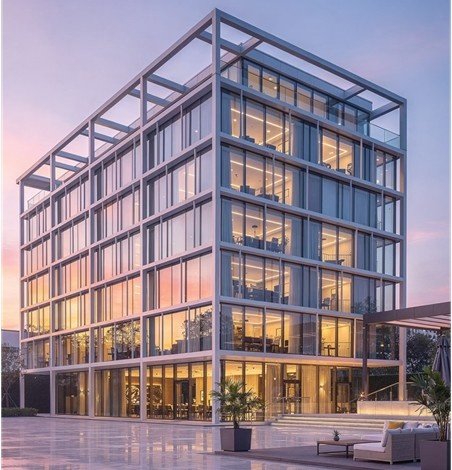
Prefabricated steel components arrive on site with exacting tolerances, ensuring consistent room dimensions and reducing field adjustments. This precision translates to faster MEP installation and improved coordination across trades.
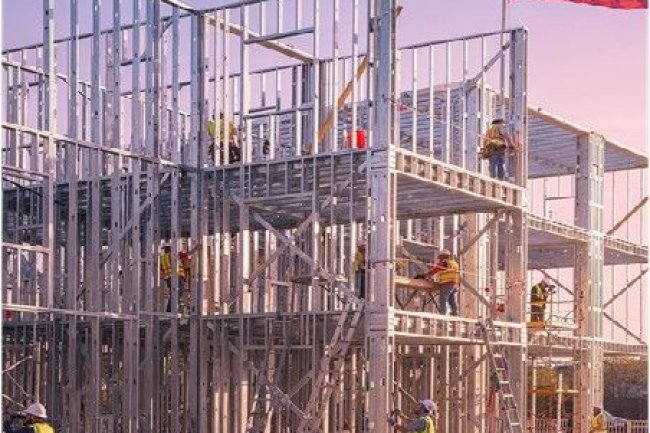
LGS framing can reduce construction timelines by 30–40% compared to traditional methods. Pre-engineered panels and standardized connections enable multiple floors to progress simultaneously — critical for revenue-focused hospitality projects.
Steel is 100% recyclable and generates minimal waste during fabrication and installation. Many hospitality brands pursuing LEED certification find LGS systems contribute valuable credits while reducing environmental impact.
Why Light Gauge Steel Excels in Hospitality Construction
Dimensional Precision
Accelerated Schedules
Sustainable Building
Design Flexibility That Drives Guest Experience
Modern hospitality design requires adaptability to accommodate diverse room configurations, from compact urban suites to expansive resort villas. Light gauge steel's strength-to-weight ratio enables longer spans and more open floor plans without intermediate support columns that constrain layouts.
Architects value compatibility with various cladding systems—from traditional brick facades to contemporary metal panels and curtain walls—allowing distinctive exterior expressions while maintaining efficient structural systems.
Key Design Advantages
Interior designers benefit from non-load-bearing partitions that can be easily modified during renovations. As guest preferences evolve, hotels can reconfigure spaces to create larger suites, add amenities, or redesign public areas without major structural interventions.
Longer clear spans reduce columns in ballrooms and meeting spaces
Lighter weight enables additions on existing structures
Consistent framing depth simplifies ceiling design and MEP coordination
Rapid installation minimizes disruption to adjacent occupied spaces
Coordinate models and clash checks
Fabricate frames with QA controls
Staged logistics and erection
Integrate systems and final fit-out
Successful implementation of light gauge steel in hospitality projects requires careful coordination between design teams, fabricators, and contractors. Building Information Modeling (BIM) plays a crucial role in resolving conflicts before fabrication begins, ensuring that structural framing, mechanical systems, and architectural features work seamlessly together.
Companies like Consac leverage advanced digital tools to optimize steel detailing and coordinate complex assemblies, reducing costly field modifications and accelerating project delivery.
Engineering Considerations for Hospitality Applications
Design & BIM
Prefabrication
Delivery & Install
MEP & Finishes
Addressing Common Performance Requirements
Light gauge steel has proven itself as a superior framing solution for hospitality projects that demand design flexibility, construction efficiency, and long-term performance. Its precision manufacturing, rapid installation, and adaptability align perfectly with the industry's need to deliver high-quality spaces on aggressive timelines.
For your next hotel or resort project, consider how LGS systems can streamline construction, reduce costs, and enable the architectural vision that sets your property apart. Engaging experienced engineering partners early ensures optimal structural solutions that support both construction goals and long-term operational flexibility.
Involve structural engineers and fabricators during schematic design to optimize layouts and identify cost savings.
Use 3D modeling to resolve conflicts between framing, MEP systems, and architectural features before fabrication.
Clearly define acoustic, fire, and structural performance criteria to ensure assemblies meet hospitality standards.
Moving Forward with Steel-Framed Hospitality Design
Engage Steel Specialists Early
Leverage BIM Coordination
Specify Performance Requirements
What's Your Reaction?