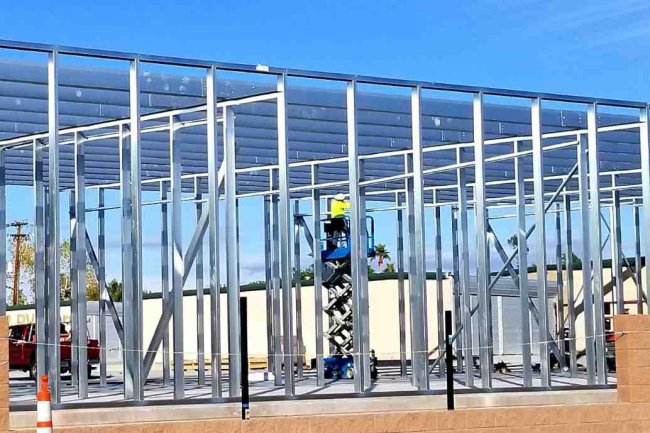
How to Estimate Joist & Deck Projects Accurately
Master the art of precise joist and deck estimation to deliver projects on time and within budget. This guide walks you through proven strategies for accurate takeoffs and cost projections.

Why Accurate Estimation Matters
The Cost of Errors
Estimation mistakes in joist and deck projects can lead to significant financial losses, project delays, and strained client relationships. A single miscalculation in material quantities can cascade into scheduling conflicts and budget overruns.
Studies show that estimation errors account for up to 30% of construction project cost overruns. For joist systems, where precision is critical, these errors are particularly costly.
The Benefits of Precision
Accurate takeoffs enable better material procurement, reduce waste, and improve project timelines. They also strengthen your competitive position by allowing you to bid confidently while maintaining healthy profit margins.
Teams that invest in robust estimation processes report fewer change orders, improved cash flow, and higher client satisfaction rates throughout the project lifecycle.
Understanding Joist Systems
Open-Web Steel Joists
Lightweight structural members used for floor and roof systems. These joists offer excellent span capabilities and cost efficiency. Understanding load ratings, depth requirements, and spacing is essential for accurate quantity takeoffs.
Wood I-Joists
Engineered lumber products combining solid wood flanges with oriented strand board webs. Popular in residential and light commercial applications. Estimation requires careful attention to floor loading, spans, and proper hanger specifications.
Composite Deck Systems
Modern decking solutions combining metal joists with concrete or composite deck panels. These systems require coordination between structural and architectural elements. Accurate estimation includes fasteners, accessories, and installation factors.
Before starting any takeoff, thoroughly review all relevant drawings. Pay special attention to structural plans, architectural floor plans, and reflected ceiling plans. Cross-reference these documents to identify potential conflicts or missing information.
Note standard spacing (typically 16", 19.2", or 24" on center) and any variations. Mark areas with different loading requirements or special conditions that affect joist selection.
Identify walls, beams, and columns that support joists. Understanding load paths helps determine proper joist depths, end reactions, and connection requirements for accurate material counts.
Note mechanical openings, stairs, elevator shafts, and other interruptions. These areas often require headers, trimmers, or custom framing that significantly impact material quantities and labor.
The Foundation: Reading Plans Correctly
Identify Joist Layouts and Spacing Patterns
Locate Bearing Points and Support Conditions
Document Special Conditions and Penetrations
Step-by-Step Estimation Process
Calculate Total Deck Area
Measure or calculate the gross floor area requiring joists. Break complex shapes into manageable rectangles. Don't subtract small openings at this stage—address them later for accuracy.
Determine Joist Quantities
Divide the deck length by joist spacing, then add one. Account for doubled joists at bearing walls and additional framing around openings. This forms your baseline joist count.
Quantify Support Components
Count beams, girders, ledgers, and bridging. Include joist hangers, bearing plates, and connections. Each joist typically needs two hangers plus bridging at specified intervals.
Factor in Accessories and Fasteners
Calculate bridging, strongbacks, and bracing requirements. Estimate fasteners based on connection details. Include temporary shoring or safety equipment if specified in plans.
Add Material Waste Allowance
Include 5-10% waste factor for joists and 10-15% for bridging and accessories. Complex layouts or difficult site conditions may require higher waste percentages.
Apply Labor and Equipment Costs
Estimate installation hours based on joist type, building height, and site access. Include crane time, tools, and safety equipment. Reference historical data for similar projects.
Modern digital tools transform joist takeoffs, enabling accurate estimation, reducing errors, and improving collaboration across project teams.
Modern estimation software allows measurements directly from PDF plans, automatically calculates quantities, and generates detailed reports in minutes. Integration with BIM models provides 3D visualization and clash detection, catching errors before materials are ordered.
Building Information Modeling provides intelligent 3D models containing detailed joist specifications. Extract quantities directly from Revit or other BIM platforms. Accurate BIM models streamline estimation and reduce coordination issues.
Software automatically applies spacing rules, calculates waste factors, and generates cut lists, eliminating manual errors. Cloud platforms enable real-time collaboration between estimators, engineers, and project managers, ensuring everyone works from current information.
Leveraging Technology for Precision
Digital Takeoff Tools
BIM Integration
Automated Calculations & Cloud Collaboration
Key Takeaways for Accurate Joist Estimation
- Invest in Quality Plan Review: Thorough document review is your foundation. Cross-reference structural, architectural, and MEP drawings. Identify conflicts early and request clarifications before estimating. This prevents costly assumptions and change orders.
- Use Proven Calculation Methods: Follow systematic approaches for counting joists, bridging, and connections. Document your assumptions and waste factors. Consistent methodology ensures reliable estimates across all project types and sizes.
- Embrace Digital Tools: Modern software reduces errors and speeds takeoffs significantly. Whether using basic takeoff programs or advanced BIM platforms, technology improves accuracy while freeing time for value engineering and strategic planning.
- Build in Appropriate Contingencies: Every project has unknowns. Include reasonable waste factors, account for site conditions, and document assumptions. Smart contingency planning protects profit margins without inflating bids unnecessarily.
Mastering joist and deck estimation takes practice, but following these principles will dramatically improve your accuracy. Start implementing these strategies on your next takeoff to see immediate results in bid confidence and project profitability.
What's Your Reaction?