Cold Climate Steel Design
Why Cold Climate Performance Matters
COLD
STEEL
❄
Engineering for Extreme Conditions
Buildings Must Perform Reliably Through Every Season
Cold climate construction demands materials that maintain structural integrity through freeze-thaw cycles, heavy snow loads, and temperature extremes ranging from -40°F to summer highs. Traditional building materials often struggle with expansion, contraction, and moisture-related failures.
ICE
01
The Challenge
Extreme Environmental Demands
Cold-region buildings face continuous exposure to freeze-thaw cycles, snow accumulation, ice loading, moisture infiltration, and dramatic seasonal temperature swings. These conditions demand carefully engineered structural systems that deliver reliable long-term performance.
LGS
02
The Opportunity
Engineered Light Gauge Steel Solutions
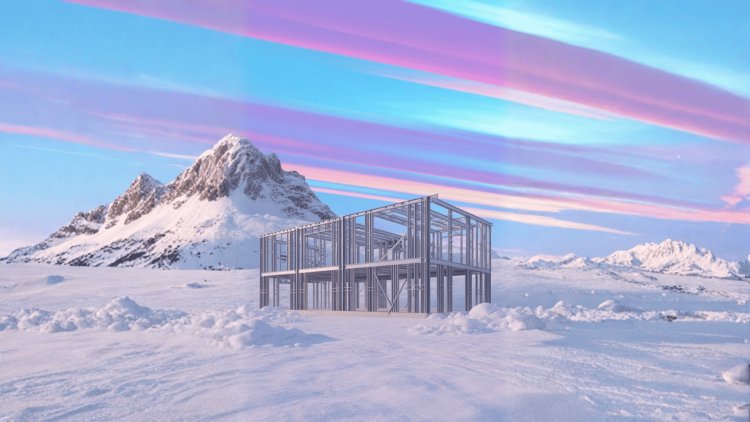
Light gauge steel offers a compelling alternative for cold climate construction, delivering strength, dimensional stability, and resilience when properly engineered, insulated, and detailed for demanding environmental conditions.
RISK
SNOW
What's At Stake
Performance Factors That Determine Long-Term Success
Structural Safety
Reliable performance under snow and ice loading conditions.
Long-Term Durability
Resistance to weather-related deterioration and seasonal stress.
Energy Efficiency
Enhanced thermal performance and occupant comfort.
Lifecycle Costs
Reduced maintenance, improved constructability, and schedule certainty.
Key Performance Advantages
Why Light Gauge Steel Excels
Dimensional Stability
Unlike wood, light gauge steel doesn’t warp, twist, or shrink under moisture or temperature changes. This consistency ensures structural integrity season after season.
Material Durability
Steel framing members are non-combustible and resistant to rot, mold, and pest damage — common concerns in cold climates where moisture infiltration can compromise building envelopes.
High Strength-to-Weight Ratio
Steel’s superior strength allows for wider spans and efficient load distribution, particularly important when designing for heavy snow loads common in northern regions.
Cold Climate Engineering
Critical Design Considerations
DESIGN
COLD
❄
Thermal • Moisture • Performance
Engineering Details Determine Cold Climate Success
HEAT
01
Energy Performance
Thermal Bridging Management
Steel's high thermal conductivity requires strategic insulation placement and thermal breaks to prevent heat loss through the structural frame.
INSUL
02
Building Envelope
Continuous Insulation Strategy
Exterior continuous insulation wraps the building envelope, minimizing thermal bridging while preserving structural efficiency and comfort.
VAPOR
03
Durability Protection
Moisture Control Systems
Proper vapor barriers and air sealing prevent condensation within wall assemblies, especially in regions with large indoor-outdoor temperature differences.
DETAIL
04
Structural Detailing
Connection Details
All fasteners, clips, and connections must accommodate thermal movement while preventing moisture infiltration and maintaining envelope integrity.
Engineering for Snow and Wind Loads
Precision Steel Solutions for Cold Climates
Cold climate structures face unique loading scenarios requiring precise engineering. Ground snow loads can exceed 100 psf in mountainous regions, while wind-driven snow creates uneven roof distributions. Light gauge steel’s predictable strength allows engineers to model load paths, design efficient connections, and optimize member sizing using advanced structural analysis software.
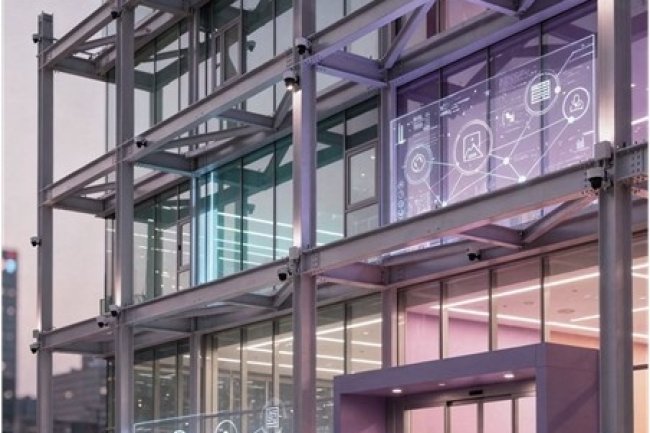
Companies like Consac leverage BIM technology to coordinate steel framing with architectural and MEP systems, ensuring every connection point is engineered for both gravity and lateral loads while maintaining thermal performance of the building envelope.
100+
PSF Snow Load
Common in mountain regions.
50%
Stronger
Than equivalent wood framing.
Cold Climate Construction
Installation Best Practices
BUILD
1
COLD
Weather Preparedness
Cold Weather Protocols
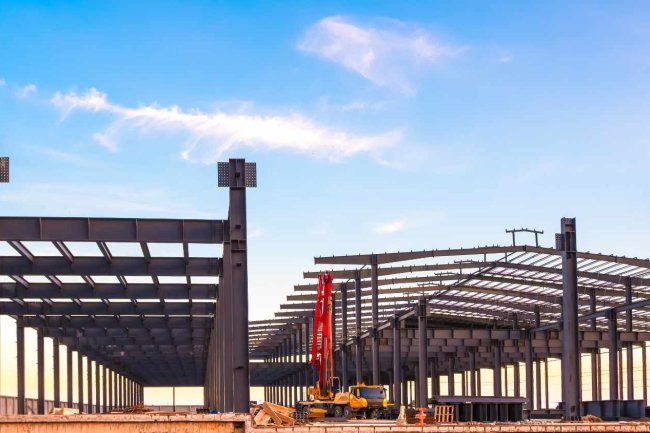
Steel can be safely installed in subzero temperatures, but fasteners, adhesives, and sealants require cold-weather-rated products. Plan schedules around shorter daylight hours and potential weather delays.
2
QA
Inspection & Verification
Quality Control Checkpoints
Inspect all connections for proper alignment and fastener installation. Verify thermal break continuity and insulation placement before enclosing wall assemblies.
3
TEAM
Collaborative Construction
Coordination with Other Trades
Coordinate steel framing installation with roofing, insulation, and cladding teams to maintain weather-tight conditions throughout construction and minimize rework.
Long-Term Performance Benefits
Sustainable Steel Advantages
Energy Efficiency
With thermal breaks and continuous insulation, steel buildings achieve excellent energy performance, reducing heating costs across the building’s lifecycle.
Reduced Maintenance
Steel resists moisture, pests, and structural degradation, minimizing repairs and replacements — especially valuable in harsh climates with limited seasonal access.
Sustainability Advantages
Steel is 100% recyclable and often contains recycled content. Its durability reduces lifecycle waste, aligning with modern green building goals.
Beyond upfront savings, light gauge steel ensures long-term performance through energy efficiency, reduced maintenance, and sustainability — making it a future-ready choice for healthcare and commercial facilities.
Cold Climate Construction Strategy
Key Takeaways for Your Next Project
PLAN
R
01
Energy Efficiency Focus
Prioritize Thermal Performance
Work with experienced engineers to develop comprehensive thermal bridging solutions that maintain both structural integrity and energy efficiency objectives.
LOAD
02
Climate-Based Engineering
Plan for Load Conditions
Use local climate data to accurately model snow, wind, and seismic loads. Avoid relying on generic assumptions for demanding cold-climate applications.
BIM
03
Digital Project Delivery
Leverage Digital Coordination
Use BIM models and detailed shop drawings to coordinate steel framing with enclosure systems before fabrication, reducing field conflicts and installation risks.
PRO
04
Team Expertise
Choose Experienced Partners
Select fabricators and detailers with proven cold-climate experience who understand thermal performance, moisture control, and structural requirements unique to extreme environments.
STEEL
WINTER
Final Project Recommendation
Success Comes from Engineering, Coordination, and Experience
Light gauge steel can deliver exceptional cold-climate performance when thermal design, moisture management, structural loading, and construction coordination are addressed as a complete system. By combining climate-specific engineering with digital collaboration and experienced partners, project teams can achieve superior durability, energy efficiency, and long-term value.