Coordination Between Trades in Light Gauge Steel Construction
In the fast-paced world of modern construction, light gauge steel framing has become a go-to solution for its speed, precision, and structural efficiency. But here is the challenge: steel construction involves multiple trades working in tight spaces, often simultaneously. Without proper coordination, even the best-designed project can face costly delays, rework, and safety issues. This is where smart coordination becomes not just helpful, but essential.
Why Trade Coordination Matters More Than Ever
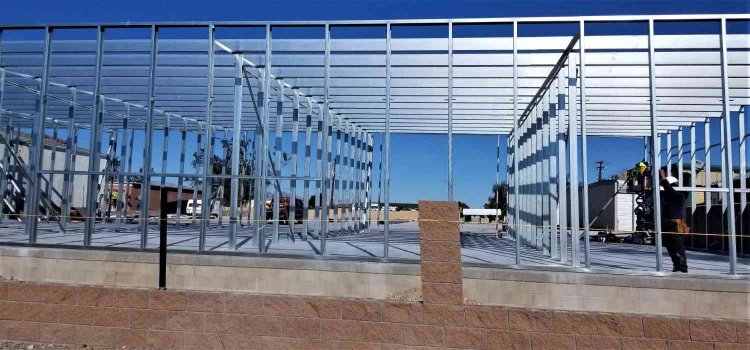
Light gauge steel construction moves fast—much faster than traditional methods. Steel studs go up quickly, but that speed creates a coordination challenge. Electrical conduits, plumbing lines, HVAC ducts, and fire protection systems all need to pass through the same wall cavities and ceiling spaces.
When trades don't coordinate effectively, you get conflicts: a steel stud placed exactly where a plumbing stack needs to go, or MEP penetrations that compromise structural integrity. These issues don't just slow progress—they require expensive fixes and can compromise building performance.
The Stakes Are High
- Schedule delays of 15–30%
- Budget overruns from rework
- Safety hazards on site
- Compromised structural performance
- Strained contractor relationships
Successful coordination starts with understanding who needs to work together. In light gauge steel projects, several trades must synchronize their activities from design through installation.
They set the stage by establishing the structural framework. Their layout decisions affect every trade that follows, making early involvement critical.
Managing conduit routing, panel locations, and penetrations through steel members requires precise planning to avoid structural conflicts.
HVAC systems demand significant space. Coordinating duct runs, equipment locations, and access points with steel framing is non-negotiable.
Water and waste lines must navigate through steel framing without compromising member integrity or creating future maintenance issues.
The Key Players in Steel Construction Coordination
Steel Framers
Electrical Contractors
Mechanical Teams
Plumbing Trades
Proven Strategies for Seamless Trade Coordination
Start Early
Involve all trades during design development, not just before construction. Early input prevents conflicts before they're built into the design.
Regular Coordination Meetings
Weekly coordination sessions keep everyone aligned. Use these meetings to review upcoming work, resolve conflicts, and update schedules.
Clear Documentation
Maintain detailed records of coordination decisions, approved penetration locations, and field modifications. This creates accountability and reference for future phases.
Establish Priorities
Define which systems take precedence when conflicts arise. Typically: structure first, then life safety systems, followed by MEP based on difficulty of relocation.
The Role of Digital Coordination Tools
Beyond BIM, several digital tools enhance trade coordination in steel construction projects. Cloud-based collaboration platforms allow real-time updates and field access to coordination models. Mobile apps enable on-site teams to view coordinated drawings, report conflicts, and document changes instantly.
Automated clash detection software runs continuously, flagging new conflicts as models are updated. This prevents the "design by latest date" problem where trades make changes without checking impacts on others.
Key Technologies
Reality capture technology—using laser scanning or photogrammetry—verifies as-built conditions match coordinated models. This is especially valuable when existing conditions affect coordination decisions or when verifying that installations match approved coordination.
Building Success Through Coordination
Effective coordination between trades isn't just a nice-to-have in light gauge steel construction—it's the foundation of project success. When framers, electricians, plumbers, and mechanical contractors work in sync, projects stay on schedule, within budget, and deliver the quality owners expect.
Invest in Early Planning
The time spent coordinating during design pays dividends throughout construction.
Leverage Technology
Use BIM and digital coordination tools to identify conflicts before they reach the field.
Communicate Constantly
Regular coordination meetings keep all trades aligned and prevent surprises.
Document Everything
Clear records of coordination decisions protect all parties and guide future work.
The construction industry continues evolving toward more integrated, coordinated approaches. Projects that embrace comprehensive trade coordination from day one consistently outperform those that don't—delivering better buildings, faster timelines, and stronger partnerships across the entire project team.
What's Your Reaction?