Corrosion Protection Strategies for Light Gauge Steel
Light gauge steel framing has become the backbone of modern construction—offering strength, speed, and design flexibility. But there’s a challenge that can compromise its long-term performance: corrosion. Understanding how to protect steel from environmental degradation isn’t just about extending material life—it’s about safeguarding structural integrity, reducing maintenance costs, and ensuring projects meet durability standards.
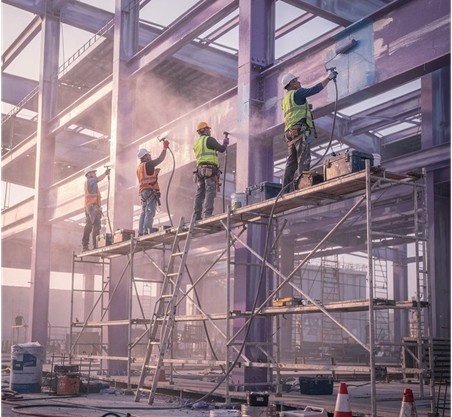
Understanding Corrosion in Light Gauge Steel Systems
| Corrosion occurs when steel reacts with moisture, oxygen, and environmental contaminants, forming iron oxide—commonly known as rust. In light gauge steel framing, this process can weaken structural members, compromise load-bearing capacity, and create costly maintenance issues over time. The risk varies significantly based on environmental conditions. Coastal projects face salt spray exposure, industrial facilities contend with chemical atmospheres, and even interior spaces with high humidity can accelerate corrosion if protection measures aren’t properly specified. |
|
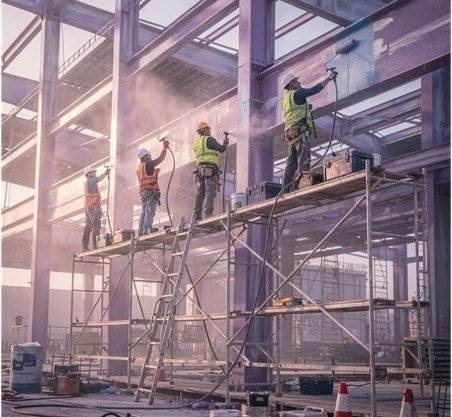
Key Factors That Accelerate Steel Corrosion
Moisture Exposure
Persistent dampness from condensation, leaks, or high humidity creates ideal conditions for oxidation. Poor ventilation in wall cavities or roof assemblies can trap moisture against steel components.
Galvanic Reactions
When dissimilar metals come into contact in the presence of an electrolyte, galvanic corrosion can occur. This is particularly relevant when connecting steel to copper, aluminum, or other metals.
Chemical Contact
Exposure to acids, alkalis, or chlorides—whether from industrial processes, de-icing salts, or coastal environments—significantly accelerates the corrosion rate of unprotected steel.
Temperature Cycling
Repeated freeze-thaw cycles and temperature fluctuations can break down protective coatings and create microcracks that allow moisture penetration into the steel substrate.
Primary Protection Methods: Coating Technologies
The foundation of corrosion protection begins at the manufacturing stage with metallic and organic coatings. Galvanization applies a zinc layer that acts as a sacrificial anode, corroding preferentially to protect the underlying steel.
Hot-Dip Galvanizing
Provides the most durable zinc coating (typically 1–3 oz/ft²) with excellent adhesion and uniform coverage, ideal for high-exposure environments.
Electrogalvanizing
Delivers thinner, more controlled zinc layers suitable for indoor applications or where coating thickness requires precise specification.
Galvannealing
Combines galvanizing with heat treatment to create a zinc-iron alloy surface that offers superior paint adhesion for architectural finishes.
Advanced Coating Systems and Surface Treatments
|
|
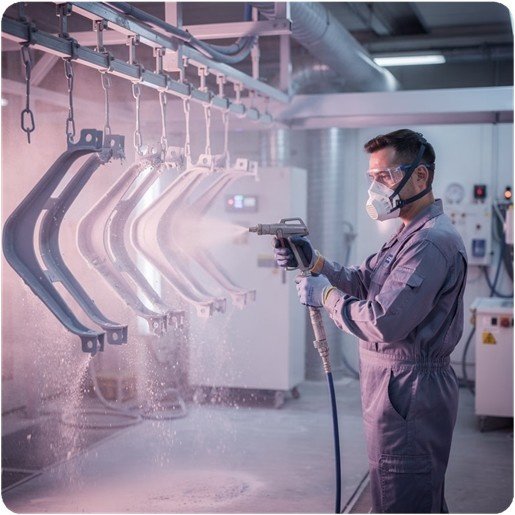
Multi-Layer Protection Strategies For demanding environments, combining multiple protective layers creates redundant defense mechanisms. Zinc-rich primers, epoxy intermediates, and polyurethane topcoats work together to provide barrier protection, corrosion inhibition, and UV resistance. Powder coating technology has gained traction for light gauge steel in architectural applications, offering excellent durability, environmental benefits, and a wide range of aesthetic finishes. When applied over galvanized substrates, powder coatings create a robust duplex system. Emerging nanotechnology coatings promise even greater protection in ultra-thin layers, while sacrificial zinc-rich paints can provide galvanic protection similar to hot-dip galvanizing for field repairs or touch-ups. |
Design Considerations for Long-Term Durability
Material Selection and Specification
Choose coating thickness and type based on anticipated exposure conditions. ASTM A653 provides standard coating designations—G90 (0.90 oz/ft² zinc) works for most indoor applications, while G235 offers enhanced protection for moderate exterior exposure. Coastal and industrial environments may require heavier coatings or stainless steel alternatives.
Isolation from Dissimilar Materials
Use non-conductive separators, isolation washers, or barrier coatings when steel must connect to dissimilar metals. This prevents galvanic corrosion at critical connection points that could otherwise become long-term failure zones.
Detailing to Prevent Moisture Entrapment
Design assemblies that promote drainage and ventilation. Avoid pockets where water can collect against steel members. Detail connections to prevent capillary action from drawing moisture into joints. When working with partners like Consac for structural detailing and BIM coordination, these moisture management strategies should be embedded in the digital model from the earliest design stages.
Accessibility for Inspection and Maintenance
Design assemblies that allow periodic inspection of steel components, particularly in high-risk areas. Include access panels or removable covers where appropriate, enabling maintenance teams to assess coating condition and perform repairs before significant degradation occurs.
Installation Best Practices and Field Protection
Protecting Coatings During Construction
Even the best factory-applied coatings can be compromised during handling, transportation, and installation. Implement damage prevention protocols including proper material storage, careful handling procedures, and immediate repair of coating damage using compatible zinc-rich repair compounds.
Environmental Control During Installation
Moisture management doesn’t begin after construction—it starts during framing. Implement temporary weather protection, ensure adequate site drainage, and avoid prolonged exposure of framed steel to standing water or extreme weather conditions before building enclosure is complete.
-
Store materials elevated and covered to prevent ground moisture contact
-
Avoid dragging or dropping steel members that could abrade coatings
-
Protect cut edges and drilled holes with zinc-rich paint or cold galvanizing compounds
-
Inspect and repair any coating damage before enclosure or concealment
Building Corrosion Resistance Into Your Next Project
Effective corrosion protection for light gauge steel isn't a single decision—it's a comprehensive strategy spanning material selection, design detailing, installation practices, and long-term maintenance planning. By understanding environmental challenges and implementing appropriate protective measures, you can ensure structural steel performs reliably for decades.
Specify Appropriately
Match coating systems to exposure conditions and project requirements. 01
Design for Durability
Integrate moisture management and material compatibility into details. 02
Protect in the Field
Implement careful handling and immediate repair protocols during construction. 03
Plan for Maintenance
Design for inspectability and long-term coating system performance. 04
Whether you're a project manager coordinating multi-disciplinary teams, a design engineer specifying structural systems, or a detailer developing shop drawings, understanding these corrosion protection principles helps deliver more resilient, cost-effective building solutions. The investment in proper protection measures today prevents costly repairs, maintains structural integrity, and extends the service life of light gauge steel framing systems well into the future.
What's Your Reaction?