Life Cycle Assessment of Light Gauge Steel Structures
Understanding the environmental impact of building materials has become essential in today's construction industry. As green building practices gain momentum, light gauge steel structures are emerging as a sustainable alternative that balances performance with environmental responsibility
What Is Life Cycle Assessment and Why Does It Matter?
Life Cycle Assessment (LCA) is a comprehensive methodology that evaluates the environmental impact of a building material or system from cradle to grave. For light gauge steel structures, this means examining every phase: raw material extraction, manufacturing, transportation, construction, operation, maintenance, and eventual demolition or recycling.
In an era where carbon neutrality targets are reshaping the construction landscape, LCA provides quantifiable data that helps architects, engineers, and developers make informed decisions. It moves sustainability from abstract concepts to measurable outcomes, enabling teams to compare alternatives and optimize designs for minimal environmental impact.
01 — Material Extraction
Mining and raw material sourcing
02 — Manufacturing
Steel production and forming
03 — Construction
Transportation and assembly
04 — Use Phase
Building operation and maintenance
05 — End of Life
Demolition and recycling
The Carbon Footprint of Light Gauge Steel: Breaking Down the Numbers
Light gauge steel framing offers a compelling environmental profile when analyzed through the LCA lens. The manufacturing process has evolved significantly, with modern steel mills achieving remarkable efficiency gains through advanced production techniques and increased use of electric arc furnaces powered by renewable energy.
One of steel's most significant advantages is its recyclability. Steel can be recycled indefinitely without losing structural integrity, and current industry data shows that steel framing typically contains 25-90% recycled content depending on the product and manufacturer. At end of life, nearly 98% of structural steel is recovered and recycled, creating a closed-loop material cycle that dramatically reduces embodied carbon over multiple building lifecycles.
90%Recyclable ContentMaximum recycled material in modern steel products |
98%Recovery RateSteel recovered at building end of life |
30%Carbon ReductionLower emissions vs. traditional materials when recycling is factored |
Key Environmental Benefits Throughout the Building Lifecycle
Manufacturing Efficiency
Controlled factory production minimizes waste, with scrap rates typically under 2% compared to 10–15% for on-site timber cutting. Precision manufacturing also ensures consistent quality and reduces construction errors.
Transportation Impact
Light gauge steel’s high strength-to-weight ratio reduces transportation emissions. A single truck can carry framing for an entire house, lowering fuel consumption and delivery trips compared to heavier materials.
Operational Performance
Steel framing enables advanced insulation techniques and tight building envelopes, reducing heating and cooling energy by 20–40%. Over the building’s life, these savings far exceed initial embodied carbon impacts.
End-of-Life Recovery
Steel components are easily identified, separated, and recycled. Unlike composite materials that go to landfills, steel returns to the production cycle, preserving embodied energy and reducing demand for virgin materials.
Implementing LCA in Your Next Project: Practical Strategies
For project managers and design engineers looking to incorporate LCA into their workflow, the process begins during schematic design. Early material selection has the greatest impact on a building's carbon footprint, yet this is often when sustainability considerations are overlooked in favor of cost and schedule pressures.
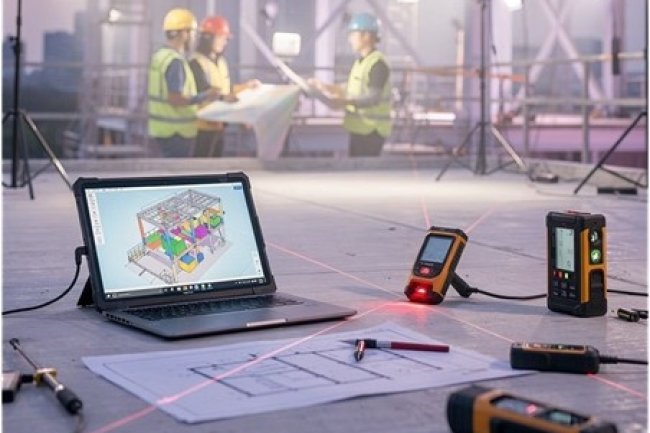
Working with experienced partners like Consac, who understand both the technical requirements and sustainability implications of light gauge steel systems, can streamline this process significantly. Their engineering and digital solutions teams can model different framing scenarios, quantify environmental impacts, and optimize designs for both performance and sustainability goals.
Set Clear Metrics
Define sustainability targets early — embodied carbon limits, recycled content minimums, and green certification requirements such as LEED or BREEAM. Clear benchmarks align teams and guide material decisions.
Collaborate Across Teams
Bring together architects, structural engineers, MEP designers, and contractors to identify integrated solutions that reduce overall environmental impact and avoid siloed decision-making.
Conduct Early Analysis
Use LCA software and industry databases to evaluate material alternatives during design development — not as an afterthought during documentation. Early insights prevent costly redesign.
Document and Verify
Maintain detailed records of material sources, recycled content, and transportation distances. Third-party verification strengthens sustainability claims and supports certification.
The Evolving Landscape of Sustainable Steel Construction
The steel industry is undergoing a transformative shift toward carbon neutrality. Major producers are investing billions in hydrogen-based steelmaking, carbon capture technologies, and renewable energy integration. These innovations promise to reduce steel's embodied carbon by 50–95% within the next two decades.
For designers and builders, this evolution means that light gauge steel structures specified today will benefit from an increasingly sustainable supply chain. Buildings designed for disassembly and material recovery will be positioned to take advantage of next-generation low-carbon steel when components reach end of life.
Building codes and green building standards are also evolving to incorporate whole-building LCA requirements. Jurisdictions like California, Oregon, and several European countries now mandate carbon accounting for large projects, making LCA literacy essential for construction professionals.
Steel Sustainability Roadmap
2024–2026
Widespread adoption of Environmental Product Declarations (EPDs) for steel products, providing standardized LCA data for transparent carbon reporting.
2027–2030
Building codes in major markets require whole-building carbon accounting and establish maximum embodied carbon limits for large projects.
2031–2035
First commercial-scale hydrogen-based steel production facilities come online, reducing carbon emissions by approximately 60–80%.
2036–2050
Steel industry achieves near-zero carbon production through renewable energy, circular economy practices, and large-scale material reuse.
Making the Sustainable Choice: Your Next Steps
Life Cycle Assessment transforms sustainability from aspirational goals into actionable design decisions. For light gauge steel structures, the data is compelling: when evaluated across their full lifecycle—from responsible sourcing and efficient manufacturing through decades of reliable performance to eventual recycling—these systems deliver environmental benefits that align with both current green building standards and future carbon reduction targets.
As project managers, engineers, and design professionals navigate increasingly complex sustainability requirements, understanding LCA principles and material impacts becomes essential. The construction industry's path to carbon neutrality depends on informed material choices, integrated design thinking, and partnerships with teams who can deliver both technical excellence and environmental responsibility.
Evaluate Early
Integrate LCA into your design process from day one, comparing alternatives when changes are still feasible and cost-effective.
Design for Longevity
Specify durable, adaptable systems that extend building lifespan and support future disassembly and material recovery.
Demand Transparency
Request Environmental Product Declarations from material suppliers and verify recycled content claims with third-party documentation.
Partner Strategically
Work with engineering and detailing firms experienced in sustainable design who can optimize both performance and environmental outcomes.
What's Your Reaction?