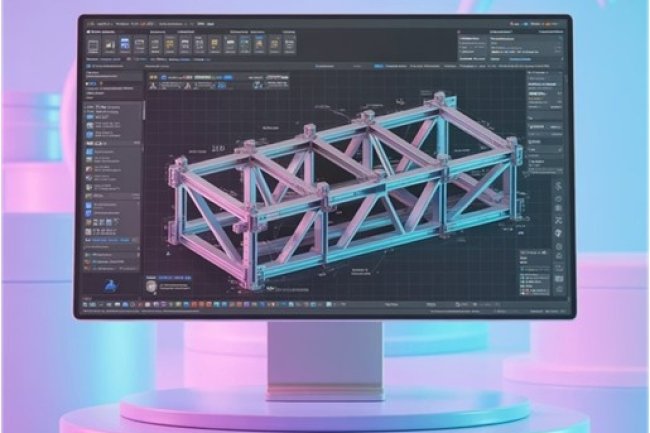
Hybrid Systems: Combining Light Gauge Steel with Other Materials
Innovative design solutions for architects and contractors looking to maximize structural performance, reduce costs, and expand design possibilities in contemporary construction.

The Evolution of Construction Material Integration
The construction industry is witnessing a transformative shift toward hybrid building systems that strategically combine light gauge steel (LGS) with complementary materials like wood, concrete, masonry, and advanced composites. This approach isn’t just about mixing materials—it’s about leveraging the unique strengths of each component to create structures that are stronger, more efficient, and more adaptable than traditional single-material systems.
Light gauge steel, known for its high strength-to-weight ratio, precision, and dimensional stability, serves as an ideal foundation for hybrid construction. When paired thoughtfully with other materials, it opens new possibilities for architects, engineers, and contractors to deliver projects that meet increasingly complex performance requirements while maintaining cost effectiveness and construction efficiency.
Understanding Hybrid Construction Systems
What Makes a System “Hybrid”?
A hybrid construction system intentionally integrates two or more distinct structural materials within a single building or component. Each material is selected to perform specific functions based on its inherent properties. The objective is achieving synergistic performance—delivering strength, efficiency, and resilience beyond what any single material could provide alone.
Why Light Gauge Steel?
Light Gauge Steel (LGS) offers exceptional versatility as a hybrid system backbone. Its prefabricated precision, lightweight nature, rapid installation, and seamless compatibility with digital design and BIM tools make it an ideal partner for integration with traditional and innovative materials across residential, commercial, and industrial applications.
Why Hybrid Systems Outperform Single-Material Approaches
1. Optimized Structural Performance
Each material handles what it does best—steel provides tensile strength and precise framing, while concrete or masonry contributes compressive strength and mass. This targeted material selection results in more efficient structural systems with reduced material waste.
2. Enhanced Thermal & Acoustic Properties
Combining light gauge steel with insulated panels, wood sheathing, or concrete elements creates superior building envelopes. This integration addresses thermal bridging concerns inherent in all-steel systems while maintaining the precision and stability steel provides.
3. Accelerated Construction Timelines
Prefabricated steel components arrive ready for rapid assembly, while complementary materials like precast concrete or engineered wood panels keep pace. This parallel workflow significantly reduces on-site construction time compared to traditional methods.
Common Hybrid Material Combinations
LGS + Wood Framing
Combines steel’s structural integrity in load-bearing applications with wood’s thermal performance and traditional aesthetic appeal. Ideal for residential and mid-rise multi-family projects where fire resistance and dimensional stability are key priorities.
LGS + Concrete
Steel framing provides vertical support and lateral stability, while concrete floors and cores contribute mass, acoustic dampening, and inherent fire resistance. Well suited for commercial, parking, and mixed-use buildings.
LGS + Masonry / Brick
Steel framing delivers the structural framework, while masonry adds traditional aesthetics, thermal mass, and long-term weather resistance. Common in commercial facades and institutional buildings where durability matters.
Implementing Hybrid Systems in Your Next Project
1. Contractor Coordination
Success requires clear communication between steel fabricators, general contractors, and specialty trades. Pre-construction meetings should establish sequencing, interface responsibilities, and quality control protocols specific to hybrid assemblies.
Digital Design Integration
Modern hybrid construction relies heavily on Building Information Modeling (BIM) to coordinate complex material interfaces. Digital fabrication and CNC cutting of steel components ensure precision that accommodates tight tolerances required when integrating with other materials.
CAD and BIM workflows enable early clash detection between different material systems, allowing design teams to resolve conflicts before they become expensive field issues. This digital-first approach is essential for maximizing the efficiency advantages hybrid systems offer.
2. Quality Assurance
Implement inspection protocols at material interfaces. Verify proper moisture barriers, thermal breaks, and structural connections as work progresses. Early detection of installation issues prevents costly corrections later.
Engineering Hybrid Systems for Success
Hybrid structural systems demand careful engineering to reconcile material behavior, load transfer, and regulatory requirements. A structured approach ensures performance, durability, and compliance.
Material Compatibility Analysis
Evaluate thermal expansion coefficients, moisture behavior, and long-term dimensional stability of each material. Steel’s minimal movement must be reconciled with wood’s hygroscopic nature or concrete’s curing shrinkage through proper connection detailing and expansion joints.
Connection Design Strategy
Interface connections are critical. Use mechanical fasteners, adhesives, or welded connections appropriate to each material pairing. Firms like Consac specialize in detailing connections that accommodate differential movement while maintaining structural integrity.
Load Path Coordination
Clearly define how loads transfer through the hybrid system. Document which materials carry vertical loads, lateral forces, and how these transition at interfaces. BIM coordination helps visualize and verify load paths before construction begins.
Code Compliance & Testing
Hybrid systems often require additional analysis to satisfy building codes. Fire ratings, structural testing, and thermal performance verification ensure the assembled system meets or exceeds code requirements for the building’s classification.
The Future of Integrated Building Systems
Hybrid systems combining light gauge steel with complementary materials represent the future of efficient, high-performance construction. By leveraging each material’s strengths while mitigating individual weaknesses, these integrated approaches deliver superior structural performance, enhanced sustainability, and expanded design possibilities.
For architects, engineers, and contractors, understanding hybrid system design principles opens new opportunities to deliver innovative projects that meet demanding performance criteria while controlling costs and schedules. The key is thoughtful material selection, rigorous connection design, and seamless coordination through digital tools.
Whether you’re planning a residential development, commercial building, or industrial facility, hybrid systems deserve consideration in your material selection process. The combination of steel’s precision and versatility with the proven performance of traditional materials creates structures built for today’s requirements and tomorrow’s challenges.
What's Your Reaction?