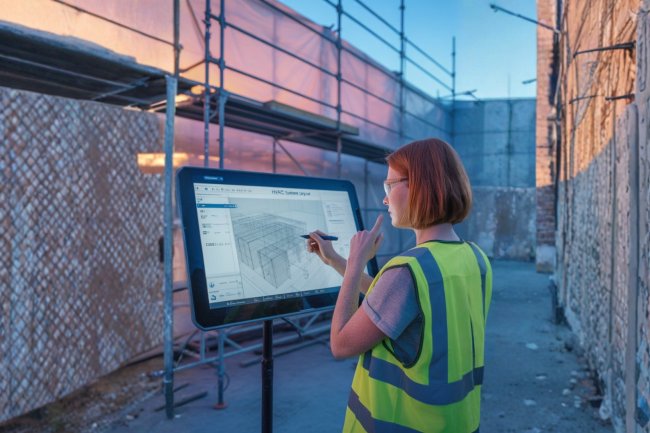
BIM for MEP: Benefits Beyond Coordination
Building Information Modeling has transformed mechanical, electrical, and plumbing design. While clash detection gets all the attention, the real value runs much deeper—impacting project timelines, cost predictability, and long-term facility performance in ways that reshape how we build.

The Hidden Value of MEP-BIM Integration
|
Most teams adopt BIM for MEP coordination to avoid costly clashes between ductwork, piping, and electrical conduits. That's table stakes. But BIM's true power emerges when you look beyond coordination meetings. From fabrication accuracy to energy modeling, from lifecycle maintenance to construction sequencing, BIM creates a data-rich environment that informs better decisions at every project phase. |
|
Design Precision That Pays Dividends
Accurate Quantities
Extract precise material takeoffs directly from the model, reducing estimation errors by up to 15% and eliminating manual count discrepancies.
System Optimization
Visualize routing options in 3D to identify the most efficient paths, reducing material waste and installation time significantly.
Early Issue Detection
Catch design conflicts and space constraints during the design phase, not during construction when changes cost exponentially more.
These capabilities translate directly to budget confidence and fewer change orders— outcomes that matter to owners, contractors, and engineering teams alike.
Fabrication-Ready Models Accelerate Construction
When your BIM model contains fabrication-level detail, you unlock prefabrication and modular construction strategies. Contractors can export spool drawings, hanger locations, and cutting schedules directly from the coordinated model.
This shift from field fabrication to shop fabrication improves quality control, reduces job site congestion, and accelerates installation schedules. Projects using fabrication-ready MEP models report 20–30% faster installation times compared to traditional stick-built approaches.
The result? Shorter construction windows, reduced labor costs, and fewer weather-related delays. For companies like Consac, delivering fabrication-ready models has become a competitive differentiator that general contractors actively seek out.
Energy Analysis and Performance Validation
Beyond Code Compliance — MEP-BIM models feed directly into energy simulation software, allowing engineers to test HVAC strategies, lighting configurations, and thermal performance before breaking ground. You can compare system alternatives, validate equipment sizing, and demonstrate compliance with green building standards — all within the same digital environment.
Model Integration
Export geometry and system parameters to energy analysis tools.
Scenario Testing
Compare HVAC options, lighting schemes, and envelope strategies.
Owner Benefits
Lower operating costs and documented sustainability metrics.
Lifecycle Data That Outlives Construction
1 — Design Phase
Equipment specs, warranty details, and performance data embedded in the model.
2 — Construction
As-built conditions captured digitally with location and installation metadata.
3 — Operations
Facility teams access maintenance schedules, replacement parts, and system documentation.
4 — Renovation
Accurate existing conditions accelerate future upgrade projects.
When you think of BIM as a facility asset—not just a construction deliverable—the return on investment extends decades beyond project closeout. Facility managers gain a living database that supports maintenance planning, space management, and capital improvement budgets.
Collaboration That Breaks Down Silos
Real-Time Coordination
Cloud-based BIM platforms enable mechanical, electrical, and plumbing teams to collaborate within a shared, live model. As design changes are made, updates propagate instantly across disciplines—reducing delays, misunderstandings, and rework.
Key advantages include:
-
Fewer RFIs thanks to improved documentation clarity
-
Faster approval cycles supported by visual, model-based communication
-
Stronger contractor engagement early in design, leading to more informed decisions
Measurable Outcomes
Projects that adopt integrated MEP-BIM workflows consistently achieve quantifiable improvements:
-
40% reduction in coordination meeting durations
-
25% fewer change orders during construction
-
Higher subcontractor confidence in drawings and installation sequences
Integrated collaboration doesn’t just improve communication—it accelerates decision-making and builds trust across the entire project team.
What's Your Reaction?