Steel Deck Modeling in BIM: A Step-by-Step Guide
Transforming structural design with precision, efficiency, and collaboration through intelligent 3D modeling
Why Steel Deck BIM Matters Today
|
|
|
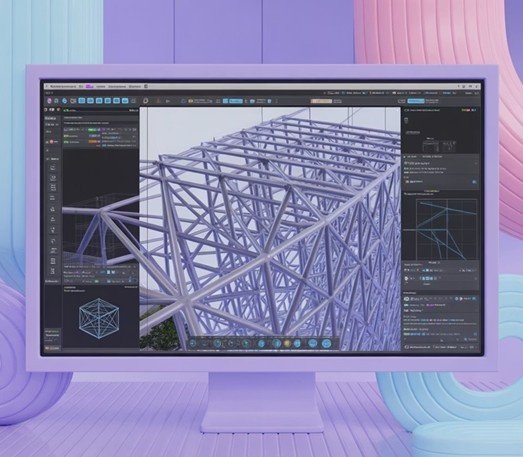
Understanding Steel Deck Components in 3D BIM
Deck Profiles
Model accurate cross-sections including depth, gauge, and rib patterns. Each profile contains specific load-bearing data that influences structural calculations.
Connections & Fasteners
Include welds, screws, and attachment details. These connection points are critical for fabrication shops and field installation teams.
Support Systems
Define joists, beams, and bearing points with precise spacing. BIM automatically checks span limitations and load distribution across the system.
Step 1: Establish Your BIM Workflow Foundation
Configure Software Settings
Load steel deck families or custom profiles into your BIM platform. Ensure material properties, gauge thickness, and span tables are accurately defined in your library.
Coordinate Reference Points
Align your model with structural grids and establish consistent elevation datums. This coordination prevents misalignment issues downstream.
Set Modeling Standards
Establish naming conventions, layer organization, and color coding. Consistency here pays dividends when multiple team members collaborate on the model.
Step 2: Model Steel Deck Geometry with Precision
Intelligent Placement
Begin by sketching deck boundaries aligned to your structural framing. Use BIM tools to automatically extend deck sheets to support centerlines, ensuring proper bearing at each joist or beam.
Deck Direction Matters
Pay attention to deck direction—corrugations must run perpendicular to supports for optimal structural performance. Your BIM software can flag orientation errors before they become field problems.
Layer Integration
Model composite slabs by stacking concrete fill above steel decking. Define proper thickness, reinforcement placement, and shear stud locations. This integration allows accurate quantity takeoffs and structural analysis.
Step 3: Embed Critical Data and Specifications
Material Properties
Link steel grade, coating type, and gauge to each deck element for accurate structural calculations. Embedded data improves analysis and compliance.
Installation Details
Attach fastener schedules, welding patterns, and sequencing requirements to guide field crews. Detailed data reduces installation errors and rework.
Cost Data & Budget Tracking
Integrate unit pricing for real-time budget tracking as design iterations evolve. Financial transparency helps teams make informed design decisions.
Moving Forward with Steel-Framed Hospitality Design
Light gauge steel has proven itself as a superior framing solution for hospitality projects that demand design flexibility, construction efficiency, and long-term performance. Its precision manufacturing, rapid installation, and adaptability align perfectly with the industry's need to deliver high-quality spaces on aggressive timelines.
For your next hotel or resort project, consider how LGS systems can streamline construction, reduce costs, and enable the architectural vision that sets your property apart. Engaging experienced engineering partners early ensures optimal structural solutions that support both construction goals and long-term operational flexibility.
Engage Steel Specialists Early
Involve structural engineers and fabricators during schematic design to optimize layouts and identify cost savings.
Leverage BIM Coordination
Use 3D modeling to resolve conflicts between framing, MEP systems, and architectural features before fabrication.
Specify Performance Requirements
Clearly define acoustic, fire, and structural performance criteria to ensure assemblies meet hospitality standards.
Transform Your Steel Deck Projects with BIM
Steel deck modeling in BIM represents more than a technical upgrade — it is a fundamental shift in how construction teams communicate, coordinate, and deliver projects. By following this step-by-step approach, you will reduce errors, accelerate schedules, and create a single source of truth that serves everyone from engineers to fabricators to installers.
Ready to elevate your steel deck design workflow? Start by auditing your current modeling standards, investing in proper BIM training for your team, and establishing clear coordination protocols with trade partners. The initial effort pays dividends through every phase of your project.
Whether you are modeling a simple roof deck or a complex multi-level structure, these BIM principles ensure precision, efficiency, and confidence from design through construction completion.
What's Your Reaction?