Impact of AI on Light Gauge Steel Design Optimization
Artificial intelligence is revolutionizing how we approach light gauge steel framing, delivering unprecedented efficiency improvements across design, engineering, and fabrication workflows. This technological shift is transforming traditional methods into data-driven, optimized processes that reduce costs, accelerate timelines, and improve structural performance.
The Digital Transformation of Steel Framing
Light gauge steel framing has long been valued for its strength-to-weight ratio, durability, and sustainability. However, traditional design processes often involve manual calculations, iterative revisions, and time-consuming coordination between disciplines.
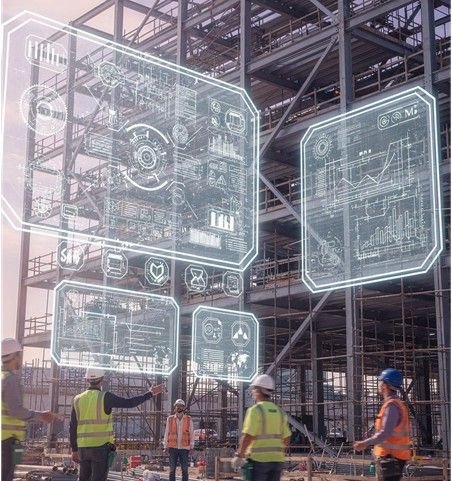
AI-powered tools are changing this paradigm by automating complex calculations, predicting optimal member sizing, and identifying design conflicts before fabrication begins. For project managers, design engineers, and operations leaders, this means faster project delivery with fewer costly surprises.
AI algorithms analyze load paths and automatically recommend the most efficient steel sections, reducing material waste by 15–25% while maintaining structural integrity.
What once took days of manual iteration now happens in minutes. Machine learning models process thousands of design variations to identify optimal solutions quickly.
AI systems continuously monitor designs against building codes and engineering standards, flagging potential violations before they become expensive field corrections.
AI-enhanced platforms integrate directly with BIM workflows, ensuring design data flows seamlessly from concept through fabrication and installation.
How AI Optimizes Steel Design Workflows
Intelligent Member Selection
Accelerated Design Cycles
Enhanced Code Compliance
Seamless BIM Integration
Real-World Applications in Steel Optimization
Predictive Load Analysis
AI systems evaluate structural behavior under various load scenarios, predicting deflection, stress concentrations, and connection performance. This allows engineers to optimize designs for real-world conditions rather than relying solely on conservative assumptions.
Automated Conflict Detection
Machine learning algorithms scan 3D models to identify clashes between steel framing and MEP systems, architectural elements, or adjacent structural components—catching issues that manual reviews might miss.
Material Quantity Optimization
By analyzing entire building systems holistically, AI can suggest strategic changes that reduce overall steel tonnage while maintaining or improving performance. This impacts both project budgets and sustainability metrics.
AI-driven workflows create measurable advantages across the entire steel design and construction ecosystem—empowering both engineering teams and downstream fabrication partners.
AI-optimized designs translate directly into fabrication efficiency. When steel members are right-sized from the start and connection details are clash-free, shop drawing production accelerates and field installation proceeds with fewer modifications.
General contractors benefit from more accurate material takeoffs and scheduling, while product manufacturers can better anticipate demand patterns. The entire supply chain becomes more responsive when design intelligence flows downstream without information loss.
Strategic Advantages for Design Teams
For Engineering Firms
For Contractors & Fabricators
The Consac Approach to AI-Enhanced Engineering
At Consac, we combine architectural precision, engineering rigor, and digital innovation to deliver optimized light gauge steel solutions. Our approach integrates AI-powered design tools with experienced engineering judgment, ensuring that technology enhances rather than replaces human expertise.
We work closely with facility planners, developers, and construction coordinators to implement steel framing systems that meet project-specific requirements while leveraging AI for maximum efficiency. The result is structural systems that perform better, cost less, and install faster—outcomes that matter across every phase of the project lifecycle.
A structured rollout ensures measurable value while building long-term organizational capability.
Identify bottlenecks where AI can deliver immediate value—typically repetitive calculations, automated code checking, and iterative optimization tasks.
Apply AI tools to a single building or project phase to validate benefits before full-scale implementation and minimize risk.
Provide targeted training so engineers, project managers, and CAD technicians understand how to effectively use AI-enhanced platforms.
Track KPIs like design time, material quantities, and revision counts to quantify improvements and continuously refine AI-assisted workflows.
Implementing AI in Your Next Project
Assess Current Workflows
Start with Pilot Projects
Train Teams on New Tools
Measure and Iterate
What's Your Reaction?