10 Tips to Increase Productivity in Engineering Offices
In today’s fast-paced engineering environment, productivity isn’t just about working harder—it’s about working smarter. Whether you’re managing complex infrastructure projects or coordinating multi-discipline design teams, these proven strategies will help your engineering office operate at peak efficiency.
Streamline Communication and Collaboration
Centralize Project Communication
Fragmented communication is the silent killer of engineering productivity. Implement integrated project management platforms that consolidate emails, drawings, specifications, and RFIs in one accessible location.
Clear communication protocols reduce errors, minimize rework, and ensure all team members—from design engineers to general contractors—stay aligned on project objectives and deliverables.
Schedule Focused Collaboration Time
Balance deep work with strategic collaboration. Designate specific times for team meetings and coordination sessions, protecting blocks of uninterrupted time for complex technical work.
This approach allows engineers to tackle detailed calculations, design development, and BIM modeling without constant interruptions, while maintaining essential cross-functional communication.
Modern engineering workflows thrive when technology is integrated thoughtfully. Adopting digital tools boosts efficiency, reduces errors, and frees your team to focus on high-value design and analysis.
Building Information Modeling transforms design coordination. Implement collaborative BIM processes that enable real-time clash detection, automated quantity takeoffs, and seamless interdisciplinary coordination.
Cloud platforms enable remote collaboration, version control, and instant access to project files from any location. This flexibility supports hybrid work models while maintaining security and data integrity.
Identify processes that can be automated—from drawing generation to quality control checks. Automation frees engineers to focus on high-value design work and problem-solving rather than manual, repetitive tasks.
Leverage Technology and Digital Tools
Adopt Advanced BIM Workflows
Embrace Cloud-Based Solutions
Automate Repetitive Tasks
Optimize Workspace and Environment
Design for Focus and Flow
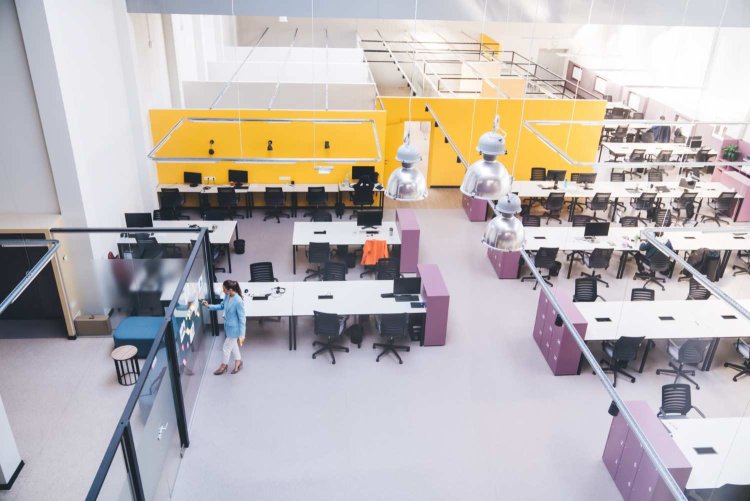
Create workspaces that support different work modes. Provide quiet zones for concentrated technical work, collaborative areas for team coordination, and flexible spaces that adapt to project phases and team dynamics.
Invest in Ergonomic Solutions
Engineering work often requires extended periods at workstations. Quality monitors, adjustable desks, and ergonomic seating reduce fatigue and physical strain, directly impacting both comfort and productivity throughout the workday.
Optimize Lighting and Acoustics
Proper lighting reduces eye strain during detailed drawing review and CAD work. Acoustic treatments minimize distractions in open office environments, creating conditions where engineers can maintain concentration on complex technical challenges.
Creating consistent standards and processes ensures efficiency, accuracy, and seamless collaboration across all CAD and engineering projects.
Standardized layering conventions, naming protocols, and drawing templates ensure consistency across projects and team members. This reduces coordination time and eliminates confusion during design reviews and construction document preparation.
Systematic review processes catch errors before they reach consultants or contractors. Implement phase-specific QC checklists that address common issues in calculations, drawing accuracy, and specification coordination.
Capture institutional knowledge through well-organized technical resources. When experienced engineers document effective approaches to recurring challenges, the entire team benefits from collective expertise and proven solutions.
Establish Clear Standards and Processes
Develop Comprehensive CAD Standards
Create Quality Control Checklists
Document Best Practices
Invest in Professional Development
Continuous Learning Culture
The engineering field evolves rapidly with new technologies, codes, and methodologies. Companies like Consac understand that investing in ongoing training—whether in advanced software, emerging construction methods, or updated building codes—directly translates to more capable teams and higher-quality deliverables. Encourage certifications, conference attendance, and cross-training opportunities. Engineers who expand their expertise bring fresh perspectives to projects and can tackle increasingly complex challenges with confidence. Foster knowledge sharing through lunch-and-learn sessions where team members present recent project innovations or lessons learned. This builds collective capability while strengthening team cohesion.
Manage Time and Priorities Effectively
Implement Time-Blocking Techniques
Dedicate specific time blocks to project phases—schematic design, design development, construction documents. This focused approach prevents task-switching inefficiencies and helps teams maintain momentum through complex deliverables.
Use Project Management Methodologies
Apply proven frameworks like Critical Path Method or Agile principles adapted for engineering workflows. Clear milestone tracking, responsibility assignments, and progress monitoring keep projects on schedule and stakeholders informed.
Conduct Regular Priority Reviews
Engineering offices juggle multiple projects at varying stages. Weekly planning sessions help teams assess workload, redistribute resources as needed, and ensure critical deadlines receive appropriate attention and staffing.
Build in Buffer Time
Realistic scheduling accounts for the unexpected—client revisions, permit comments, or coordination discoveries. Strategic buffer time prevents last-minute rushes that compromise quality and increases team stress unnecessarily.
Tracking performance and refining workflows is essential for maximizing efficiency, reducing errors, and improving overall productivity in engineering operations.
Time Saved Error Reduction Faster Reviews Productivity improvement requires ongoing commitment. Track key performance indicators—project delivery times, revision cycles, budget adherence—to identify opportunities for enhancement. Regularly solicit feedback from project managers, design engineers, and technical staff about workflow bottlenecks or tool limitations.
The most successful engineering offices treat productivity as an evolving discipline, continuously refining their approaches based on data, experience, and emerging industry innovations. By implementing these ten strategies systematically, your engineering team can achieve greater output, higher quality, and improved job satisfaction—creating a competitive advantage in today's demanding marketplace.
Measure, Analyze, and Improve
40%
Through standardized processes and automation
65%
With quality control protocols and BIM coordination
3x
Using collaborative digital platforms versus traditional methods
What's Your Reaction?