Integrating Rebar Detailing with Structural Design
Why coordination matters in modern construction and how it transforms project outcomes
The Foundation of Structural Integrity
|
Rebar detailing and structural design aren’t separate disciplines—they’re two sides of the same coin. When these elements work in harmony, projects run smoother, costs stay controlled, and structural integrity is never compromised. The construction industry has evolved beyond traditional siloed workflows. Today’s successful projects demand seamless integration between design intent and detailing execution, especially when it comes to reinforcement steel. |
|
Why Integration Makes or Breaks Your Project
Clash Detection
Identify conflicts between rebar placement and MEP systems early, reducing rework and schedule delays.
Precision Fabrication
Accurate bar bending schedules and cutting lists reduce material waste by up to 15%.
Faster Approval Cycles
Integrated workflows shorten reviews and accelerate project timelines significantly.
Enhanced Communication
A single source of truth reduces confusion, RFIs, and field errors.
The Power of 3D Rebar Modeling
From 2D Drawings to 3D Intelligence
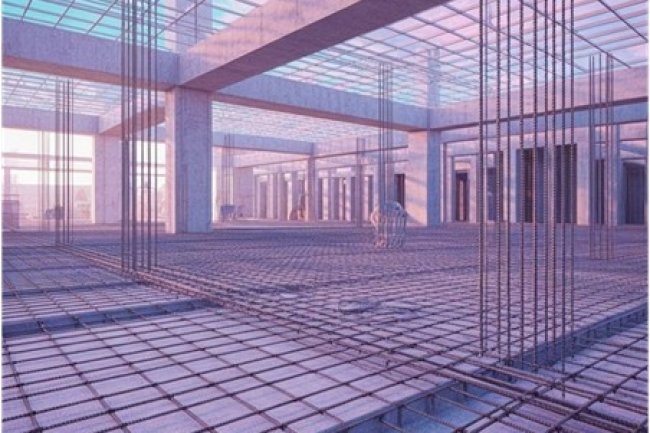
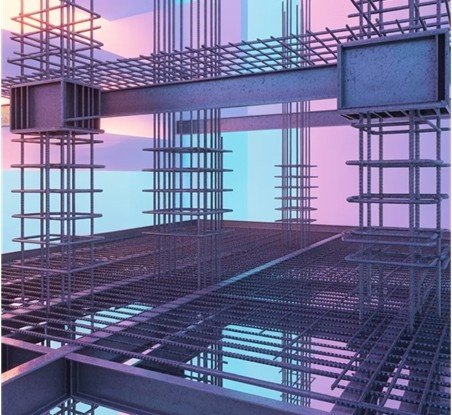
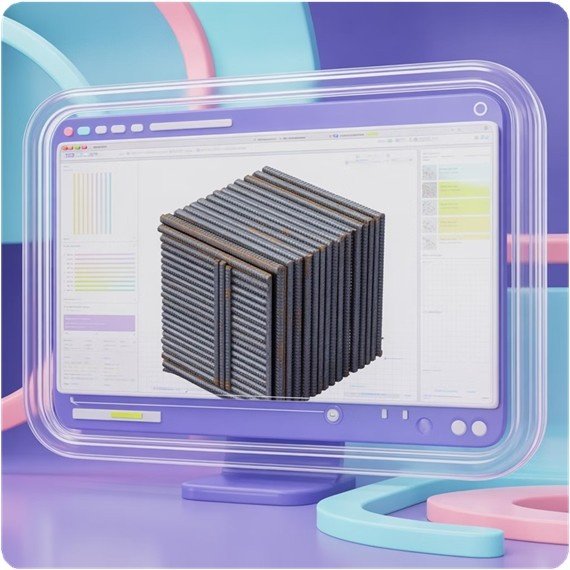
Modern 3D rebar modeling transforms how teams visualize, coordinate, and execute reinforcement work. By creating detailed three-dimensional representations of every bar, bend, and splice, project teams gain unprecedented clarity.
|
|
|
The Traditional Disconnect Problem
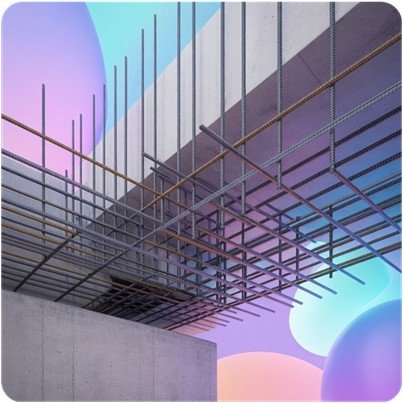
In traditional workflows, structural engineers design the framework while rebar detailers work separately to create shop drawings. This disconnect creates a gap where miscommunication thrives and errors multiply.
Design Phase
Engineers create structural models with general rebar requirements
Detailing Phase
Detailers interpret drawings, often discovering conflicts late
Fabrication Issues
Shop drawings require revisions, delaying procurement and installation
The cost of this disconnect? Rework, schedule delays, budget overruns, and field coordination headaches that could have been avoided with proper integration from day one.
Coordination Best Practices
Early Engagement
Involve rebar detailing specialists during design development, not after construction documents are complete. Early coordination prevents costly redesigns.
Establish Clear Standards
Define modeling protocols, naming conventions, and coordinate systems upfront. Consistency across disciplines ensures smooth integration.
Regular Coordination Meetings
Schedule ongoing coordination sessions where engineers, detailers, and trades review the integrated model together.
Leverage Technology
Use BIM tools that support real-time collaboration and automated clash detection. The right technology multiplies coordination efficiency.
Continuous Quality Checks
Implement review checkpoints throughout the process. Avoid discovering issues only after shop drawings are complete.
Moving Forward: Your Next Steps
Transform Your Coordination Approach
Integration isn't just a buzzword — it's a fundamental shift in how successful construction projects are delivered. Whether you're a project manager planning your next build, a design engineer refining structural systems, or a contractor coordinating trades, prioritizing rebar detailing integration will elevate your project outcomes.
Evaluate Your Current Process
Identify where disconnects occur in your workflow and assess the true cost of coordination gaps
Partner with Specialists
Work with experienced teams who understand both structural design and detailed rebar modeling
Invest in the Right Tools
Equip your team with BIM software and coordination platforms that enable seamless integration
The future of construction belongs to teams that break down silos and embrace coordinated, intelligent workflows. Start integrating rebar detailing with structural design on your next project — your schedule, budget, and field crews will thank you.
What's Your Reaction?