Urban Green Space Design
The Urban Green Space Crisis
CITY
GREEN
01
Space Scarcity Reality
Dense Cities Need Smarter Green Space Solutions
Major U.S. cities face a critical shortage of accessible green space. New York averages just 14 square feet of park space per resident, while San Francisco manages only 4.9 square feet.
This scarcity drives property values up and quality of life down, creating an urgent need for innovative solutions.
14
NY
New York Benchmark
14 Sq. Ft. Per Resident
Limited park access highlights the challenge of creating livable, healthy urban neighborhoods.
4.9
SF
San Francisco Benchmark
4.9 Sq. Ft. Per Resident
High-density cities require creative reuse of rooftops, courtyards, and elevated spaces.
OASIS
02
Transform Underutilized Urban Spaces
Rethinking Where Green Space Can Exist
Traditional parks can't keep pace with urban density. The solution lies in transforming underutilized spaces — rooftops, courtyards, and elevated platforms — into thriving green oases that serve multiple community functions.
85%
GAP
85%
Critical Access Gap
Quality Green Space Must Be Within Walking Distance
85% of Americans living in cities have inadequate access to quality green spaces within walking distance of their homes. This makes compact, well-engineered, and community-focused green interventions essential for healthier urban living.
Multi-Functional Urban Deck Design
Beyond Recreation: Multi-Functional Design Strategies
FARM
Food Production + Community Value
Urban Agriculture Zones
Integrate hydroponic gardens and vertical farming systems that provide fresh produce for local communities while reducing transportation costs and environmental impact. These spaces can generate revenue through community-supported agriculture programs.
RAIN
Water Control + Landscape Beauty
Stormwater Management
Design decks with integrated bioretention systems, permeable surfaces, and rain gardens that capture and filter stormwater runoff. This dual-purpose approach reduces urban flooding while creating beautiful landscape features.
HUB
Flexible Programming + Community Use
Social Connectivity Hubs
Create flexible spaces that adapt from morning yoga classes to evening community meetings. Modular seating, retractable canopies, and integrated technology support diverse programming throughout the day.
SOLAR
Renewable Energy + Resilience
Energy Generation
Incorporate solar canopies and wind micro-turbines that provide renewable energy while offering shade and weather protection. These installations can offset building energy costs and contribute to grid resilience.
Multi-Use Outdoor Deck Engineering
Engineering Considerations for Multi-Use Deck Design
01
Load Capacity and Dynamic Forces
Structural Load Assessment
Calculate live loads for diverse activities including gatherings, equipment installations, and seasonal snow loads. Consider dynamic loads from wind uplift and seismic forces, especially for elevated installations.
02
02
Moisture Protection and Drainage
Waterproofing and Drainage
Design robust membrane systems with multiple drainage pathways. Integrate green infrastructure elements while maintaining structural integrity and preventing water damage to underlying structures.
03
UTIL
Power, Plumbing, and Data
Utility Integration
Plan electrical, plumbing, and data infrastructure to support multiple functions. Consider future adaptability with accessible conduit systems and standardized connection points.
04
04
Durable Performance in Extreme Conditions
Climate Resilience
Select materials and systems that withstand local climate extremes while maintaining performance. Factor in urban heat island effects and increased precipitation intensity.
Sustainable Outdoor Construction
Material Innovation Driving Sustainable Design
ECO
DECK
01
Next-Generation Building Materials
Durable Materials with Lower Environmental Impact
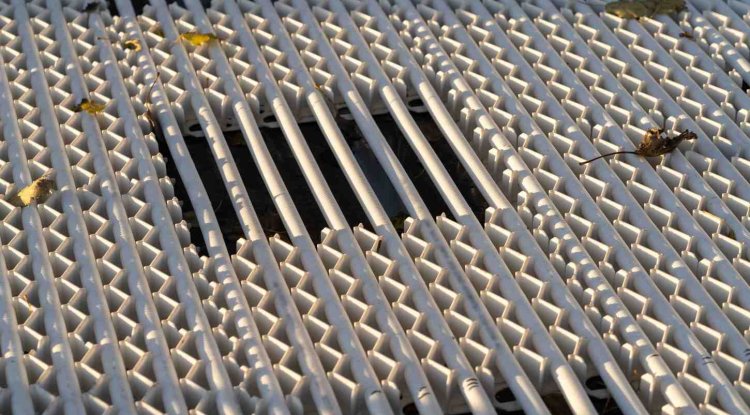
Modern deck construction leverages advanced composite materials that offer superior durability while reducing environmental impact. Cross-laminated timber provides exceptional strength-to-weight ratios, enabling larger spans with smaller structural footprints.
MAT
02
Circular Economy Materials
Built for Harsh Urban Environments
Recycled plastic lumber and bio-based composites offer maintenance-free alternatives that withstand harsh urban environments. These materials support circular economy principles while delivering long-term performance.
Companies like Consac are pioneering integrated design approaches that combine structural engineering expertise with sustainable material selection, ensuring projects meet both performance requirements and environmental goals.
50
CO2
50%
Carbon Reduction
Lower-Carbon Material Choices
Achievable through smart material choices that reduce embodied carbon while maintaining strength, durability, and long-term outdoor performance.
25
25yr
Service Life
Long-Term Performance
A minimum 25-year service life for quality composite systems helps reduce replacement cycles, maintenance demands, and lifecycle costs.
Urban Green Space Case Studies
Implementation Success Stories
NYC
FARM
01
Productive Rooftop Transformation
Brooklyn Navy Yard, NYC
Transformed industrial rooftops into 65,000 square feet of productive green space, generating over $1 million in annual agricultural revenue while providing community programming space for 500+ residents.
65K
65K
Square Feet Created
Productive Urban Green Space
Rooftop infrastructure became a revenue-generating landscape with community programming value.
$1M
$1M+
Annual Agricultural Revenue
Green Infrastructure with ROI
Multi-functional rooftop spaces can deliver both environmental and economic returns.
READ
Learning, Events, Agriculture
Seattle Central Library
Integrated deck systems serve as outdoor reading spaces, event venues, and urban farms, reducing building energy costs by 30% through passive cooling and renewable energy generation.
ROOF
Stormwater, Habitat, Cooling
Chicago City Hall Green Roof
Multi-functional deck design reduced stormwater runoff by 75% while providing habitat for urban wildlife and reducing surrounding air temperatures by up to 9°F during peak summer conditions.