How Cold-Formed Steel Shapes Modern Architecture
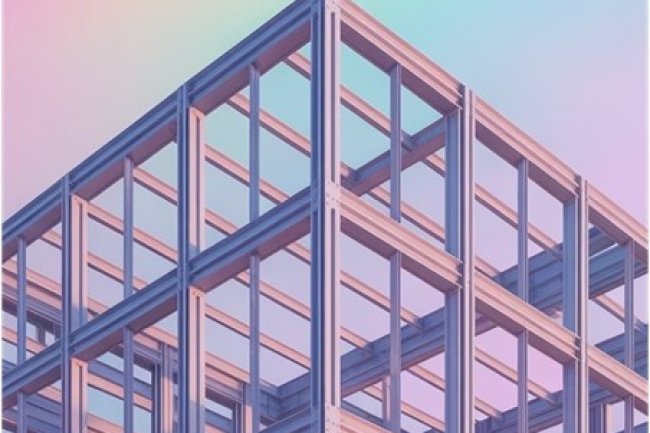
Cold-formed steel is transforming the way structures are designed and built. From residential homes to commercial complexes, this lightweight yet strong material provides architects and engineers with exceptional flexibility while meeting strict building codes and sustainability requirements.
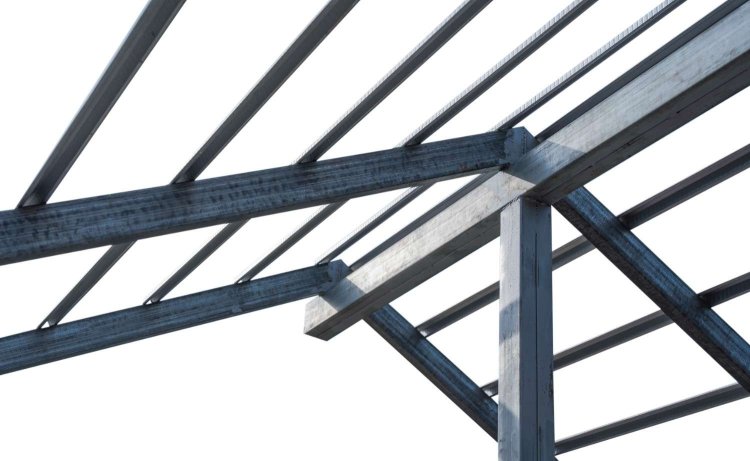
What Makes Cold-Formed Steel Different?
Comparing traditional hot-rolled steel with cold-formed steel (CFS) highlights why CFS is a game-changer for modern construction.
Traditional Hot-Rolled Steel
Heated to extreme temperatures during manufacturing, resulting in heavier structural members. Typically used for large-scale projects requiring massive load-bearing capacity.
- Higher material costs
- Limited shape variations
- Requires heavy equipment for installation
Cold-Formed Steel (CFS)
Shaped at room temperature through press-braking or roll-forming thin steel sheets. Creates lighter, more versatile components ideal for modern construction.
- Cost-effective material usage
- Infinite design possibilities
- Faster, easier installation process
CFS framing weighs significantly less than traditional materials while maintaining structural integrity. This reduces foundation requirements and overall building weight, particularly valuable in seismic zones or projects with soil limitations.
Engineers can create custom profiles and shapes that match exact project specifications. This precision enables innovative architectural forms that would be difficult or impossible with conventional framing materials.
Steel is infinitely recyclable without quality loss. CFS products often contain 25-100% recycled content and generate minimal waste during fabrication. Buildings earn LEED credits for responsible material sourcing.
Architectural Advantages Driving Adoption
Lightweight Performance
Design Flexibility
Sustainability Benefits
CFS enables faster construction timelines for apartments and condominiums. Prefabricated wall panels arrive ready for assembly, reducing on-site labor costs and weather delays. The non-combustible nature of steel provides enhanced fire resistance between units.
Office buildings, retail centers, and hotels benefit from CFS's ability to span wide distances with minimal columns. This creates flexible floor plans that can adapt to tenant needs over the building's lifetime. Integrated pathways simplify electrical and HVAC installations.
Hospitals and clinics require precision construction that accommodates complex mechanical systems. CFS framing provides dimensional accuracy for medical equipment installation while meeting strict hygiene and infection control standards through smooth, sealed surfaces.
Schools and universities utilize CFS for quick expansion projects during summer breaks. The material's strength-to-weight ratio allows construction of multi-story buildings without extensive foundation work, preserving more campus green space.
Real-World Applications Across Building Types
01. Multi-Family Residential
02. Commercial Buildings
03. Healthcare Facilities
04. Educational Institutions
Engineering Considerations for Project Success
Load Path Analysis
Successful cold-formed steel (CFS) projects require careful attention to how forces transfer through the structure. Engineers must account for wind loads, seismic activity, and dead loads when specifying member sizes and connection details.
Connection Design
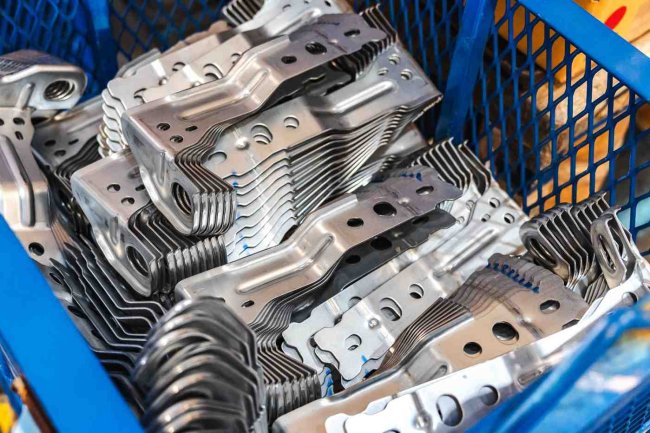
Unlike welded hot-rolled steel, CFS typically uses screws, bolts, or clinching. Connection strength depends on fastener type, spacing, and edge distances. Proper detailing prevents local buckling at connection points.
Thermal Performance
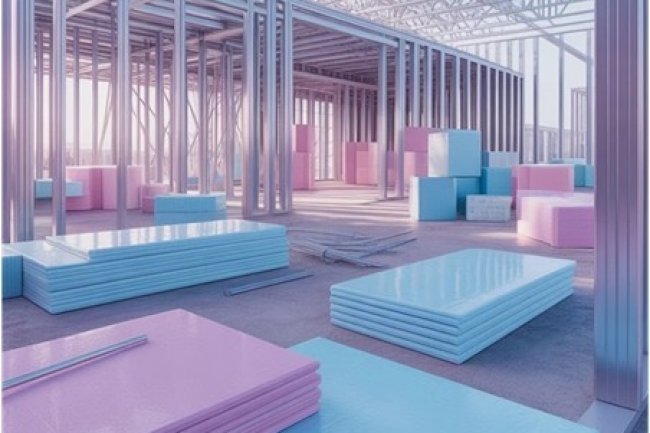
Steel’s high thermal conductivity requires strategic insulation placement to prevent thermal bridging. Exterior continuous insulation or broken thermal paths help maintain building envelope performance and ensure compliance with energy codes.
The Digital Design Workflow Revolution
Modern CFS projects leverage Building Information Modeling (BIM) to streamline collaboration between architects, engineers, and fabricators. This digital-first approach catches conflicts before construction begins, saving time and reducing costly field changes.
3D Modeling
Architectural designs translate into detailed structural models with exact member specifications, connection types, and material quantities.
Clash Detection
Automated software identifies where steel framing intersects with MEP systems, allowing designers to adjust before fabrication.
Direct Fabrication
Digital files drive CNC roll-forming equipment, ensuring components match design intent with millimeter-level accuracy.
Companies like Consac specialize in this integrated approach, providing architectural, engineering, and digital solutions that connect design vision with manufacturing reality. Their expertise in CAD, BIM, and structural detailing helps project teams navigate the complexities of modern steel construction.
Material Cost Savings
Compared to traditional framing methods in typical commercial applications
Faster Installation
Reduction in construction timeline due to prefabrication and lighter weight
Less Site Waste
Decrease in construction debris through precise factory cutting
While initial material costs may appear higher than wood framing, total project economics favor CFS when accounting for labor efficiency, reduced callbacks, longer building lifespan, and lower insurance premiums. The non-combustible properties of steel often result in favorable rates from insurance providers.
Cost Analysis: Understanding the Financial Picture
15%
30%
40%
Future Outlook: Where CFS Architecture Is Headed
Emerging Trends
- Modular Construction: Factory-built CFS modules arrive with finishes installed, reducing on-site work to final assembly and connections
- Automated Design: AI-assisted software optimizes member sizing and material usage based on project-specific loads and constraints
- Hybrid Systems: Combining CFS with mass timber or concrete creates structures that leverage each material's strengths
- Advanced Coatings: New protective finishes extend service life in harsh environments and eliminate maintenance requirements
Industry Outlook
As building codes evolve to address climate change and material efficiency, cold-formed steel is positioned to become the standard for mid-rise construction. Its combination of strength, sustainability, and speed aligns perfectly with the construction industry's push toward prefabrication and reduced job-site impacts.
For project teams ready to explore CFS solutions, partnering with experienced engineering firms ensures designs meet structural requirements while optimizing material usage. The future of architecture is lightweight, precise, and increasingly digital—cold-formed steel makes that future possible today.
What's Your Reaction?