Why Cold-Formed Steel Is Ideal for Modern Housing
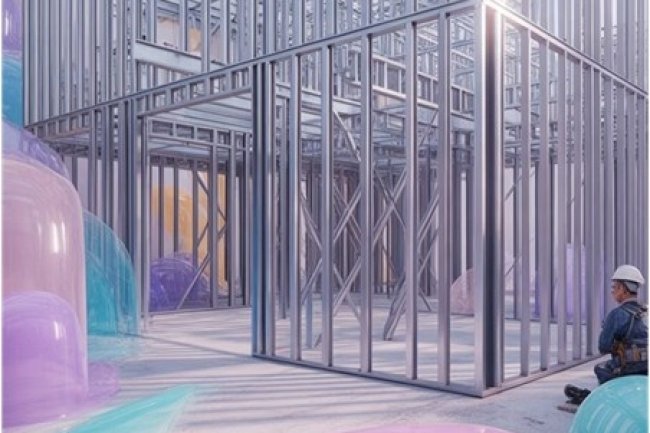
Cold-formed steel (CFS) is revolutionizing residential construction across North America. As the building industry seeks faster, stronger, and more sustainable solutions, CFS has emerged as a compelling alternative to traditional wood framing. This advanced building method combines precision engineering with environmental responsibility, offering developers and contractors a pathway to meet today’s demanding project timelines and performance standards.
Understanding Cold-Formed Steel Construction
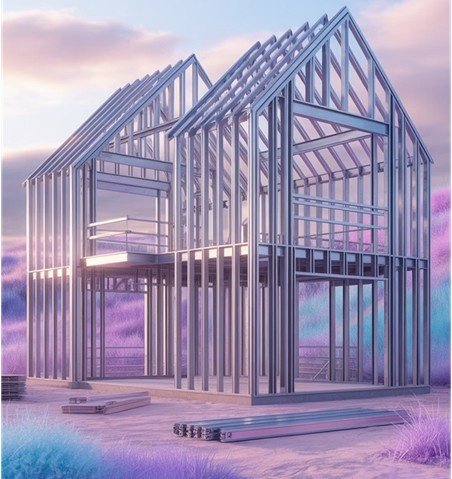
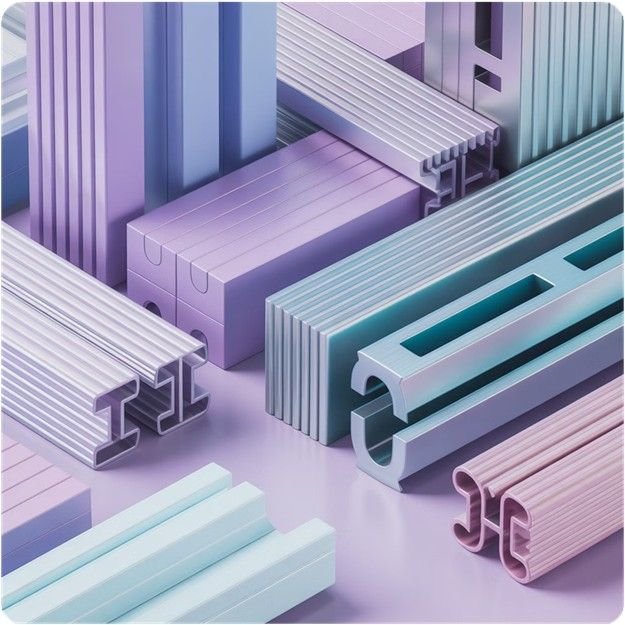
What Is CFS?Cold-formed steel refers to structural-grade steel that is shaped at room temperature through rolling or pressing, creating lightweight yet incredibly strong framing components. Unlike hot-rolled steel used in commercial high-rises, CFS members are specifically designed for residential and light commercial applications. The manufacturing process involves feeding steel coil stock through precision roll-forming machines that create C-shaped studs, tracks, and joists with exact dimensions. This controlled fabrication ensures every piece meets strict tolerances, eliminating the dimensional variations common in wood lumber. The result is a building system that assembles with predictable accuracy, reducing costly field adjustments and installation time. |
|
Key Advantages of CFS Buildings
Superior Strength-to-Weight Ratio
CFS members deliver exceptional load-bearing capacity while remaining significantly lighter than traditional materials. This allows longer spans and flexible floor plans without compromising structural integrity.
Dimensional Precision
Factory-controlled manufacturing produces components with tolerances within 1/16 inch, ensuring straight walls, level floors, and perfectly aligned structural systems that meet strict engineering requirements.
Fire and Pest Resistance
Non-combustible steel framing provides inherent fire resistance and eliminates termites, rot, and mold—reducing long-term maintenance costs and insurance premiums for property owners.
Sustainable Construction Benefits
Sustainable Construction Benefits
Environmental responsibility has become a critical factor in construction decisions, and Cold-Formed Steel (CFS) delivers impressive sustainability credentials. Steel is the most recycled material on Earth, supporting a true circular economy from fabrication to end of life.
Recycled Content
CFS components can contain up to 90% post-consumer recycled steel, significantly reducing raw material extraction.
Recyclability Rate
Steel framing is completely recyclable at the end of a building’s lifecycle without any loss in material quality.
Waste Reduction
Precision manufacturing and prefabrication reduce job site waste by up to 30% compared to traditional framing methods.
Beyond recyclability, CFS construction generates minimal job site waste. Prefabricated components arrive cut to exact lengths, with scrap rates typically under 2%—a dramatic improvement over the 15–20% waste common in wood framing.
Additionally, the dimensional stability of steel prevents warping, twisting, and shrinkage, reducing callbacks and repairs over a building’s lifespan. Fewer repairs mean fewer materials, less labor, and a lower long-term environmental footprint.
Speed and Efficiency in Project Delivery
Accelerated Construction Timelines
Time is money in construction, and CFS framing delivers measurable schedule advantages. Lightweight components allow smaller crews to handle installation, while pre-punched service holes eliminate time-consuming field drilling. Weather delays diminish since steel doesn’t absorb moisture or require drying time before closing in the building envelope.
Digital fabrication workflows further enhance efficiency. When companies like Consac provide detailed BIM models and shop drawings, fabricators can produce precisely cut and labeled components that arrive sequenced for installation. This level of coordination minimizes field questions and reduces the skilled labor hours required for framing.
Project Workflow Overview
1. Design Phase
BIM modeling enables clash detection and optimization before fabrication begins.
2. Fabrication
Automated roll-forming produces components in days rather than weeks.
3. Installation
Pre-labeled, sequenced delivery allows rapid on-site assembly by smaller crews.
4. Close-In
Dimensional accuracy accelerates installation of MEP systems, drywall, and finishes.
Design Flexibility and Innovation
Architects and designers value Cold-Formed Steel (CFS) for its unmatched ability to realize complex geometries and open floor plans that push beyond traditional framing limitations. Its high strength-to-weight ratio enables expansive spaces and bold architectural expression.
Open Concepts
Advanced spanning capabilities support 20-foot+ clear openings without the need for heavy beams, eliminating interior load-bearing walls and enabling fluid, modern layouts.
Cantilevers
Structural efficiency allows for dramatic overhangs and architectural projections that enhance visual impact without excessive structural mass.
Curves & Angles
Cold-formed members can be bent or segmented to accommodate curved walls, angled façades, and non-orthogonal designs with precision.
Seamless System Integration
CFS integrates effortlessly with modern building systems. Factory-punched web openings allow electrical, plumbing, and HVAC services to pass through framing without cutting or field modifications—preserving structural integrity while accelerating installation.
This built-in coordination reduces trade conflicts, shortens construction schedules, and improves overall building performance, including enhanced energy efficiency and superior acoustic separation between living spaces.
Overcoming Common Concerns
Thermal Bridging Solutions
While steel conducts heat, modern construction techniques effectively mitigate thermal bridging through continuous exterior insulation, insulated sheathing, and advanced cavity insulation strategies. When properly detailed, CFS walls achieve R-values equal to or exceeding wood-framed assemblies while maintaining superior air tightness.
Cost Competitiveness
Material costs for CFS typically run 10–15% higher than wood framing, but this premium narrows when total installed cost is considered. Reduced labor hours, minimal waste, fewer callbacks, and lower insurance premiums often result in lower overall project costs and faster return on investment.
Trade Familiarity
The learning curve for crews transitioning from wood to steel framing is short. Screw-fastening replaces nailing, and dimensional consistency simplifies layout and assembly. With training programs and manufacturer support, most crews reach full productivity within their first project.
The Future of Residential Construction
Cold-formed steel construction represents more than an alternative framing method—it’s a fundamental shift toward more sustainable, efficient, and resilient housing. As building codes evolve to address climate challenges and disaster resilience, CFS empowers developers to meet higher performance standards without sacrificing design creativity or project economics.
The integration of digital design tools with precision manufacturing unlocks unprecedented opportunities for customization at scale. Whether delivering single-family homes, multi-family developments, or modular housing solutions, CFS provides the consistency, speed, and quality modern construction demands.
For forward-thinking builders and developers, embracing cold-formed steel isn’t just about following industry trends—it’s about leading the transformation toward better buildings for generations to come.
Plan
Integrate CFS into your design specifications
Partner
Work with experienced engineering and detailing teams
Build
Execute with confidence in a proven system
What's Your Reaction?