Corrosion Protection Strategies for Light Gauge Steel
Ensuring durability and minimizing maintenance in structural design Light gauge steel (LGS) offers strength, precision, and versatility—but like all steel systems, its long-term performance depends heavily on effective corrosion protection. Because LGS members are typically thin and used in moisture-sensitive locations (walls, façades, floors, roofs), corrosion can reduce structural capacity faster than in heavier steel sections. Implementing the right protection strategy during design and construction ensures durability, minimizes maintenance, and preserves structural integrity throughout the building’s life cycle.

Why Corrosion Protection Matters
|
Light gauge steel framing has become a cornerstone of modern construction thanks to its exceptional strength-to-weight ratio, design flexibility, and fast installation. But even the most precisely engineered steel systems are vulnerable if corrosion protection is overlooked. Without proper safeguards, moisture, airborne salts, and environmental pollutants can trigger deterioration that progresses faster in thin-gauge materials than in heavier structural steel. The result isn’t just cosmetic damage—it's a direct threat to the structural integrity, safety, and lifespan of the building. |
|
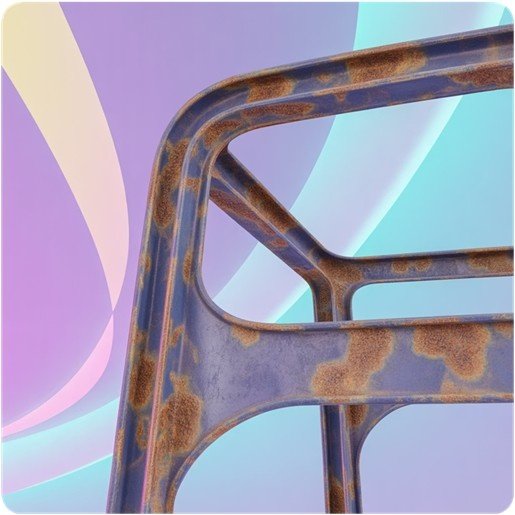
Primary Corrosion Protection Methods
Galvanization
Hot-dip galvanizing applies a protective zinc coating that acts as a sacrificial barrier. The zinc corrodes preferentially, protecting the underlying steel. This method provides decades of maintenance-free protection in most environments.
Protective Coatings
Advanced coating systems including epoxies, polyurethanes, and specialized paints create impermeable barriers against moisture and oxygen. Multi-layer systems offer enhanced protection in aggressive environments.
Material Selection
Specifying corrosion-resistant steel alloys or stainless steel for high-risk areas provides inherent protection. While more expensive upfront, these materials eliminate many maintenance concerns entirely.
Design Strategies That Prevent Corrosion
Protection begins long before installation. Smart design choices during the engineering phase can dramatically extend steel life and reduce maintenance requirements. Here's how forward-thinking teams approach corrosion prevention at the drawing board.
01
Eliminate Moisture Traps
Detail connections to prevent water accumulation. Design with drainage in mind — avoid horizontal surfaces where water can pool. Use weep holes and proper flashing details.
02
Prevent Galvanic Corrosion
When dissimilar metals must connect, use isolation materials like neoprene washers or plastic separators. Understanding the galvanic series prevents accelerated corrosion.
03
Specify Proper Fasteners
Match fastener materials to framing systems. Stainless or galvanized fasteners prevent localized corrosion. Never mix incompatible metal types.
04
Integrate Ventilation
Design cavities and wall systems with adequate airflow. Proper ventilation reduces moisture buildup — the primary driver of corrosion in building envelopes.
Protection Standards & Coating Specifications
Industry standards play a crucial role in selecting the right corrosion protection strategy for light gauge steel framing. One of the most widely referenced benchmarks is the galvanization coating designation, expressed as G40, G60, and G90. These numbers indicate the zinc coating weight (in ounces per square foot) applied to the steel—directly influencing durability and corrosion resistance.
Common Galvanization Levels & Their Applications
G40 Coating
-
Best for: Interior framing in dry, controlled environments
-
Characteristics: Lightest zinc protection, suitable where moisture exposure is minimal
-
Typical Use Cases: Interior partitions, conditioned spaces, low-risk environments
G60 Coating
-
Best for: Standard residential and commercial construction
-
Characteristics: Balanced protection appropriate for moderate climates
-
Typical Use Cases: General framing, mixed-use buildings, non-exposed areas
G90 Coating
-
Best for: High-exposure environments
-
Characteristics: Heavier zinc coating offering superior corrosion resistance
-
Typical Use Cases: Exterior walls behind cladding, coastal zones, high-humidity interiors (pools, industrial facilities)
Maintenance & Inspection Best Practices
01 — Year 1: Initial Inspection
Document baseline conditions. Check coating integrity at connections, penetrations, and high-stress areas. Address any installation damage immediately.
02 — Years 2-5: Routine Monitoring
Annual visual inspections focusing on moisture-prone areas. Look for coating breakdown, rust staining, or galvanic corrosion at dissimilar metal connections.
03 — Years 5-10: Detailed Assessment
Comprehensive evaluation including coating thickness measurements. Address compromised areas with touch-up coatings or repairs before damage spreads.
04 — Beyond Year 10: Long-Term Strategy
Develop lifecycle management plans. Consider recoating schedules for high-exposure areas. Document performance to guide future project specifications.
Key Takeaways for Your Next Project
Start with environmental assessment
Understand your exposure conditions before selecting protection strategies. Coastal, industrial, and high-humidity environments require enhanced specifications.
Design details matter as much as coatings
Eliminate moisture traps, prevent galvanic reactions, and integrate proper ventilation during the design phase. Smart detailing reduces long-term maintenance dramatically.
Specify appropriate protection levels
Match galvanization standards and coating systems to actual project conditions. Avoid under-protecting high-risk areas or over-engineering low-risk ones.
Plan for lifecycle management
Establish inspection schedules and maintenance protocols from day one. Proactive monitoring extends steel life and prevents costly emergency repairs.
Effective corrosion protection for light gauge steel isn't just about applying coatings— it's about integrated thinking across design, specification, installation, and maintenance. By implementing these strategies, you'll deliver structures that perform reliably for decades while minimizing lifecycle costs.
What's Your Reaction?