FOUNDATION
Understanding Joist and Deck Systems in Modern Construction
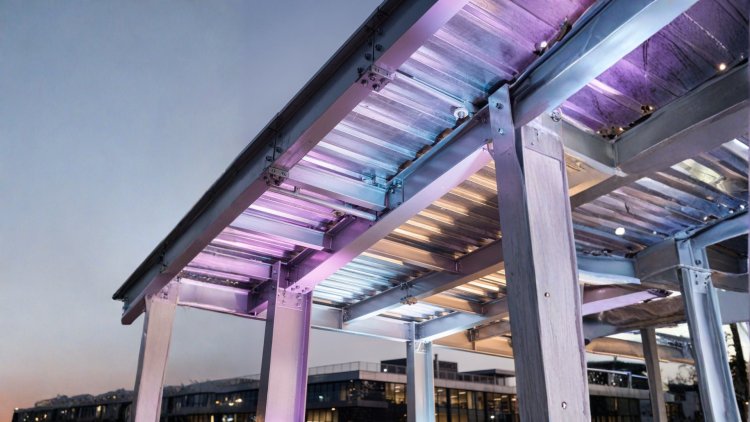
Steel joists and metal deck systems form the backbone of countless commercial and industrial structures. These engineered components provide efficient, cost-effective floor and roof framing solutions that span large distances while maintaining structural integrity.
The detailing process requires precise coordination between structural design, fabrication requirements, and field installation. Traditional 2D methods often led to costly conflicts discovered only during fabrication or on-site, creating delays and budget overruns that frustrated every stakeholder.
Key System Components
✓
Open Web Steel Joists (K, LH, DLH Series)
✓
Joist Girders Supporting Concentrated Loads
✓
Metal Deck Profiles (Roof, Floor & Composite)
✓
Connection Details and Bridging Systems
✓
Bearing Conditions and Structural Supports
DIGITAL WORKFLOW
The BIM Advantage in Joist Detailing
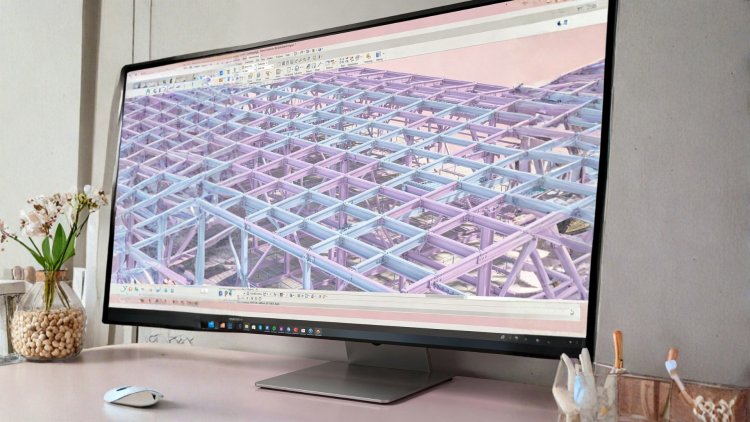
Building Information Modeling transforms joist detailing from a reactive process into a proactive workflow, enabling greater accuracy, coordination, and fabrication efficiency across every project phase.
3D
3D Visualization
See every joist, connection, and deck panel in context before fabrication begins. Identify interferences with MEP systems, structural members, and architectural elements early when changes are easiest and least expensive to implement.
AI
Automated Coordination
BIM software detects clashes between joists, beams, ducts, and other building systems automatically. This capability eliminates guesswork and significantly reduces field coordination issues common in traditional workflows.
BIM
FABRICATION INTEGRATION
Fabrication-Ready Output
Generate accurate shop drawings, cut lists, and CNC machine files directly from the model. This direct-to-fabrication workflow reduces manual data transfer and ensures design intent is maintained throughout production.
Result: Reduced transcription errors, improved manufacturing accuracy, faster shop production, and greater confidence that what is modeled is exactly what gets built.
BIM PROCESS
Essential BIM Workflow for Joist & Deck Detailing
A structured BIM workflow improves coordination, minimizes detailing errors, and ensures fabrication-ready output throughout the project lifecycle.
01
Model Import and Review
Begin by importing the structural engineer's design model. Review load requirements, span conditions, and specified joist series to ensure all design intent is captured before detailed modeling begins.
02
Joist Layout and Spacing
Place joists according to specified spacing requirements. Consider bridging, MEP penetrations, openings, and bearing conditions to maintain structural performance and constructability.
03
Deck System Modeling
Add metal deck profiles with the correct gauge, span direction, deck edges, closures, fastening patterns, and composite deck features where required.
04
Connection Detailing
Detail joist-to-girder connections, bearing seats, bridging attachments, bolts, welds, and hardware specifications to support fabrication accuracy.
05
Coordination and Clash Detection
Run comprehensive clash detection with architectural, structural, and MEP models. Resolve conflicts before fabrication and field installation.
06
BIM
Shop Drawing Generation
Extract fabrication-ready shop drawings with dimensions, specifications, material lists, erection sequences, and special notes for shop and field teams.
BEST PRACTICES
Critical Detailing Considerations
Successful joist and deck detailing requires careful attention to both structural performance and fabrication practicality.
S
Structural Requirements
- Verify joist designations match load tables and span conditions
- Confirm adequate bearing length at supports (typically 2.5"–4")
- Detail proper bridging spacing per joist specification
- Account for deflection limits in sensitive applications
- Include connection capacity for seismic and wind loads
F
Fabrication Essentials
- Provide clear shop marks and erection piece numbers
- Specify welding requirements and inspection criteria
- Detail handling and shipping considerations for long joists
- Include notes for unique or non-standard conditions
- Coordinate with manufacturer standard details
BIM
INDUSTRY INSIGHT
Turning Requirements into Reality
When working with a specialized partner like Consac, these technical requirements are systematically addressed through proven BIM workflows. This coordinated approach ensures nothing falls through the cracks between design intent, fabrication requirements, and successful field installation.
PROBLEM SOLVING
Common Challenges & BIM Solutions
BIM transforms detailing challenges into manageable coordination tasks by identifying issues early and providing data-driven solutions before fabrication begins.
CHALLENGE 01
Joist Depth Coordination
Problem: Joists interfere with ductwork, ceiling systems, or architectural clearances.
BIM Solution: 3D modeling reveals depth conflicts early. Teams can adjust joist series, add joist girders, or coordinate MEP reroutes before fabrication begins.
CHALLENGE 02
Deck Span Discrepancies
Problem: Specified deck gauge cannot span actual joist spacing discovered during review.
BIM Solution: The model validates deck spanning capacity against actual layouts and alerts the detailer to increase deck gauge or modify joist spacing.
CHALLENGE 03
Opening Coordination
Problem: MEP openings require joist headers or modifications not shown in structural drawings.
BIM Solution: Linked MEP models reveal exact opening locations, allowing proper headers, reinforcements, or joist relocation before cutting steel.
CHALLENGE 04
Connection Detailing Errors
Problem: Connection details don't match field conditions, causing rework and modifications.
BIM Solution: 3D connection modeling verifies geometry, bolt spacing, edge distances, and clearances before fabrication begins.
PERFORMANCE INSIGHTS
Measurable Benefits of BIM-Based Joist Detailing
BIM-driven workflows deliver quantifiable improvements across speed, coordination, accuracy, and construction efficiency.
60%
Faster Shop Drawing Production
Automated extraction of details from 3D models significantly reduces manual drafting time compared to traditional 2D methods.
85%
Reduction in Field Conflicts
Early clash detection and coordination minimize onsite issues, keeping projects on schedule and within budget.
40%
Fewer RFIs During Construction
Comprehensive 3D coordination answers questions before they're asked, streamlining the construction process.
99%
Fabrication Accuracy
Direct model-to-fabrication workflows eliminate transcription errors and ensure precise manufacturing of components.
STRATEGIC OUTLOOK
Moving Forward with BIM Joist Detailing
BIM integration is not just a technical improvement—it is a structural shift in how modern construction documentation is designed, coordinated, and executed.
Success requires investment in software, training, and process alignment. However, the return is quickly realized through reduced rework, faster delivery cycles, and improved coordination across all stakeholders in the project lifecycle.
Key Takeaways
• Start with accurate structural models and clear design intent
• Leverage 3D visualization for early conflict detection
• Maintain detailed connection libraries for consistency
• Coordinate continuously with all trades throughout design
• Generate fabrication-ready documentation directly from models
Ready to Transform Your Detailing Process?
Whether implementing BIM workflows in-house or partnering with experienced professionals, the path to better joist and deck detailing starts with understanding the technology and committing to the process.
BIM
Modern construction demands precision, speed, and coordination. BIM delivers all three while reducing risk and improving outcomes across every phase of the project lifecycle.