How to Coordinate Joist and Decking Details with MEP in U.S. BIM Projects
Building Information Modeling (BIM) has revolutionized how we approach construction coordination, especially when it comes to integrating structural elements like joists and decking with mechanical, electrical, and plumbing (MEP) systems. For construction professionals, mastering this coordination process isn't just about avoiding costly conflicts4it's about delivering projects on time, within budget, and to the highest quality standards.


Understanding the Challenge of MEP–Structure Coordination
The Core Challenge
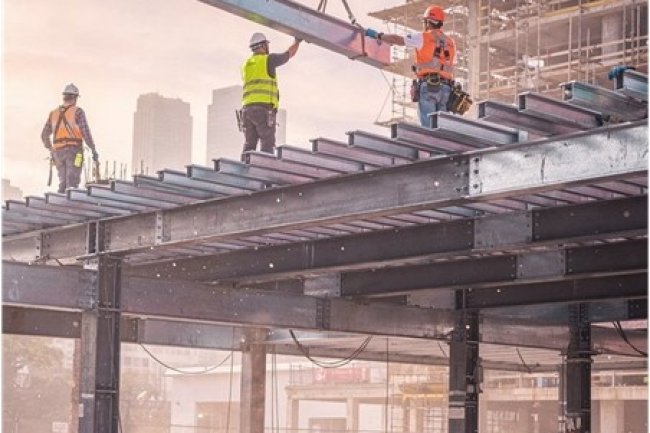
The coordination between joist and decking systems with MEP components presents unique challenges in modern construction. Steel joists, composite decking, and complex MEP runs must occupy the same building space without interfering with each other.
⚠ Traditional 2D drawings often fail to reveal spatial conflicts until construction is underway, leading to expensive rework, RFIs, and schedule delays.
BIM-Driven Resolution
In BIM-enabled projects, early detection of clashes between structural and MEP systems becomes possible through coordinated 3D modeling. This allows teams to resolve issues before they reach the field.
Success depends not only on software, but on process — understanding how building systems interact and establishing clear coordination protocols from project inception.
Set consistent Level of Detail (LOD) requirements across disciplines. Structural models should reach LOD 300 minimum, while MEP systems must include accurate sizing, routing, and spatial intent.
Conduct weekly coordination meetings during design and documentation phases to review clash reports, resolve issues, and keep all models aligned before construction begins.
Use advanced BIM tools to detect conflicts between joists, decking profiles, and MEP systems. Pay special attention to penetrations and tight clearance zones.
Record all coordination decisions including approved penetrations, rerouting strategies, and clearance adjustments to support installation and future maintenance.
Essential Coordination Steps for Success
Establish Clear Modeling Standards
Schedule Regular Coordination Reviews
Run Comprehensive Clash Detection
Document Resolution Decisions
Steel joists require carefully planned openings for MEP penetrations. These must follow manufacturer limits to preserve structural integrity.
Metal decking geometry directly affects MEP routing efficiency and clearance requirements across the structural system.
Proper clearance planning ensures installation feasibility, maintenance access, and long-term operational reliability of building systems.
Critical Areas Requiring Special Attention
Joist Web Openings
Decking Coordination
Vertical Clearances
Start coordination early during schematic design when changes are least costly. Establish clear communication protocols across structural, architectural, and MEP teams.
Successful coordination depends on both technology and process discipline. When properly aligned, BIM workflows significantly reduce RFIs, rework, and field conflicts across complex projects.
Technology Tools and Best Practices
Essential BIM Software Features
Implementation Strategies
Investing in BIM coordination during early design phases prevents costly field conflicts. Resolving issues in the model is significantly cheaper than fixing them during construction.
Regular coordination meetings and structured documentation ensure all disciplines stay aligned. Clear roles and resolution tracking reduce confusion and rework.
BIM tools are powerful, but outcomes depend on how effectively they are used. Proper training and implementation are essential for maximizing coordination value.
By applying strong coordination principles and leveraging BIM effectively, project teams can significantly reduce conflicts, improve build quality, and deliver more predictable outcomes across the entire construction lifecycle.
Key Takeaways for Better Project Outcomes
Early Coordination Saves Money
Communication Drives Success
Technology Enables Better Results
What's Your Reaction?