Future Trends in Light Gauge Steel Construction
Light gauge steel (LGS) construction is rapidly transforming how we design and build. From multi-story residential complexes to commercial facilities, this innovative framing method is gaining momentum across the U.S. construction industry. As project managers, engineers, and developers seek faster, more sustainable building solutions, understanding emerging trends in LGS becomes essential for staying competitive and delivering exceptional results.
Why Light Gauge Steel Is Reshaping Construction
The construction landscape is experiencing a fundamental shift. Traditional building methods face mounting pressure from labor shortages, material waste concerns, and demanding project timelines. Light gauge steel framing offers a compelling alternative that addresses these challenges head-on.
Unlike conventional wood framing, LGS systems provide dimensional stability, fire resistance, and termite immunity. These cold-formed steel components are manufactured with precision, enabling faster assembly and reduced on-site waste. The result? Projects that deliver quality, speed, and long-term performance.
Digital Integration: BIM and Prefabrication Convergence
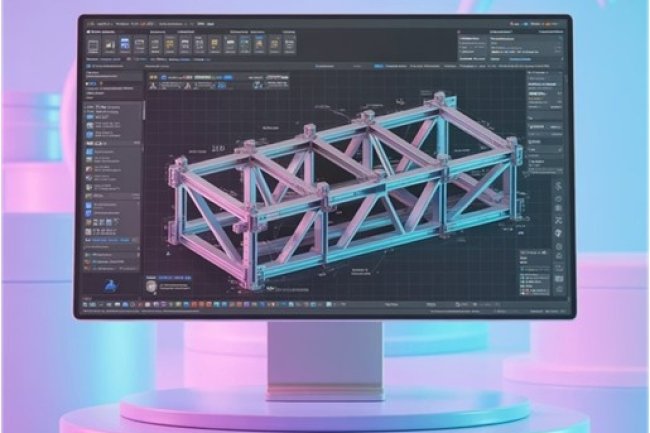
Building Information Modeling (BIM) is revolutionizing how we approach light gauge steel projects. Advanced 3D modeling enables clash detection before fabrication begins, eliminating costly field conflicts and rework. Design teams can now optimize every connection, validate load paths, and coordinate MEP systems with millimeter-level accuracy.
Prefabrication is taking this integration even further. Entire wall panels, complete with framing, sheathing, and sometimes MEP rough-ins, arrive on-site ready for installation. This approach dramatically compresses construction schedules while improving quality control through factory-controlled environments.
Clash Detection
Identify conflicts before steel fabrication begins, preventing expensive field modifications and delays.
Automated Detailing
Generate shop drawings and fabrication details directly from BIM models, reducing manual drafting errors.
Panel Optimization
Maximize material efficiency through digital nesting and optimized panel layouts during fabrication.
Prefabricated Assemblies
Factory-built wall panels improve quality control and significantly accelerate on-site installation.
Sustainability and Circular Economy Principles
Environmental responsibility is no longer optional—it's expected. Light gauge steel construction aligns perfectly with sustainability goals that matter to owners, developers, and communities. Steel framing consists of recycled content and remains infinitely recyclable at end-of-life, creating a true circular material flow.
Companies like Consac are helping clients leverage these advantages by providing detailed engineering solutions that optimize material usage while meeting stringent environmental standards. The precision of digital fabrication further reduces waste, with off-cuts often under 2% compared to 15–20% for traditional framing methods.
Advanced Manufacturing and Automation
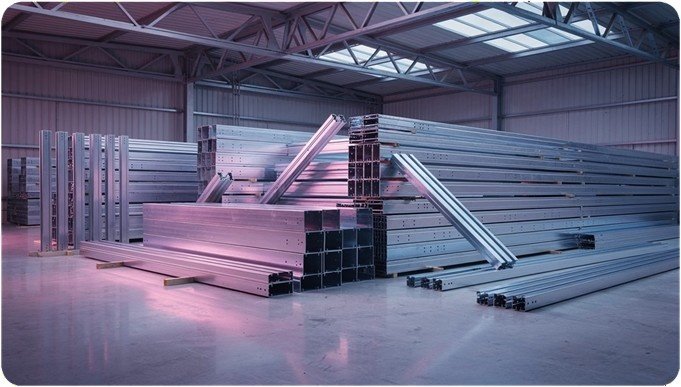
Modern light gauge steel production combines digital design, automated equipment, and precision fabrication to deliver faster project timelines, higher quality components, and unprecedented design flexibility.
The Factory Advantage
Automated roll-forming equipment now produces custom steel studs and track at unprecedented speeds. CNC punching machines create precise penetrations for MEP coordination, while robotic welding ensures consistent structural connections.
These factory-controlled processes dramatically reduce variability compared to field fabrication, ensuring every component meets strict engineering tolerances.
Manufacturing technology continues advancing rapidly. Computer-controlled equipment reads directly from BIM models, translating digital designs into physical components without manual interpretation.
This automation reduces human error, accelerates production, and enables mass customization—producing unique components as efficiently as repetitive ones.
For project teams, this means shorter lead times and greater design flexibility. Complex geometries and custom solutions become economically viable, opening new architectural possibilities while maintaining budget discipline and schedule certainty.
Hybrid Construction Systems
Steel-Timber Combinations
Pairing LGS with mass timber elements combines the best of both materials—steel's precision and strength with timber's aesthetic warmth and carbon sequestration benefits.
Podium Construction
Concrete podiums supporting multiple stories of light gauge steel framing are becoming standard for mixed-use developments, optimizing each material for its ideal application.
Modular Integration
Factory-built volumetric modules with LGS framing deliver complete rooms or units to site, radically compressing construction timelines for hotels, student housing, and multi-family projects.
Resilience and Performance Standards
Climate change is driving more extreme weather events, and building codes are responding with stricter performance requirements. Light gauge steel excels in these demanding conditions, offering superior resistance to high winds, seismic forces, and flood damage.
Steel's inherent strength-to-weight ratio enables taller structures with smaller foundations. Its non-combustible nature provides critical fire safety advantages, particularly important for multi-family residential and mixed-use projects where life safety is paramount.
Forward-thinking project teams are specifying LGS not just for current code compliance, but for resilience against future climate scenarios and evolving regulatory standards.
What's Your Reaction?