BIM Clash Detection for Light Gauge Steel Projects
In the fast-paced world of light gauge steel construction, coordination errors can cost thousands of dollars and weeks of schedule delays. BIM clash detection has emerged as a critical workflow tool that helps project teams identify and resolve conflicts before they reach the field—saving time, reducing rework, and improving overall project outcomes.
Understanding BIM Clash Detection in Steel Construction
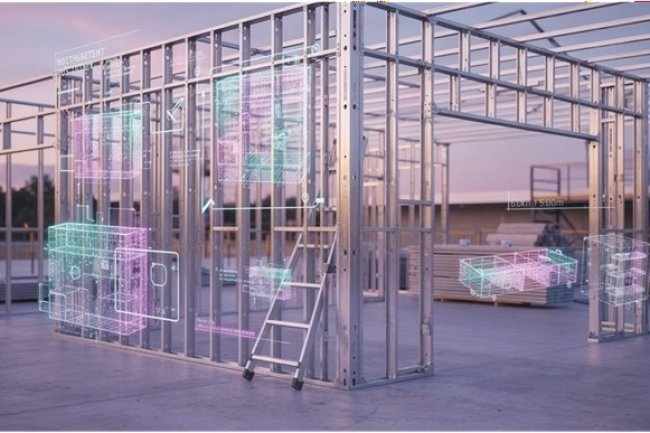
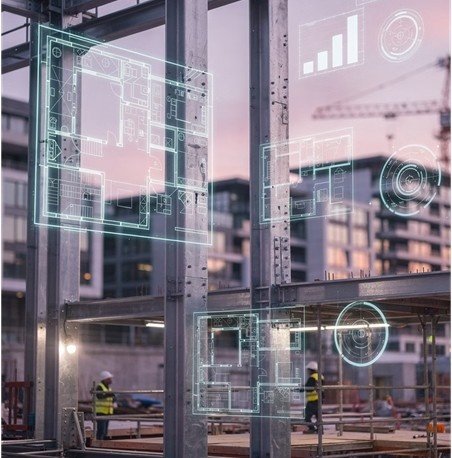
BIM clash detection uses coordinated 3D models to identify conflicts between structural framing, MEP systems, and architectural elements before construction. In light gauge steel projects, this precision is essential for fabrication accuracy and efficient installation.
Model Integration
Combine structural, architectural, mechanical, electrical, and plumbing models into a unified coordination platform for review.
Automated Scanning
BIM software automatically scans for geometric overlaps, clearance violations, and sequencing conflicts that may impact installation.
Review & Resolution
Teams review detected clashes, coordinate design adjustments, and resolve conflicts collaboratively before fabrication.
Documentation
Track resolved issues, document design changes, and communicate updates clearly to all project stakeholders.
Why Light Gauge Steel Projects Demand Precise Coordination
Light gauge steel construction operates on tight tolerances that leave little room for field modifications. Unlike wood framing, steel studs and joists are pre-fabricated to exact specifications. When conflicts arise on-site, the consequences include delayed schedules, costly re-fabrication, and potential structural compromises.
Fabrication Precision
Steel components are manufactured off-site based on exact shop drawings. Dimensional conflicts discovered during installation can halt production and require complete re-fabrication of affected pieces.
MEP Integration Challenges
HVAC ducts, electrical conduits, and plumbing systems must pass through steel framing members. Without proper coordination, critical systems may be impossible to install as designed.
Sequencing Dependencies
Installation order is critical in steel construction. Components installed out of sequence can block access for subsequent trades, creating costly workflow disruptions that ripple through the project schedule.
The ROI of Clash Detection: Real Cost Savings
Fewer RFIs
Reduction in information requests through proactive coordination
Average Savings
Per project from avoided rework and schedule delays
Schedule Gains
Typical time saved on mid-size construction projects
Issue Resolution
Of clashes resolved before reaching the field
The financial impact of implementing clash detection workflows extends beyond direct cost avoidance. Projects that invest in early coordination experience improved team collaboration, fewer change orders, stronger subcontractor relationships, and higher quality outcomes.
For light gauge steel projects, the return on investment typically appears during the first major coordination cycle, as conflicts are resolved digitally before they become costly field disruptions.
━━━━━━━━━━━━━━━━━━━━━━━━━━━
Building an Effective Clash Detection Workflow
━━━━━━━━━━━━━━━━━━━━━━━━━━━
Week 1–2 | Setup
Successful clash detection requires more than just software—it demands a structured workflow with clear responsibilities, regular coordination meetings, and well-defined protocols for issue resolution. The most effective teams embed clash detection into standard project procedures rather than treating it as an optional add-on.
During this phase, establish clear model standards so all disciplines create geometry at the appropriate level of detail. Define clash tolerance zones—the acceptable clearances between different systems—based on project requirements and installation methods. Set up regular coordination cycles, typically weekly during design development and increasing in frequency during later stages.
────────────────────────────────────
Week 3–8 | Design Coordination
• Run weekly clash detection cycles
• Identify and document conflicts
• Coordinate and resolve issues with the design team
• Track decisions and updates across disciplines
────────────────────────────────────
Week 9–12 | Construction Documentation
• Establish finalized standards and clearly define roles
• Configure software parameters and tolerance zones
• Increase coordination cycles to bi-weekly
• Resolve all major clashes
• Prepare clash-free fabrication models
────────────────────────────────────
Construction Phase
• Perform ongoing clash validation
• Resolve field-level issues
• Update as-built models
• Verify final coordination and installation accuracy
━━━━━━━━━━━━━━━━━━━━━━━━━━━━━━━━━━━━
Common Clash Types in Light Gauge Steel Projects
Not all clashes carry equal weight. Understanding clash categories helps teams prioritize resolution efforts and allocate coordination resources effectively. Hard clashes involve physical conflicts, soft clashes relate to clearance violations, and workflow clashes indicate sequencing problems that complicate installation.
Structural Conflicts
Steel framing members intersecting with columns, beams conflicting with floor systems, and joist penetrations interfering with structural integrity. These clashes carry the highest priority as they directly impact load paths and building safety.
MEP Interferences
Ductwork colliding with structural members, conduit paths blocked by studs, and plumbing risers conflicting with ceiling joists. These issues require close coordination between trades to develop acceptable routing solutions.
Clearance Violations
Insufficient access for installation, inadequate maintenance clearances, and code-required spacing not maintained. These clashes are often overlooked but are critical for long-term operation, maintenance, and serviceability.
━━━━━━━━━━━━━━━━━━━━━━━━━━
How Consac Optimizes BIM Workflows for Steel Projects
━━━━━━━━━━━━━━━━━━━━━━━━━━
At Consac, we have refined our clash detection methodology specifically for light gauge steel construction, drawing on years of hands-on experience across commercial, residential, and industrial projects. Our approach blends advanced BIM modeling techniques with real-world field knowledge, ensuring coordination outcomes that translate directly into smoother, more predictable construction execution.
We develop project-specific clash detection matrices that clearly define acceptable tolerances, priority levels, and resolution workflows tailored to your steel fabrication requirements. Through structured and regular coordination meetings, our team enables collaborative review of clash reports, ensuring solutions respect the constraints of every discipline involved.
Beyond simply identifying conflicts, Consac delivers actionable, construction-ready recommendations—accounting for fabrication feasibility, installation sequencing, and cost implications—so issues are resolved before they impact the field.
────────────────────────────────────
Standards Setup
Custom protocols aligned with your steel fabrication process
Automated Detection
Regular clash scanning cycles with intelligent filtering
Coordinated Resolution
Facilitated coordination reviews with all project stakeholders
Quality Validation
Verified, clash-free models ready for fabrication and construction
━━━━━━━━━━━━━━━━━━━━━━━━━━━━━━━━━━━━
Key Takeaways: Making Clash Detection Work for Your Projects
Start Early, Coordinate Often
Implement clash detection during schematic design rather than waiting for construction documents. Early coordination provides flexibility for efficient design adjustments.
Define Clear Standards
Establish modeling standards, tolerances, and clearance zones early. Document expectations so every discipline understands their coordination responsibilities.
Prioritize by Impact
Focus first on clashes affecting structural integrity, critical MEP systems, and fabrication feasibility before resolving minor clearance issues.
Integrate Fabrication
Ensure clash-free models flow directly into shop drawings and steel fabrication workflows, delivering installation-ready geometry with fewer field surprises.
BIM clash detection has evolved from a specialized service into an essential project delivery tool for light gauge steel construction. By implementing structured coordination workflows, clear communication protocols, and partnering with teams who understand both digital modeling and steel fabrication realities, projects can significantly reduce risk while improving schedule performance and cost outcomes.
The investment in effective clash detection delivers value across the entire project lifecycle—from design through fabrication, construction, and occupancy.
What's Your Reaction?