Impact of Urbanization on Light Gauge Steel Demand
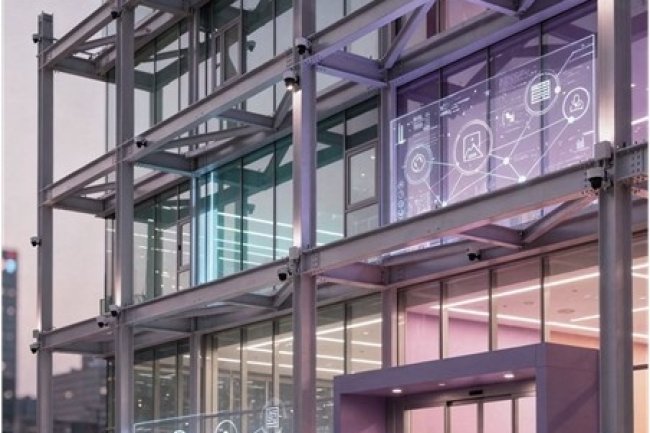
As cities expand and populations concentrate in urban centers, the construction industry faces unprecedented demand for efficient, scalable building solutions. Light gauge steel (LGS) has emerged as a critical material driving this urban transformation, offering the speed, strength, and sustainability modern development requires.

The Urbanization Wave Reshaping Construction
Global urbanization continues at a staggering pace, with the United Nations projecting that 68% of the world's population will live in urban areas by 2050. This shift creates massive demand for residential, commercial, and infrastructure projects that must be delivered quickly without compromising quality.
Traditional construction methods struggle to keep pace with this demand. Light gauge steel framing offers a proven alternative that addresses urban construction's most pressing challenges: speed of assembly, design flexibility, structural integrity, and environmental responsibility.
Why Light Gauge Steel Meets Urban Development Needs
Rapid Construction Timelines
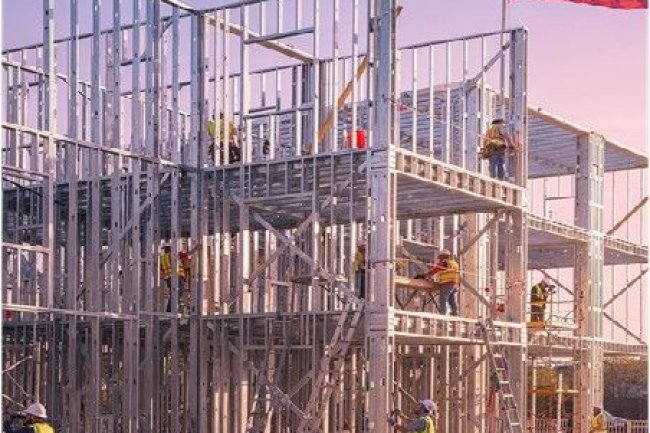
LGS components are manufactured off-site with precision, reducing on-site construction time by up to 40%. In dense urban environments where project delays cost thousands daily, this speed advantage is invaluable.
High-Density Applications
Light gauge steel's exceptional strength-to-weight ratio supports mid-rise construction efficiently. Urban developers leverage LGS for apartment complexes, mixed-use developments, and commercial buildings where space is at a premium.
Design Flexibility
Urban projects often require creative solutions for irregular lot shapes and zoning constraints. LGS framing adapts easily to complex architectural designs while maintaining structural performance.
Sustainability Credentials
Cities increasingly mandate green building standards. Steel is 100% recyclable, generates minimal waste during fabrication, and contributes to LEED certification—critical factors for urban projects seeking regulatory approval.
Market Drivers Behind the LGS Surge
Several converging trends are accelerating light gauge steel adoption in urban markets. Labor shortages plague construction sites nationwide, making prefabricated LGS systems attractive for their reduced on-site workforce requirements.
Rising material costs push developers toward value engineering, where LGS delivers cost predictability through factory pricing and reduced waste. Insurance and lending institutions favor LGS for its fire resistance, dimensional stability, and durability—factors that lower long-term risk.
Building codes in major metropolitan areas increasingly accommodate and even encourage steel framing, particularly for multi-family housing and commercial spaces where life safety and structural performance are paramount.
Regional Variations in Urban LGS Adoption
Coastal and High-Density Markets
Metropolitan areas like New York, Los Angeles, Miami, and Seattle lead LGS adoption due to land scarcity, strict building codes, and premium construction costs. Here, the material's efficiency directly impacts project feasibility.
Emerging Urban Centers
Secondary cities experiencing rapid growth—Austin, Charlotte, Phoenix, Nashville—embrace LGS for affordable housing initiatives and commercial development. These markets value speed-to-occupancy and scalable construction methods.
Industrial and Logistics Hubs
Urban-adjacent industrial zones increasingly specify light gauge steel for warehouses, distribution centers, and logistics facilities. The material's clear-span capabilities and rapid construction align perfectly with e-commerce infrastructure demands.
Key Insight: Urban planners and developers recognize that LGS isn't simply a material choice—it's a strategic advantage in markets where construction timelines, labor availability, and regulatory compliance determine project success or failure.
Involve LGS fabricators and structural engineers during schematic design. Early collaboration identifies opportunities for standardization, modular planning, and value engineering that maximize material efficiency.
Dense urban sites have limited staging areas. LGS's prefabricated nature helps, but delivery sequencing, crane access, and just-in-time installation require detailed planning to avoid costly delays.
Urban projects involve multiple stakeholders—architects, MEP engineers, general contractors, and subcontractors. Establish clear BIM protocols and coordination schedules to prevent conflicts during construction.
Building codes vary by jurisdiction. Ensure your engineering team understands local requirements for steel framing, fire ratings, seismic design, and wind loads specific to your urban market.
Practical Considerations for Your Next Urban Project
Early Engagement Matters
Plan for Site Logistics
Coordinate Across Disciplines
Verify Local Code Compliance
Looking Ahead: LGS and the Future of Urban Construction
| Technology Integration | Current Adoption | Widespread Standardization |
|---|---|---|
| Digital tools and prefabrication methods | Early projects and pilots | Codes, supply chains, and norms |
The convergence of urbanization trends and construction innovation positions light gauge steel as a cornerstone material for the next decade of development.
As cities densify and construction challenges intensify, light gauge steel demand will continue rising. The material addresses fundamental urban development needs: build faster, build smarter, build sustainably.
For project managers, engineers, and developers navigating today's complex urban markets, understanding LGS applications and partnering with experienced detailing and engineering firms isn't optional—it’s essential for competitive advantage. The question isn’t whether light gauge steel will shape urban construction’s future, but how quickly your organization will leverage its benefits.
What's Your Reaction?