Thermal Performance of Light Gauge Steel Structures
Energy efficiency isn't just a buzzword anymore—it's a fundamental requirement for sustainable building design. As energy costs rise and environmental regulations tighten, understanding how building materials affect thermal performance has become critical for every stakeholder in the construction industry
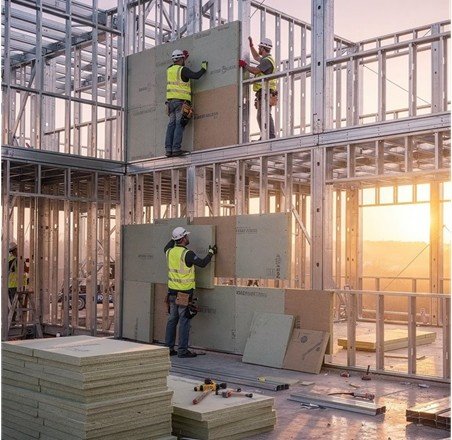
Why Thermal Performance Matters in Steel Construction
Light gauge steel (LGS) has revolutionized modern construction with its strength-to-weight ratio, precision manufacturing, and rapid assembly capabilities. However, steel's high thermal conductivity presents unique challenges that design teams must address from the earliest planning stages.
Unlike wood or concrete, steel conducts heat approximately 300 times faster, creating potential thermal bridges that can significantly impact a building's overall energy performance. Understanding these challenges—and the solutions available—is essential for delivering structures that meet today's energy codes and client expectations.
300x
|
30%
|
Understanding Thermal Bridging in Steel Frames
Thermal bridging occurs when conductive materials like steel create pathways for heat to bypass insulation layers. In light gauge steel structures, every stud, track, and structural member can potentially become a thermal bridge, allowing conditioned air to escape and exterior temperatures to penetrate the building envelope.
Heat Transfer
Steel conducts thermal energy rapidly through the wall assembly, creating direct paths for heat to move in or out of conditioned spaces.
Energy Costs
Increased heat loss or gain forces HVAC systems to work harder, driving up operational energy expenses and reducing overall efficiency.
Condensation Risk
Temperature differentials across thermal bridges create surface condensation, leading to moisture accumulation, mold growth, material degradation, and occupant discomfort.
Understanding and mitigating thermal bridging is essential for energy efficiency, indoor comfort, and long-term durability in light gauge steel buildings.
Proven Strategies for Thermal Optimization
The construction industry has developed several effective approaches to minimize thermal bridging in light gauge steel structures. The key is integrating these strategies early in the design process rather than treating them as afterthoughts.
01 — Continuous Exterior Insulation
Installing rigid foam or mineral wool boards outside the steel framing creates an uninterrupted thermal barrier. This approach addresses thermal bridging at its source by wrapping the entire structure in insulation.
02 — Thermal Break Technology
Specialized clips, brackets, and framing components incorporate low-conductivity materials that interrupt heat flow paths while maintaining structural integrity.
03 — Advanced Cavity Insulation
High-performance spray foam or dense-pack cellulose fills gaps around steel members more effectively than traditional batt insulation, reducing air infiltration.
04 — Optimized Framing Design
Strategic member spacing, advanced framing techniques, and minimized penetrations reduce the overall steel content in the thermal envelope.
Design and Detailing Considerations
Material Selection
Choosing the right insulation materials is critical. Rigid foam boards offer excellent R-values per inch and create effective thermal breaks. Mineral wool provides fire resistance and acoustic benefits alongside thermal performance. Spray foam excels at air sealing but requires careful moisture management.
When working with companies like Consac that provide comprehensive CAD and BIM services, coordinating insulation specifications with structural detailing ensures constructability and performance targets are met simultaneously.
Assembly Details
Pay special attention to connections, corners, and penetrations—these are where thermal bridges often sneak into otherwise well-designed assemblies. Window and door rough openings, mechanical penetrations, and floor-to-wall connections require custom detailing to maintain thermal continuity.
Use thermal modeling software during design to identify problematic areas before construction begins, allowing for design adjustments when they're still cost-effective
From Design to Installation
Early Design Phase
Establish energy performance targets and conduct preliminary thermal modeling. Coordinate with structural engineers to optimize framing layouts.
Detailed Documentation
Develop comprehensive construction details showing insulation continuity, thermal break locations, and special conditions. BIM helps identify conflicts early.
Contractor Coordination
Conduct pre-construction meetings to review thermal performance requirements. Ensure installers understand continuous insulation and proper air sealing.
Quality Assurance
Implement inspection protocols to verify proper installation. Consider thermal imaging surveys to identify gaps or compressed insulation before finishes.
Building Better with Steel
Light gauge steel construction offers tremendous advantages in strength, consistency, and speed—but only when thermal performance is properly addressed. By understanding thermal bridging mechanisms and applying proven mitigation strategies, design teams can deliver steel-framed buildings that meet rigorous energy codes while providing comfortable, cost-effective spaces for occupants.
The key takeaway? Thermal performance isn't an add-on consideration—it's a fundamental design parameter that should inform decisions from initial concepts through final detailing. Whether you're designing a multi-story residential building or a commercial warehouse, integrating thermal strategies early ensures your steel structure performs as efficiently as it was engineered to stand.
Review Energy Codes
Ensure your designs comply with local and national energy code requirements, including insulation, fire resistance, and thermal performance.
Integrate Thermal Modeling
Use simulation tools early in the design process to predict heat flow and identify potential thermal bridges in steel framing.
Coordinate Insulation
Align insulation specifications with structural details to avoid gaps, compression, or thermal bypass at steel members and connections.
Verify Installation
Conduct on-site inspections to ensure insulation, coatings, and seals are installed correctly for optimal thermal performance.
What's Your Reaction?