The Importance of Steel Joist Detailing in Structural Projects
Steel joist detailing is the backbone of successful structural projects, transforming architectural visions into buildable reality. In today’s fast-paced construction environment, precision in detailing directly impacts project timelines, budgets, and structural integrity.
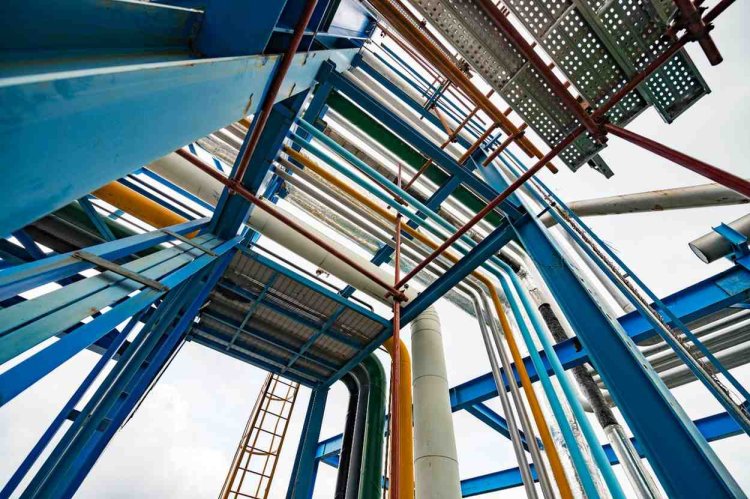
What is Steel Joist Detailing?
|
The Foundation of Structural Design
|
|
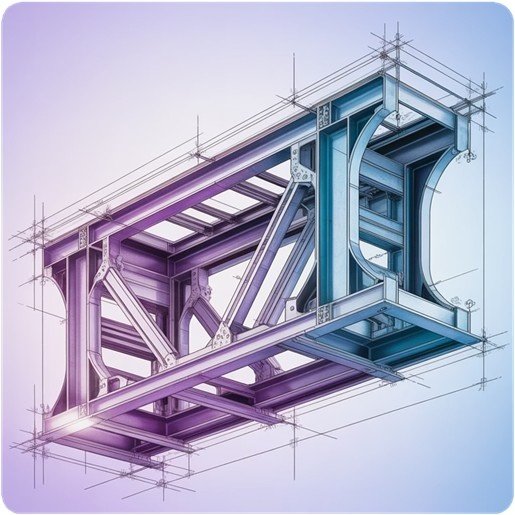
Why Precision Matters in Steel Joist Design
Structural Safety
Accurate detailing ensures load distribution meets engineering specifications, preventing structural failures and ensuring occupant safety throughout the building's lifecycle.
Perfect Integration
Detailed specifications ensure seamless coordination between steel joists and other building systems, from HVAC to electrical conduits.
Cost Efficiency
Precise drawings minimize material waste, reduce rework, and prevent costly on-site corrections that can derail project budgets and timelines.
Code Compliance
Thorough documentation demonstrates adherence to local building codes and industry standards, streamlining the approval process.
The Steel Joist Detailing Process
Initial Assessment & Planning
Review architectural drawings, structural calculations, and project specifications to understand load requirements, span distances, and connection points. This foundational step sets the stage for accurate detailing.
Shop Drawing Production
Generate comprehensive fabrication drawings with precise dimensions, material specifications, welding symbols, and connection details. These documents guide the manufacturing process.
3D Modeling & Coordination
Create detailed BIM models that allow clash detection with other building systems. Modern software enables virtual construction, identifying conflicts before they become field problems.
Review & Approval Cycle
Submit drawings to structural engineers and project stakeholders for review. Incorporate feedback and obtain final approvals before fabrication begins, ensuring alignment across all teams.
Key Components of Effective Steel Joist Details
Connection Design
Specify weld types, bolt sizes, and plate dimensions for beam-to-column and joist-to-girder connections. Connection details must account for both gravity loads and lateral forces.
Material Specifications
Document steel grades, member sizes, and finish requirements. Clear material callouts prevent substitution errors and ensure structural performance meets design intent.
Dimensional Accuracy
Provide exact measurements for joist lengths, depths, and spacing. Include tolerances and reference points to guide field installation and maintain structural alignment.
Review & Verification
Ensure every detail is reviewed for constructability, code compliance, and coordination with other disciplines. Verification prevents errors, rework, and delays in fabrication.
Technology Transforming Steel Detailing
Advanced Software Solutions
Modern detailing relies on sophisticated BIM platforms like Tekla Structures, Revit, and AutoCAD. These tools enable parametric modeling, automated clash detection, and direct fabrication file generation.
3D modeling software creates intelligent objects that update automatically when changes occur, dramatically reducing errors and revision time. The integration of artificial intelligence is beginning to automate routine tasks, allowing detailers to focus on complex problem-solving.
Digital Collaboration
Cloud-based platforms facilitate real-time coordination between design teams, fabricators, and field personnel. This connectivity ensures everyone works from current drawings, reducing miscommunication and rework.
Common Challenges and Solutions
Addressing these challenges requires proactive planning, clear communication channels, and leveraging technology to streamline workflows. Organizations that invest in proper detailing processes see significant returns through reduced change orders and faster project delivery.
Design Changes
Late-stage modifications can cascade through the entire project. Solution: Implement change management protocols and use BIM to assess impacts before approval.
Coordination Conflicts
Structural elements competing for space with MEP systems. Solution: Conduct regular coordination meetings and utilize clash detection software early in design.
Tight Schedules
Compressed timelines pressure quality. Solution: Partner with experienced detailing firms like Consac who maintain rigorous QA/QC processes even under deadline pressure.
The Bottom Line: Investing in Quality Detailing
30%
Faster Construction
Projects with comprehensive steel detailing complete fabrication and erection phases significantly quicker.
25%
Cost Savings
Accurate detailing reduces material waste and eliminates expensive field modifications.
90%
Error Reduction
Quality detailing processes catch potential issues before they reach the construction site.
Excellence in steel joist detailing isn't optional—it's essential for project success. Whether you're managing a commercial high-rise, industrial facility, or complex infrastructure project, partnering with experienced detailing professionals ensures your structural vision becomes reality efficiently and safely. Invest in quality detailing today to build with confidence tomorrow.
What's Your Reaction?