MODULAR CONSTRUCTION
Understanding Modular Joist Systems
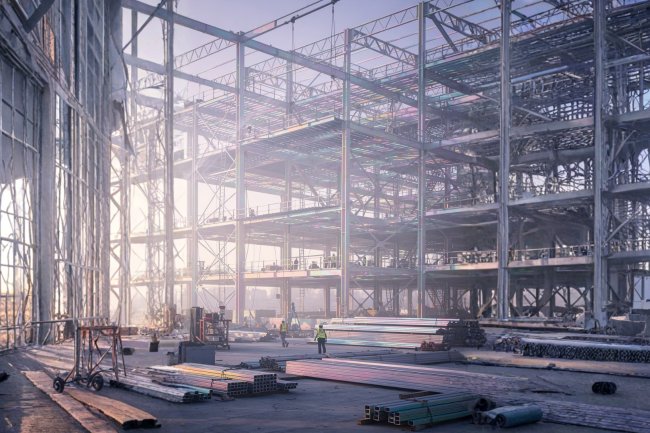
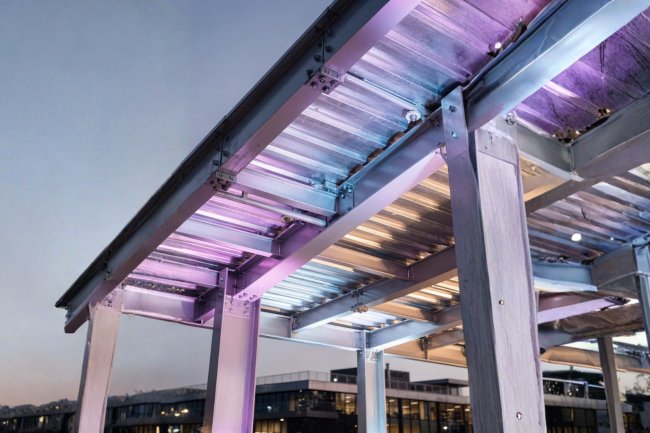
Modular joist systems represent a fundamental shift from traditional stick-built construction to precision-engineered prefabricated components. These systems consist of standardized structural elements manufactured off-site in controlled environments and assembled on-site with remarkable speed and accuracy.
Unlike conventional joists cut and assembled on-site, modular systems arrive pre-engineered with precise dimensions, integrated connection points, and built-in pathways for MEP systems. This transforms construction from a craft-based process into a manufacturing-driven methodology.
01
Factory-Controlled Quality
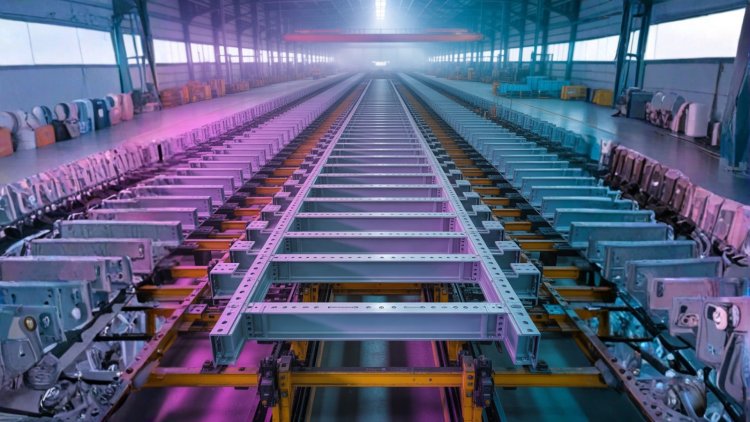
Manufacturing in controlled environments eliminates weather-related delays and ensures consistent quality standards across every component. Precision fabrication improves reliability while reducing variability often encountered with traditional field-built systems.
02
Standardized Integration
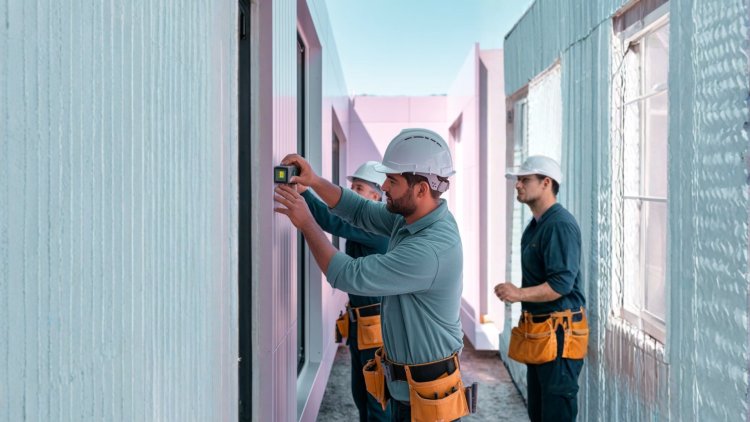
Pre-designed connection systems and standardized dimensions enable seamless assembly with minimal on-site adjustments. The result is faster installation, improved coordination, and greater project predictability from start to finish.
BUSINESS BENEFITS
Key Advantages Driving Adoption
01
Speed & Efficiency
Installation times can be reduced by up to 60% through simultaneous off-site manufacturing and site preparation.
✓ Parallel construction processes
✓ Weather-independent manufacturing
✓ Reduced on-site labor requirements
02
Enhanced Quality Control
Factory-controlled environments ensure precision engineering and consistency that is difficult to achieve on-site.
✓ Automated manufacturing processes
✓ Rigorous quality inspection protocols
✓ Elimination of weather-related defects
03
Cost Optimization
Lower labor costs, reduced material waste, and faster project completion generate lifecycle savings.
✓ Predictable material quantities
✓ Reduced rework and callbacks
✓ Faster return on investment
INDUSTRY ADOPTION
Market Applications & Growth Sectors
Modular joist systems are finding widespread adoption across diverse construction sectors, each leveraging unique benefits that align with specific project requirements and constraints.
01
Commercial Construction
Office buildings and retail spaces benefit from faster occupancy timelines and reduced construction disruption. The standardized nature of modular systems aligns perfectly with repetitive floor plans and consistent loading requirements.
02
Multi-Family Housing
Residential developers are embracing modular joists to address housing shortages more rapidly. The systems enable faster construction cycles while maintaining the structural integrity and design flexibility required for modern living spaces.
03
Industrial & Warehouse
Large-span capabilities and heavy load-bearing capacity make modular joist systems ideal for distribution centers and manufacturing facilities where rapid construction and operational efficiency are essential.
04
Healthcare Facilities
Hospitals and medical centers require complex MEP integration. Modular systems accommodate these needs through pre-engineered pathways, reducing installation complexity and supporting compliance with healthcare building codes.
PROJECT EXECUTION
Implementation Challenges & Solutions
Common Implementation Hurdles
Design Coordination
Early-stage collaboration between architects, engineers, and manufacturers is essential for successful modular integration. Poor coordination can create costly downstream modifications.
Transportation Logistics
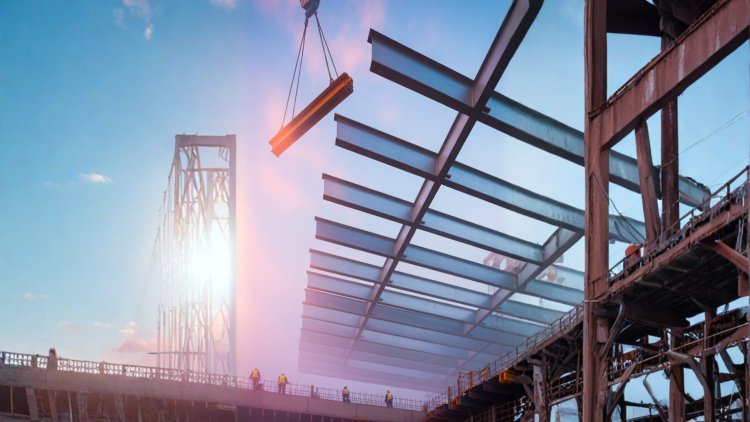
Large modular components require specialized transportation planning, route surveys, and carefully coordinated crane operations to ensure efficient delivery and installation.
Local Code Compliance
Building regulations vary significantly across jurisdictions, requiring careful review of local requirements and approval processes for modular construction systems.
✓
STRATEGIC SOLUTIONS
Turning Challenges Into Opportunities
Successful implementation requires integrated project delivery methods that bring architects, engineers, manufacturers, and contractors together during the earliest design stages.
Specialized engineering partners can streamline the modular joist integration process through coordinated workflows, digital detailing, and advanced planning methodologies.
BIM-Powered Coordination
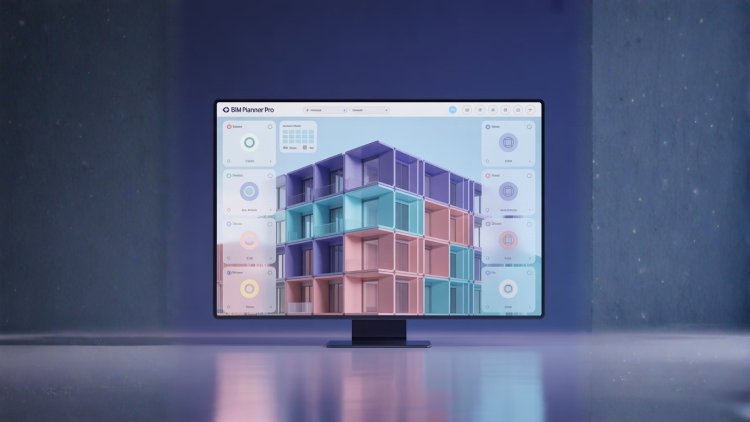
Advanced BIM modeling and clash detection software allow teams to identify and resolve conflicts before manufacturing begins, dramatically reducing field issues and improving installation efficiency.
DIGITAL TRANSFORMATION
Technology Integration & Digital Innovation
The future of modular joist systems is intrinsically linked to digital innovation. Advanced technologies are transforming design, manufacturing, and installation.
BIM-Driven Design
Building Information Modeling enables precise coordination between structural, architectural, and MEP systems, ensuring optimal modular joist integration from concept through completion.
Automated Manufacturing
Robotic fabrication and CNC machining deliver consistent quality and dimensional accuracy while reducing production time and material waste in controlled factory environments.
AR
AR-Assisted Installation
Augmented reality guides field crews through complex assembly sequences, reducing errors and accelerating installation while maintaining strict quality standards.
“Digital integration isn't just about technology—it’s about fundamentally reimagining how we approach construction delivery, from design through occupancy.”
LOOKING AHEAD
The Path Forward
Industry Transformation
Modular joist systems represent more than a construction method—they're driving a shift toward manufacturing-based construction delivery. As labor shortages intensify and project demands grow, these systems provide a scalable solution for America's evolving built environment.
Strategic Implementation
Success depends on early stakeholder engagement, comprehensive digital planning, and collaboration with experienced engineering partners. Upfront planning and coordination deliver faster execution, superior quality, and lower project risk.
01
Evaluate Project Suitability
Assess structural requirements, timeline constraints, and site conditions to determine modular system compatibility.
02
Engage Early Collaboration
Bring manufacturers into the design process during schematic phases for optimal coordination and system integration.
03
Invest in Digital Tools
Leverage BIM and coordination platforms to ensure seamless integration across structural, architectural, and MEP systems.
Building the Future of Construction
The future of U.S. construction is being built today—one modular component at a time. Organizations that embrace this transformation will lead the industry toward greater efficiency, quality, and sustainability while creating lasting competitive advantages.