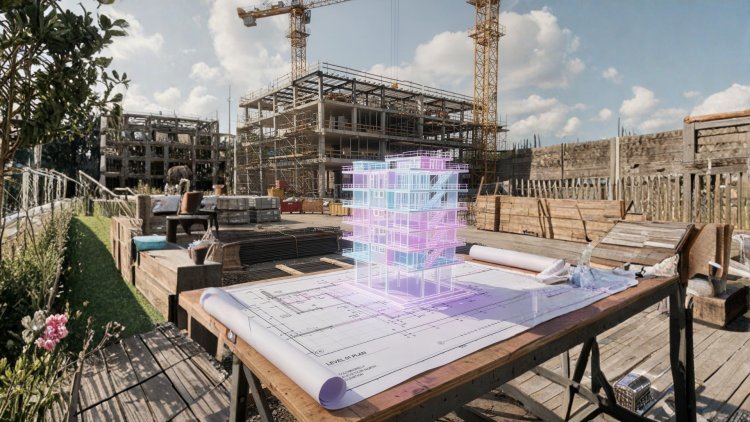
BIM Ownership Insight
What Most Owners Get Wrong About BIM
BIM is often misunderstood as a construction coordination tool — but in reality, it is a lifecycle digital asset that extends far beyond project delivery.
The Core Misconception
BIM is not just for coordination — it is a lifecycle platform for asset management, operations, and long-term facility intelligence.
Hidden Data Layer
BIM contains embedded asset data like materials, warranties, schedules, and maintenance parameters — most of which owners never use.
Lifecycle Value Loss
When BIM is abandoned at handover, owners lose up to 60–70% of its operational value before the building even opens.
Lifecycle Intelligence
The Lifecycle Value Hidden Inside Your BIM Model
BIM is not just a design tool — it is a long-term operational asset that reduces cost, improves performance, and transforms facility management.
Faster Commissioning
BIM enables faster commissioning by providing instant access to system data, equipment specs, and installation sequencing for MEP teams.
Smarter Maintenance Planning
Facility teams can access real-time asset data, maintenance schedules, warranties, and service history directly from the BIM model.
Energy Optimization
Integrated BIM energy analysis helps simulate HVAC, daylighting, and envelope performance to reduce operational energy use.
Renovation Readiness
Accurate as-built BIM models eliminate costly surveys and speed up future renovations, upgrades, and system expansions.
Operations Intelligence
BIM and FM Integration: Where the Real ROI Lives
The highest value of BIM emerges after construction — when it becomes the backbone of facility management, operations, and digital twin systems.
Bridging Construction & Operations
BIM eliminates the handover gap by transferring structured asset data directly into FM systems, removing reliance on static documents.
COBie Data Standards
COBie enables structured transfer of BIM data into FM systems, covering spaces, equipment, and maintenance requirements.
Digital Twin Readiness
A maintained BIM model evolves into a digital twin, integrating IoT, analytics, and energy systems for smarter operations.
Owner BIM Strategy
How Owners Should Be Engaging with BIM — Starting Now
Shifting from passive BIM recipient to active BIM owner unlocks long-term operational value, reduces risk, and improves asset performance.
Define BIM Requirements Early (OPR)
Establish LOD standards, COBie requirements, naming conventions, and FM compatibility before design begins to guide all downstream decisions.
Appoint an Owner’s BIM Manager
Ensure independent oversight of BIM deliverables, BEP compliance, and data integrity throughout design and construction phases.
Plan Model Maintenance Post-Occupancy
Keep BIM models updated after handover to preserve long-term operational value across renovations and system upgrades.
Integrate FM Systems Early
Connect BIM with CMMS or IWMS platforms from day one to eliminate data loss and enable seamless operational transition.
The bottom line: BIM delivers its highest ROI when owners treat it as a strategic asset — not a contractor deliverable. Every level of engagement compounds long-term operational value.