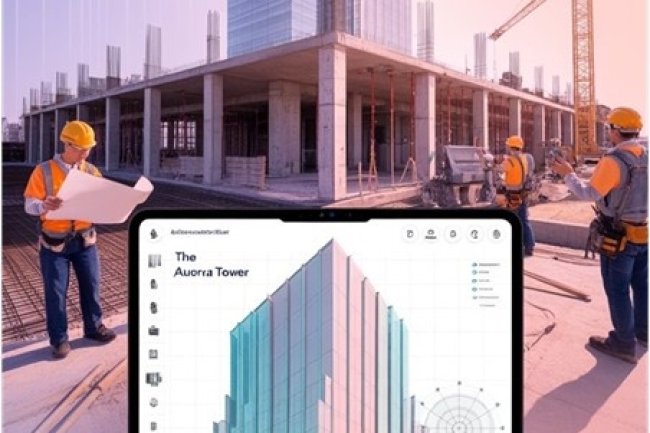
How BIM Is Transforming the Construction Industry
Building Information Modeling is no longer just a buzzword4it's fundamentally reshaping how we design, build, and manage structures. From streamlining collaboration to reducing costly errors, BIM is setting new standards for efficiency and precision across the construction industry.

What Is BIM and Why Does It Matter?
The Foundation
BIM is a digital process that creates intelligent 3D models containing comprehensive data about a building's physical and functional characteristics. Unlike traditional 2D drawings, BIM models are dynamic, information-rich environments that evolve throughout a project's lifecycle.
This approach transforms how teams collaborate, enabling architects, engineers, and contractors to work from a single source of truth rather than juggling multiple document versions.
The Impact
The shift to BIM represents more than adopting new software—it's a fundamental change in project delivery methodology. Studies show that BIM implementation can reduce project costs by up to 20% and accelerate timelines significantly.
For facility managers, the benefits extend beyond construction, providing valuable data for ongoing maintenance and operational decisions throughout the building's entire lifespan.
The Digital Twin Revolution
Digital twins represent BIM's evolution into facility management. A digital twin is a virtual replica of a physical asset that updates in real-time, bridging construction and operations seamlessly.
Design Phase
BIM model captures design intent and specifications.
Construction
Model updated with as-built conditions and changes.
Operations
Digital twin monitors performance and supports maintenance decisions.
This continuity transforms how owners manage buildings, enabling predictive maintenance, energy optimization, and space utilization analysis based on real operational data rather than assumptions.
Emerging BIM Trends Shaping the Future
Cloud-Based Collaboration
Cloud platforms enable real-time collaboration across geographic boundaries, allowing distributed teams to work simultaneously on the same model without version control issues.
AI & Machine Learning Integration
Artificial intelligence is being embedded into BIM workflows to automate repetitive tasks, optimize designs, and predict potential issues before they occur.
Mobile BIM Access
Field teams now access BIM data on tablets and smartphones, bringing model information directly to the construction site for real-time verification and quality control.
Integration with IoT
Internet of Things sensors feed live data into BIM models, creating dynamic digital twins that reflect current conditions and enable data-driven facility management.
Overcoming BIM Implementation Challenges
Common Obstacles
- Initial Investment: Software, hardware & training costs
- Change Management: Resistance to new BIM workflows
- Skill Gaps: Shortage of BIM-proficient staff
- Interoperability: Platforms not communicating smoothly
Practical Solutions
- Phased Adoption: Start with pilot projects for ROI
- Strategic Training: Tailored programs for all skill levels
- Standard Protocols: Clear BIM execution plans & standards
- Expert Partners: Work with experienced BIM consultants
Key Takeaways: Your BIM Action Plan
Assess Your Current State
Evaluate existing workflows and identify areas where BIM can deliver the most immediate value.
Define Clear Objectives
Set measurable goals for BIM adoption aligned with business priorities.
Invest in Training
Equip your team with skills needed to leverage BIM tools effectively.
Start Small, Scale Smart
Begin with manageable pilot projects and expand based on lessons learned.
Embrace Continuous Improvement
Stay informed about emerging technologies and refine processes regularly.
BIM isn't just changing construction — it's revolutionizing how we think about buildings throughout their entire lifecycle. The question is no longer whether to adopt BIM, but how quickly you can integrate it to stay competitive.
What's Your Reaction?