Architectural Visualization with BIM: Enhancing Client Communication
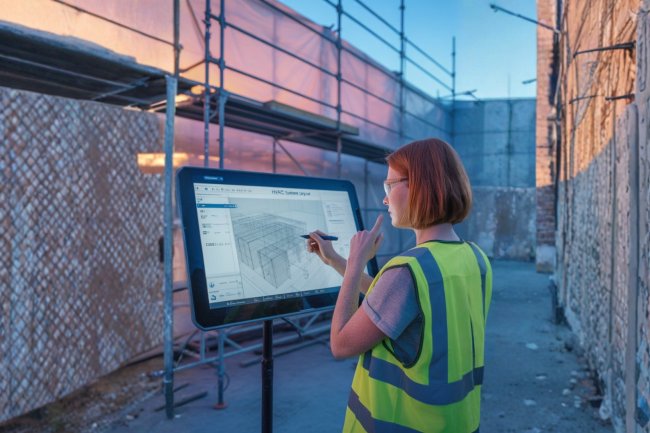
Building Information Modeling has transformed how architects communicate design intent. What was once conveyed through static drawings and physical models now comes alive through dynamic, data-rich visualizations that clients can actually understand and engage with.
Why Traditional Methods Fall Short
|
The Communication Gap This disconnect doesn't just frustrate clients—it impacts project outcomes, timelines, and budgets across the entire development cycle. |
|

How BIM Visualization Changes the Game
Immersive 3D Models
Walk clients through spaces before construction begins. They see room proportions, material textures, and lighting conditions in photorealistic detail.
Real-Time Design Exploration
Adjust finishes, layouts, or structural elements during meetings. Clients witness changes instantly, making decisions with confidence rather than imagination.
Integrated Project Data
Every visual element connects to specifications, costs, and schedules. Clients understand not just what they're getting, but the implications of every choice.
Practical Applications That Drive Results
-
01
Design Development Presentations
Use interactive 3D models to create excitement and early project buy-in.
-
02
Value Engineering Sessions
Visualize cost-saving options in context for smarter decision-making.
-
03
Stakeholder Approvals
Present visual evidence for faster approvals from boards & investors.
-
04
Coordination Reviews
Reveal system conflicts early to avoid costly construction delays.
Implementing BIM Visualization in Your Workflow
Assess Your Current Process
Identify where client confusion typically occurs. Is it during initial presentations, material selections, or spatial layout reviews? Target these pain points first.
Choose the Right Tools
Select BIM software that matches your project types and team capabilities. Look for platforms that offer technical modeling and client-friendly visualization outputs.
Train Your Team
Invest in developing visualization skills across your staff. Even the best BIM models are ineffective if your team cannot present them clearly and confidently.
Refine Your Presentation Strategy
Create templates and workflows for client presentations. Consistency in your visualization approach builds trust, professionalism, and clarity.
Overcoming Common Implementation Challenges
Initial Time Investment
The Reality: Yes, creating detailed BIM models takes longer upfront. But this time pays dividends in reduced revisions, faster approvals, and smoother construction coordination.
The Solution: Start with high-visibility projects where client communication is critical. Build your library of components and templates to accelerate future projects.
Technology Learning Curve
The Reality: BIM software can feel overwhelming, especially for teams accustomed to traditional CAD workflows.
The Solution: Phase your adoption. Begin with visualization features before diving into full coordination and data integration. Partner with specialists when needed.
Client Technology Barriers
The Reality: Some clients lack the devices or technical comfort to interact with advanced visualizations.
The Solution: Provide multiple formats—interactive models, video walkthroughs, and high-quality renderings. Meet clients where they are.
Transform Your Client Communication Today
The Future is Visual
Architectural visualization through BIM isn't just a technical upgrade—it's a fundamental shift in how we communicate design. Projects succeed when everyone understands the vision, from concept through completion.
Start small. Choose one upcoming project to implement enhanced BIM visualization. Document the difference in client engagement, decision speed, and project outcomes. The results will speak for themselves.
The firms winning tomorrow's projects are those who help clients see—truly see—what they're building today.
What's Your Reaction?