Retrofitting Existing Buildings with Light Gauge Steel
Unlocking new potential in renovation and adaptive reuse projects through innovative structural solutions.
The Case for Light Gauge Steel Retrofits
|
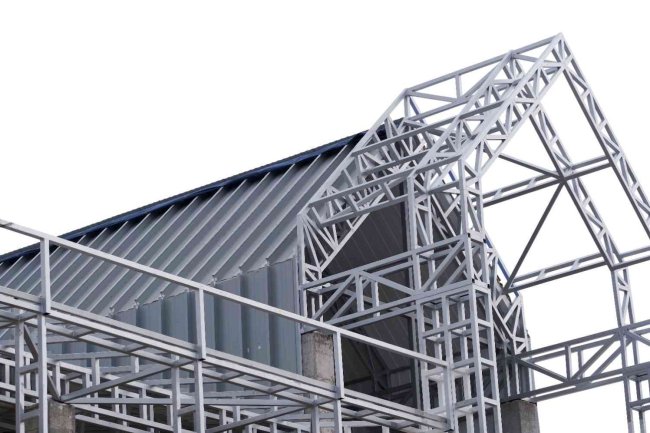
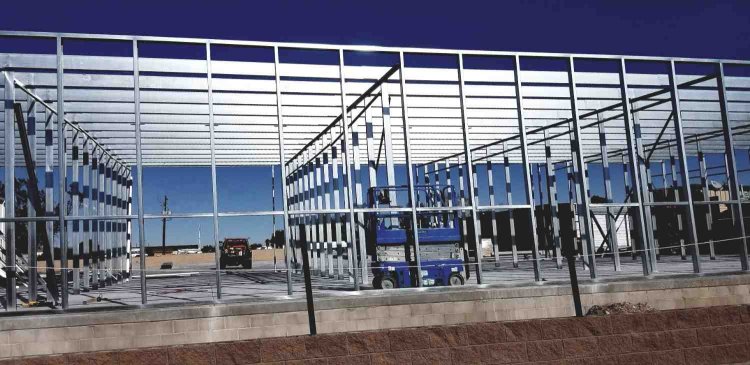
The adaptive reuse market is experiencing unprecedented growth as owners seek to extend building lifecycles while meeting modern performance standards. Light gauge steel (LGS) framing has emerged as a game-changing solution for retrofit projects, offering advantages that traditional materials simply can't match. Unlike heavy structural steel or concrete, LGS provides the strength needed for renovations without adding excessive dead load to existing foundations. This makes it particularly valuable when working with older structures that may have limited load-bearing capacity. |
|

Key Advantages in Renovation Projects
Lightweight Performance
LGS is much lighter than traditional materials while retaining structural integrity, reducing foundation stress, and enabling multi-story additions.
Rapid Installation
Pre-engineered components arrive ready for assembly, reducing on-site construction time and minimizing disruption to occupied buildings.
Dimensional Accuracy
Factory-fabricated steel ensures tight tolerances, precise fits, and minimizes field adjustments common with conventional framing.
Design Flexibility
LGS adapts to complex geometries and MEP integration, making it ideal for converting outdated spaces into modern, functional environments.
Common Retrofit Applications
Vertical Expansions
Add floors to existing structures without overloading foundations.
Interior Reconfigurations
Create new floor plans using non-load-bearing partition walls for functional layouts.
Façade Upgrades
Install modern exterior cladding systems for improved aesthetics and energy performance.
Seismic Retrofits
Strengthen lateral systems to meet current building codes and enhance occupant safety.
Historic Preservation
Insert reversible steel structures that protect original architectural elements while modernizing the building.
BIM & Digital Coordination in LGS Retrofits
Modern retrofit projects require precise coordination between existing conditions and new LGS construction. BIM enables clash detection, accurate modeling, and visualization before components arrive on site.
Existing Conditions
Laser scanning captures as-built geometry with millimeter accuracy for precise planning.
Digital Integration
Point clouds merge with CAD models to detect clashes and conflicts early in design.
Fabrication Models
Shop drawings drive automated manufacturing for zero-tolerance fit, reducing field modifications.
This workflow accelerates schedules and allows teams to visualize how new LGS elements integrate with existing structures, MEP systems, and architectural features before breaking ground.
Cost and Schedule Benefits
30% Faster Installation
Compared to traditional framing methods in renovation environments, prefabricated LGS panels accelerate project schedules significantly.
25% Labor Reduction
Fewer trades are needed on site due to prefabrication efficiencies, reducing labor costs and coordination complexity.
40% Waste Reduction
Precise factory fabrication minimizes material waste. LGS retrofits reduce construction scrap and improve sustainability.
Minimized Business Disruption
Faster, clean, and quiet installation allows occupied buildings to return to use sooner, reducing revenue loss and enabling phased renovations.
Moving Forward with Your Retrofit Project
Key Takeaways for Project Teams
- Engage structural engineers early to assess existing conditions and determine LGS feasibility.
- Leverage BIM coordination to integrate new framing with legacy systems.
- Specify pre-engineered components to maximize speed and accuracy.
- Consider phasing strategies that allow partial occupancy during construction.
- Partner with experienced detailing firms to ensure connection integrity.
Light gauge steel framing opens new possibilities for breathing life into existing buildings. Whether adding floors, reconfiguring interiors, or completely transforming a structure's use, LGS provides the performance, flexibility, and efficiency modern retrofit projects demand. The combination of reduced weight, rapid installation, and digital precision makes it an increasingly popular choice for adaptive reuse across commercial, institutional, and residential applications.
What's Your Reaction?